
Chilean Pharma Vial Filling Machine Line Upgrade Story | MIC
Chilean Pharma Vial Filling Machine Line Upgrade Story
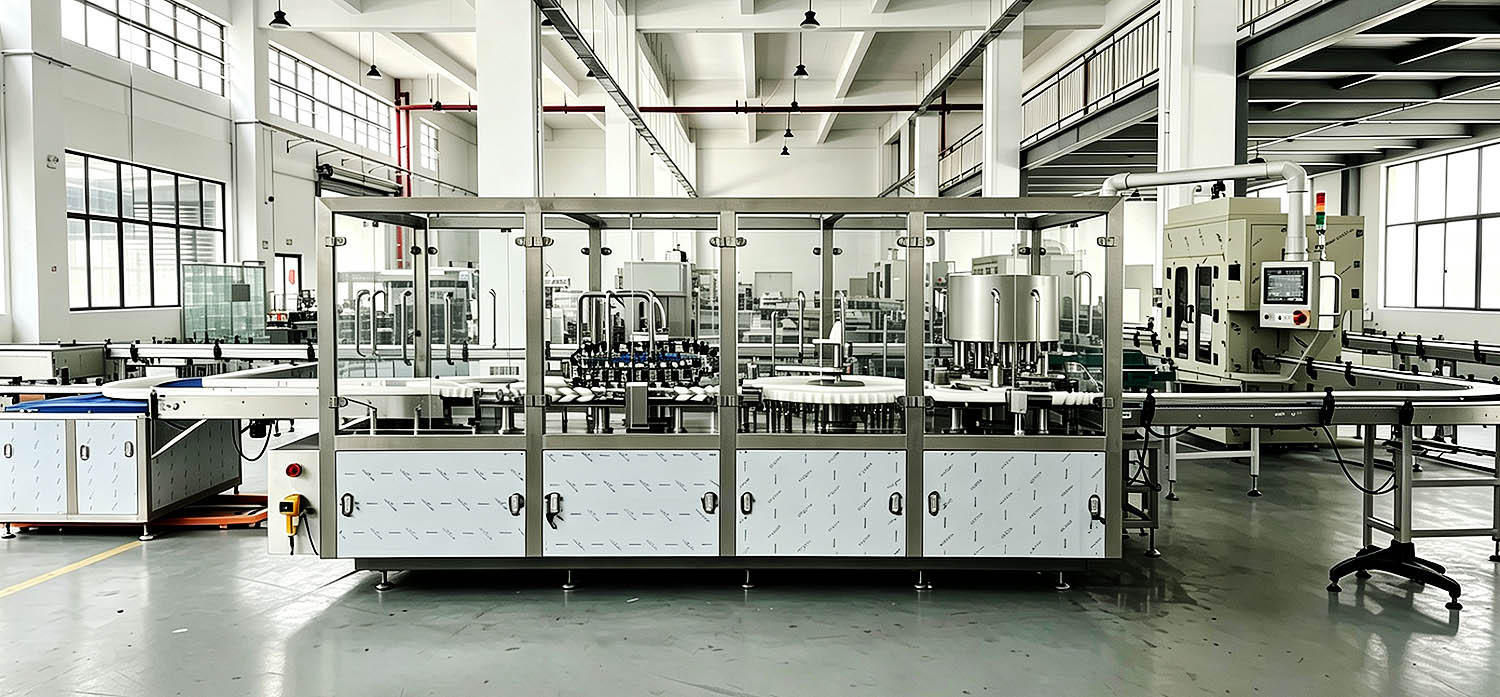
In April 2021, ChangZhou Mic Machinery Technology Co., Ltd. delivered a compact liquid packaging production line to a growing pharmaceutical manufacturer in San Antonio, Chile. This integrated vial filling machine and labeling machine solution modernised a production workshop constrained by ageing manual and semi‑automatic equipment. The total investment was USD 18,800, and sea freight shipped directly from Shanghai to San Antonio. This project sets a solid benchmark for small‑to‑mid‑sized pharmaceutical plants that want fast capacity improvement without huge enterprise‑level capital investment.
Project Basic Information
|
Item |
Details |
|
Client Country |
Chile |
|
Factory Location |
San Antonio, Chile |
|
Industry |
Pharmaceutical / Biotech Packaging |
|
Product Category |
Oral Liquid, Small‑Dose Vial Products |
|
Equipment Supplied |
1 Set of Filling Machine, 1 Set of Labeling Machine |
|
Line Configuration |
Compact Two‑Machine Integrated Production Line |
|
Total Project Value |
$18,800 USD |
|
Shipping Method |
Ocean Freight (Shanghai → San Antonio) |
|
Delivery Year |
2021 |
Customer Demand & Pain Points
Like many pharmaceutical producers still operating legacy equipment, the client faced a series of production bottlenecks that blocked commercial expansion.
Aging Assets Limiting Throughput
The original semi‑automatic filling equipment could not reach the output required under new distribution contracts. The factory needed a dedicated vial filling machine capable of non‑stop multi‑shift operation. It also needed to avoid dosing deviation caused by worn piston assemblies.
High‑Labour‑Cost Manual Labelling
Manual or low‑speed semi‑automatic labelling continuously created backlogs at the packaging station. The client required an automatic labeling machine whose running speed could match filler discharge. This machine also needed to deliver retail‑ready finished products.
Tight Capital‑Expenditure Budget
As a growing enterprise, the plant could not afford hundreds‑of‑thousand‑dollar turnkey clean‑room lines. Its priority was a cost‑effective solution that complied with GMP standards. The solution also needed fast commissioning and a budget below $20,000 USD.
Regulatory‑Compliance Requirements
The client planned to enter strictly‑regulated domestic and overseas markets. So the factory needed machines constructed of 304 / 316L stainless steel. The machines also needed sanitary product‑contact parts and traceable calibration functions. These features prepared the factory for future audit inspections.
Our Custom Solution
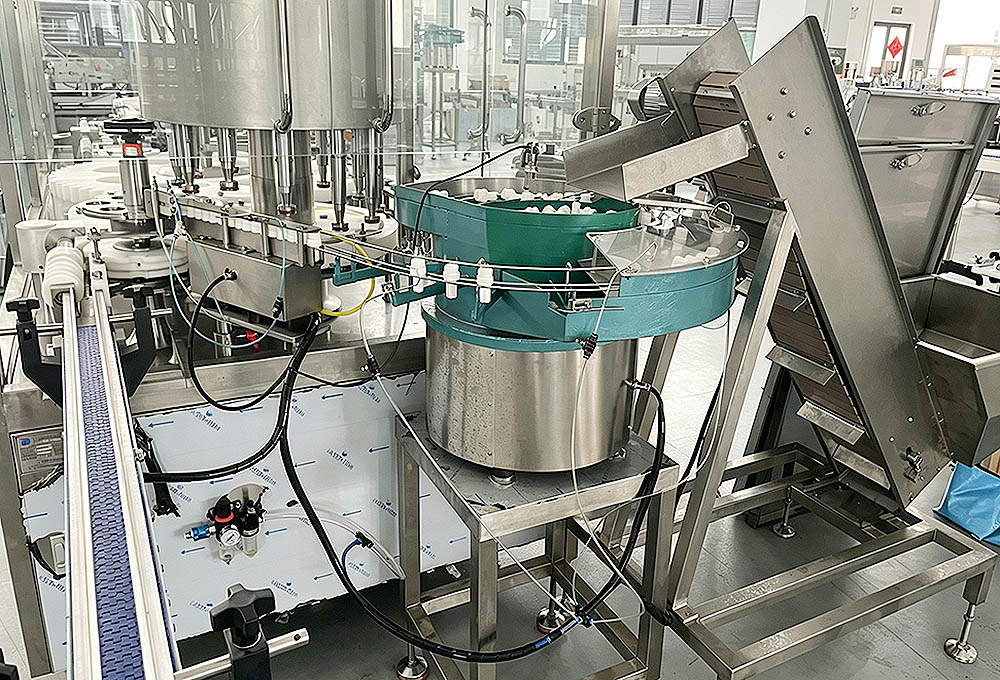
Powerrig combined the client’s container specifications and liquid viscosity. Then we offered a highly‑integrated two‑unit solution.
High‑Precision Vial Filling Machine
This filler adopted a servo‑dosing system with peristaltic or piston pump technology. It delivered pharmaceutical‑grade filling accuracy. The machine was configured for the client’s existing vials and small bottles. It was fitted with quick‑release tooling for fast product‑format changeover. The PLC control system supports recipe storage. So operators can call product parameters without resetting long setup data. The machine is optimised for oral‑liquid batches. But it shares the core technical platform of our standard vial filling machine series. It can be upgraded for sterile‑vial filling applications later.
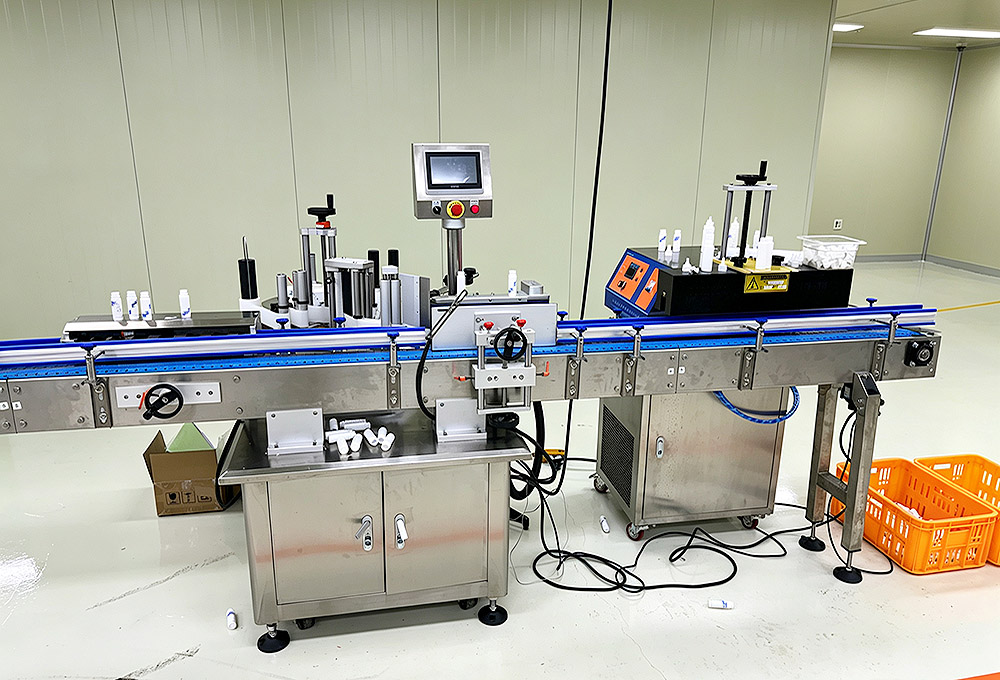
Automatic Wrap‑Around Labeling Machine
The matching labeling machine includes an automatic bottle‑separation mechanism. It also includes a synchronous conveyor interface and a high‑precision labelling head. It applies self‑adhesive labels stably with consistent wrap alignment. The machine is mechanically and electrically connected to the filler outlet. This connection eliminates production gaps between filling and packaging stations.
Integrated Line Deployment
Powerrig did not deliver two standalone machines. Instead, we unified conveyor height, control voltage and pneumatic parameters for both units. This all‑in‑one design supplied the customer with a complete mini production line. It removed extra costs for third‑party interconnection and commissioning.
On‑site Installation and Commissioning
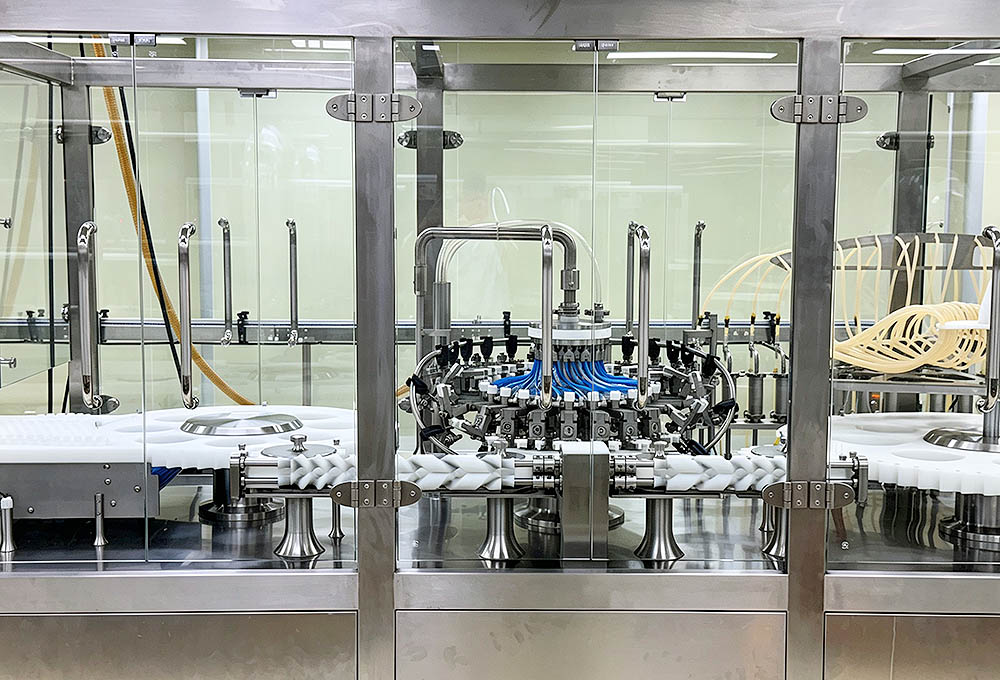
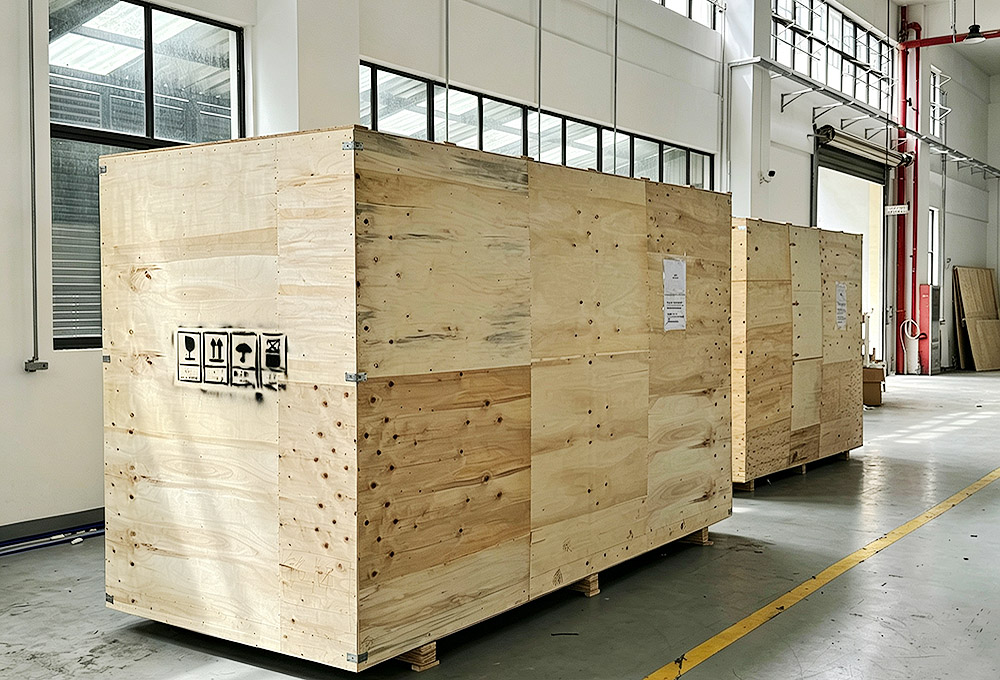
After ocean‑freight arrival in San Antonio, the equipment was unpacked and placed inside the client’s existing workshop. Installation and commissioning were completed in phases.
Mechanical Setup and Levelling
The filling machine and labeling machine were uncrated, levelled and anchored. Conveyor rails were adjusted according to container dimensions. The labelling head was calibrated to match label width and pitch.
Utility Connection
Power supply, compressed‑air pipelines and control cables were laid following the factory’s standards. Identical control logic on both machines simplified electrical commissioning.
Water Trial Run and Calibration
Water‑based test runs verified filling accuracy, conveyor synchronisation and label placement. Pump calibration was finished across the target filling‑volume range. Labelling‑machine sensors were tuned to fit the customer’s label material.
Operator Training and Handover
Production staff received practical training. This training covered HMI operation, recipe switching, daily‑cleaning procedures and routine maintenance check‑points. Operation manuals and spare‑parts lists were formally handed over to the factory’s engineering team.
Final Project Acceptance
Continuous test‑production runs confirmed stable machine performance. The whole line was formally accepted and released for mass production.
Production Effect
Note: Exact on‑site production data is confidential to the client. The table below lists reference performance improvements commonly achieved by similar compact filling‑labelling integrated lines installed at small‑to‑mid pharmaceutical packaging plants.
|
Performance Metric |
Legacy Manual / Semi‑Auto Line |
Modern Integrated Line (Typical Benchmark) |
Improvement |
|
Production Speed |
600‑1,000 vials/hour |
2,500‑3,500 vials/hour |
+200‑250% |
|
Fill Accuracy |
±2.0‑3.0% |
±0.5‑1.0% |
60‑75% improvement in precision |
|
Label Placement |
Manual, inconsistent position |
Automatic, ±1‑mm deviation |
Highly uniform labelling |
|
Operators per Shift |
3‑4 workers |
1‑2 workers |
50‑75% labour reduction |
|
Filling Rejection Rate |
3‑5% |
<1.0% |
70‑80% reduction of defective products |
|
Format Change‑over Time |
45‑60 minutes |
15‑25 minutes |
60% faster changeover |
These industry benchmarks indicate that factories of this scale usually achieve payback within months, rather than years. This happens after upgrading from manual workflows to an integrated vial filling machine and labeling‑machine line.
Customer Feedback
After successful commissioning, the client confirmed that the equipment met all production targets defined in the planning phase. Key feedback points are shown below.
Operational Stability
The vial filling machine maintained consistent dosing accuracy over multiple batches. This reduced production rework and quality‑hold incidents.
Improved Labour Efficiency
The automatic labeling machine ran in perfect sync with filler output. This removed the packaging‑station bottleneck. Workers previously assigned to manual labelling could be reassigned to higher‑value tasks.
Convenient Equipment Integration
The factory’s engineering team reported that unified mechanical and electrical design greatly cut third‑party technical‑support costs during installation.
Regulatory‑Compliance Support
Sanitary stainless‑steel construction helped the customer prepare internal audits. It also laid a solid foundation for future formal cGMP compliance.
Request a Quotation for a Similar‑Scale Production Line
Powerrig’s liquid filling and packaging solutions can expand alongside your business. You might produce oral liquids now. Or you might plan to manufacture sterile vials in the future. Our vial filling‑machine portfolio provides tiered‑capacity solutions with streamlined configurations.
Entry‑Level Vial Filling Machine
‑ Output: 1,000‑2,000 vials per hour
‑ Ideal for: R&D laboratories, pilot‑scale production, start‑up pharmaceutical manufacturers
‑ Configuration: Benchtop or compact floor‑standing unit
Mid‑Scale Vial Filling Machine
‑ Output: 3,000‑6,000 vials per hour
‑ Ideal for: Regional manufacturers, CDMOs, contract packagers
‑ Features: Servo‑driven pumps, automatic stopper placement, PLC recipe‑control system
High‑Speed Vial Filling Machine
‑ Output: 8,000‑15,000+ vials per hour
‑ Ideal for: Large‑scale commercial pharmaceutical production
‑ Expandable Modules: Capping, inspection, labeling and cartoning units
Why Pharmaceutical Manufacturers Choose Powerrig
‑ Modular Architecture: Start with filling and labelling units. Then add capping or cartoning modules later without replacing core equipment.
‑ Precision Dosing: Servo‑controlled systems deliver the high‑filling accuracy required for high‑value pharmaceutical liquids.
‑ Synchronised Turnkey Lines: Machines are engineered to operate as one coordinated
production system instead of isolated standalone units.
‑ Global‑After‑Sales Support: Remote fault diagnostics, multilingual documentation and on‑site commissioning assistance for America, Europe and Asia.
‑ Compliance‑Ready Build: 316L stainless‑steel wetted parts, FDA‑approved elastomers, and optional IQ/OQ validation documentation packages.
This Chilean case demonstrates that an investment below $20,000 USD in an integrated vial filling machine and labeling‑machine production line can fundamentally lift throughput for growing pharmaceutical facilities. The customer acquired modern‑day production capacity supported by precision filling performance, seamless line integration and sanitary‑compliant construction. The customer also got well‑prepared for the next phase of commercial expansion.
FAQ
1: What is the difference between a vial filling machine and an ordinary bottle filler?
A vial filling machine is designed for small‑volume containers from 1 ml to 50 ml. It is equipped with peristaltic or high‑precision piston pumps. It also has barrier‑protection considerations and compatibility with rubber‑stopper and crimp‑seal closures. Conventional bottle fillers are built for larger‑volume products. They normally use gravity‑feed or overflow filling principles.
2: Can I buy the filling machine and labeling machine as a complete matched line?
Yes. Powerrig designs both machines with unified conveyor heights, control logic and production‑speed synchronisation. You can place one combined order for the full line. Or you can purchase the two units separately at different stages as your production requirements grow.
3: What are the typical production lead‑time and sea‑shipping arrangements for South America?
Standard‑configuration equipment requires a 25‑35‑day manufacturing cycle. Then goods are shipped from Shanghai to major ports such as San Antonio, Valparaíso or Buenos Aires. Door‑to‑door logistics services are available upon request.
4: What container sizes can this set of equipment handle?
By swapping filling nozzles and conveyor guides, the filling machine works with vials, oral‑liquid bottles and small jars ranging from 5 ml to 500 ml. The labeling machine can perform wrap‑around, front‑and‑back or top labelling depending on label material and container shape.
5: Can you provide validation documents for pharmaceutical regulatory inspections?
Yes. We supply complete IQ/OQ protocols, material certificates, calibration reports and maintenance manuals. These documents help your team complete internal validation and prepare for regulatory audits.
6: What after‑sales support can I receive once the equipment is delivered?
Powerrig provides remote technical support via video call and email. We also offer a structured spare‑parts supply scheme. Critical wearing components are stocked in regional warehouses to minimise unexpected production downtime.