
Complete Guide to Semi vs Automatic Vial Filling Machine Differences
Complete Guide to Semi vs Automatic Vial Filling Machine Differences
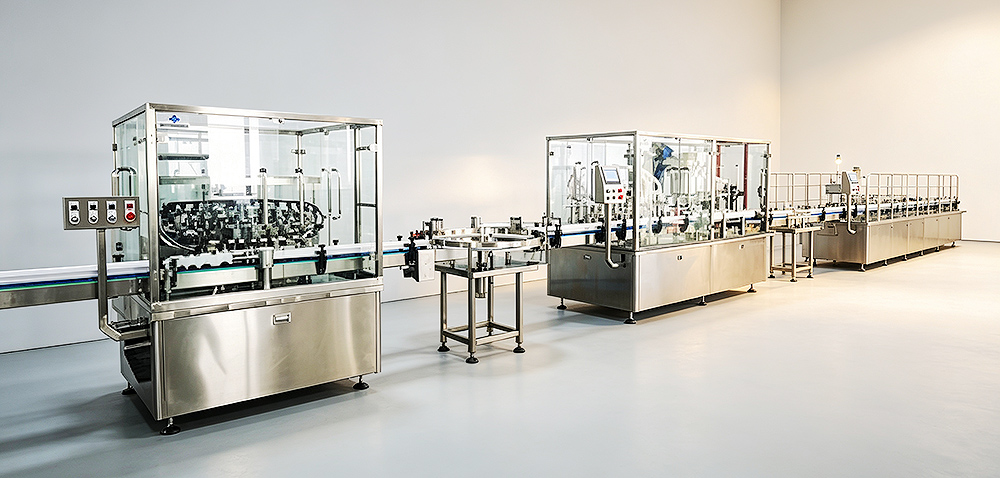
If you work in pharmaceutical manufacturing, cosmetics production, or any industry that handles small-bottle liquid packaging, you have probably faced this big decision. You should go with a semi-automatic or fully automatic vial filling machine. Picking the right equipment directly impacts your production efficiency, product quality, and bottom line. In this guide, we break down every key difference between these two common machine types. We cover how they work and how much they cost to run. By the end, you will have a clear picture of which option fits your operation best.
What Are Semi-Automatic and Automatic Vial Filling Machines?
Semi-Automatic Vial Filling Machines
A semi-automatic system handles the actual filling process automatically. It relies on human operators to load empty vials onto the filling station and remove them once filled. It is a middle-ground solution that brings basic filling automation while keeping upfront costs low. Most models feature a foot pedal or start button to trigger each fill cycle. This makes them simple to operate for small teams.
Automatic Vial Filling Machines
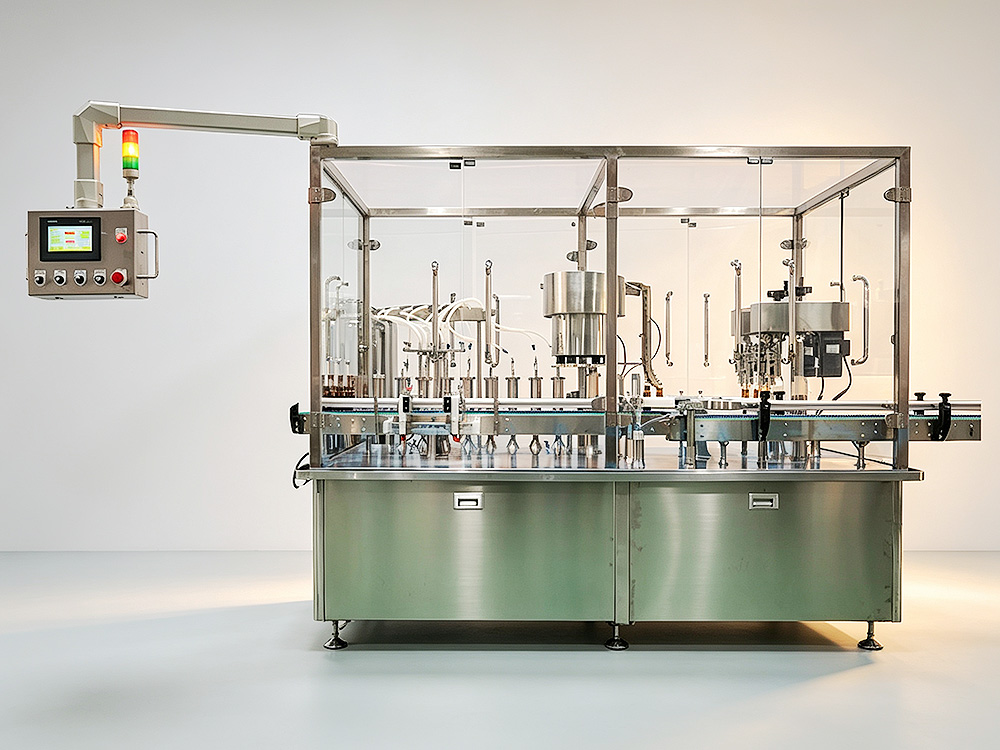
An automatic system handles the entire production flow with minimal human input. It includes built-in bottle unscramblers, conveyor systems, filling nozzles, and sometimes capping or labeling stations all in one integrated line. A PLC system controls it. It runs continuously once set up and moves vials through each stage without manual handoffs between workstations.
Core Operational Differences
At their core, the biggest gap between these two machine types lies in how connected each production step is. Semi-automatic models work as single standalone stations. People move products in and out. Fully automatic models link every stage into one seamless workflow. The machine handles the full journey of each container from start to finish.
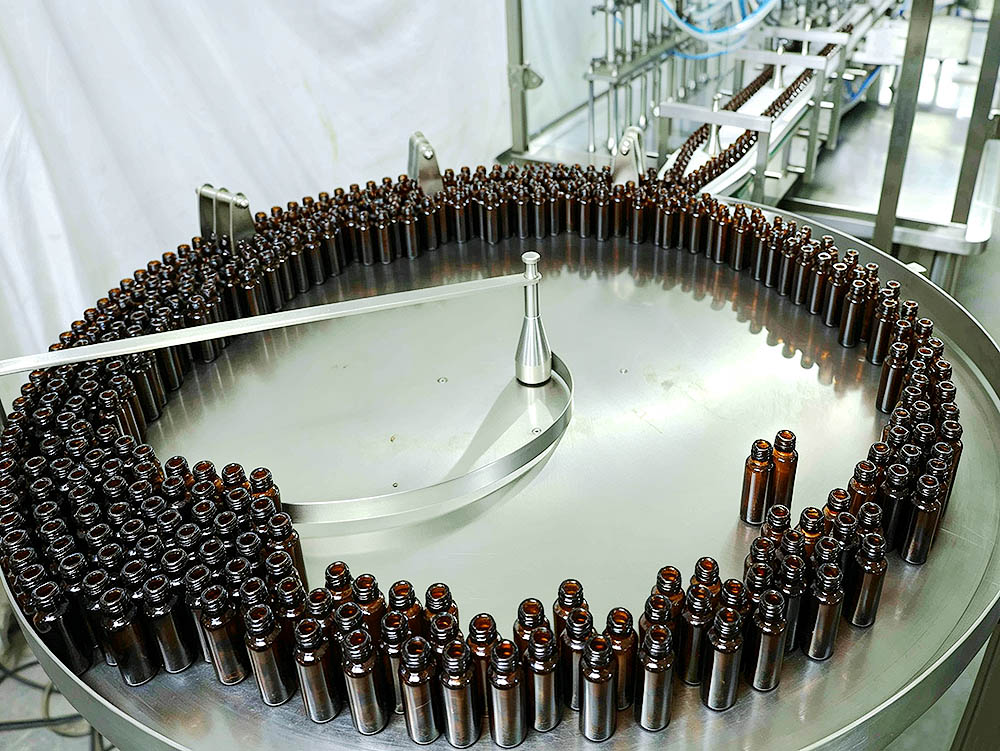 |
1. Level of human intervention: Semi-automatic machines require an operator present for every cycle to load and unload containers. Automatic models can run for hours without direct hands-on input. 2. Process integration: Semi-automatic units only handle the filling step itself. Automatic systems often combine filling, stoppering, and capping in one line. 3. Changeover process: Switching between vial sizes takes longer on automatic lines due to more parts to adjust. Semi-automatic models have simpler changeovers. 4. Start-stop workflow: Semi-automatic machines run one cycle at a time on demand. Automatic machines run continuously at a set speed until paused. 5. Error response: On semi-automatic models, operators catch and fix issues in real time. Automatic systems use sensors to detect errors and pause automatically. These operational differences create ripple effects across your entire production floor. Semi-automatic setups offer more manual control for tricky products. Automatic systems deliver consistent, repeatable performance once dialed in. Your production volume and product variety will determine which tradeoff makes more sense for your day-to-day work. |
Production Capacity Differences
When it comes to how many units you can fill per shift, there is a clear gap between the two options. Capacity is usually the first number business owners look at. It is often the deciding factor for growing companies. Semi-automatic machines work at a steady but limited pace. Automatic lines are built for high-volume output that manual labor simply cannot match.
1. Semi-automatic output range: Most entry-level models handle 20 to 60 vials per minute, depending on fill volume and operator speed.
2. Automatic output range: Standard automatic lines start at 80 vials per minute and can go up to 300+ for high-speed industrial models.
3. Continuous run time: Semi-automatic machines are limited by operator stamina and break schedules. Automatic lines can run entire shifts with only short checks.
4. Batch changeover downtime: Semi-automatic setups switch between batches in 15–30 minutes. Automatic lines may take 1–2 hours for full changeover and calibration.
5. Peak output stability: Semi-automatic speed drops as operators tire. Automatic machines maintain consistent speed from start to finish of a shift.
6. Unattended overnight production: Semi-automatic machines cannot run without staff present. Automatic lines can run overnight with basic monitoring.
For small-batch producers, the lower capacity of semi-automatic equipment is rarely a problem. For factories running multiple shifts and fulfilling large orders, the higher throughput of an automatic vial filling machine quickly pays for itself through higher daily output and faster order turnaround.
Filling Accuracy Differences
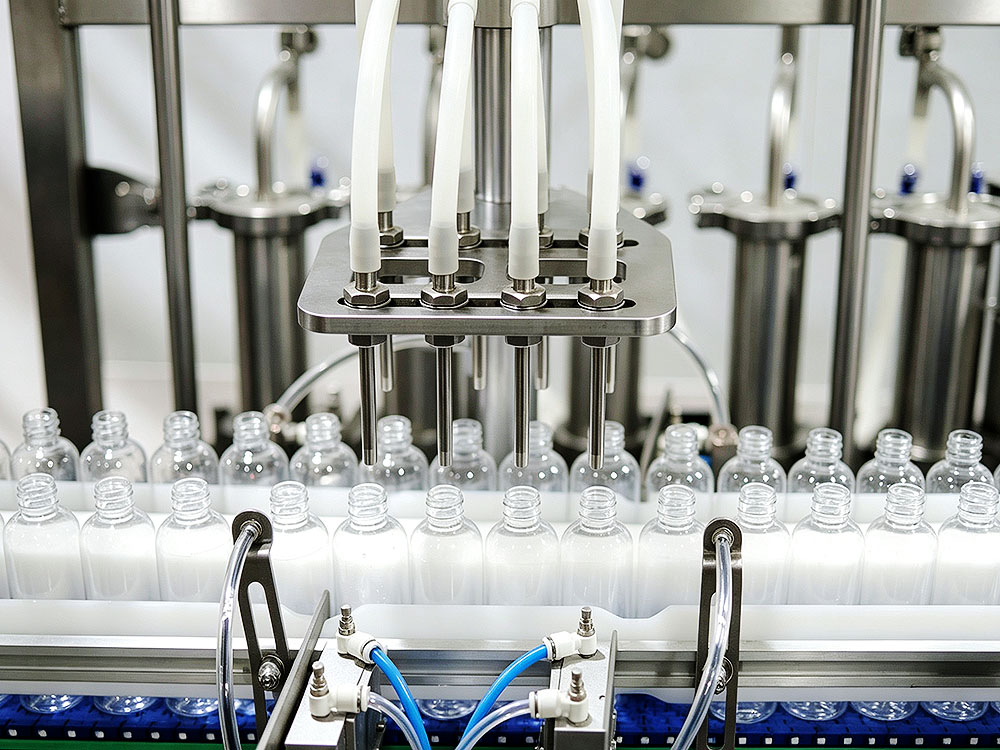
Filling accuracy matters for two big reasons. It keeps you compliant with regulatory standards. It also cuts down on wasted expensive product. Both machine types can deliver good accuracy when set up correctly. They achieve that precision through different mechanisms and maintain it differently over long production runs.
| 1. Metering control method: Semi-automatic machines commonly use piston or peristaltic pumps adjusted manually. Automatic systems use servo-driven pumps with digital precision control. 2. Typical error margin: Well-calibrated semi-automatic machines achieve ±0.5–1% accuracy. High-end automatic models reach ±0.25–0.5% accuracy per fill. 3. Long-run precision drift: Semi-automatic accuracy can shift slightly as operators fatigue or settings slip. Automatic systems maintain consistent accuracy across thousands of units. 4. Viscosity handling accuracy: Both handle thin liquids well. Automatic systems maintain better accuracy with thick or foamy products across long runs. 5. Calibration requirements: Semi-automatic machines need manual calibration checks every few hours. Automatic systems include self-checking and auto-adjustment features. For products with very high material costs or strict regulatory fill requirements, the tighter accuracy of an automatic system can save significant money over time. For smaller operations with lower-value products, the accuracy of a good semi-automatic vial filling machine is usually more than enough to meet standards. |
 |
Operation Difficulty and Labor Requirements
Labor costs make up a huge part of any production budget. It is important to understand how many people you will need to run each type of equipment. Semi-automatic machines are simpler to learn but require constant staffing. Automatic machines have a steeper learning curve but free up your team for other tasks.
1. Staff per shift: A semi-automatic machine typically needs one dedicated operator per unit at all times. One technician can monitor multiple automatic lines at once.
2. Skill barrier: Semi-automatic equipment can be learned in a few hours by almost any worker. Automatic systems require trained technicians for setup and troubleshooting.
3. Training period: New operators master semi-automatic use in under a day. Full training for automatic line technicians takes one to two weeks.
4. Physical workload: Running semi-automatic machines involves repetitive lifting and loading, which is physically tiring. Automatic line operation is mostly monitoring and light adjustments.
5. Impact of staff absence: If an operator calls out, semi-automatic production stops or slows. Automatic lines keep running with minimal backup staffing.
Over the course of a year, the labor savings from an automatic line can be substantial, especially in regions with high wage costs. For smaller shops with limited staff and low production targets, however, the simpler semi-automatic approach keeps staffing straightforward and training costs low.
Procurement and Upfront Costs
Budget is almost always a top consideration when buying production equipment. The price gap between semi-automatic and automatic systems is substantial. Beyond the base machine price, you also need to account for installation, facility upgrades, and supporting accessories to get a full picture of total upfront investment.
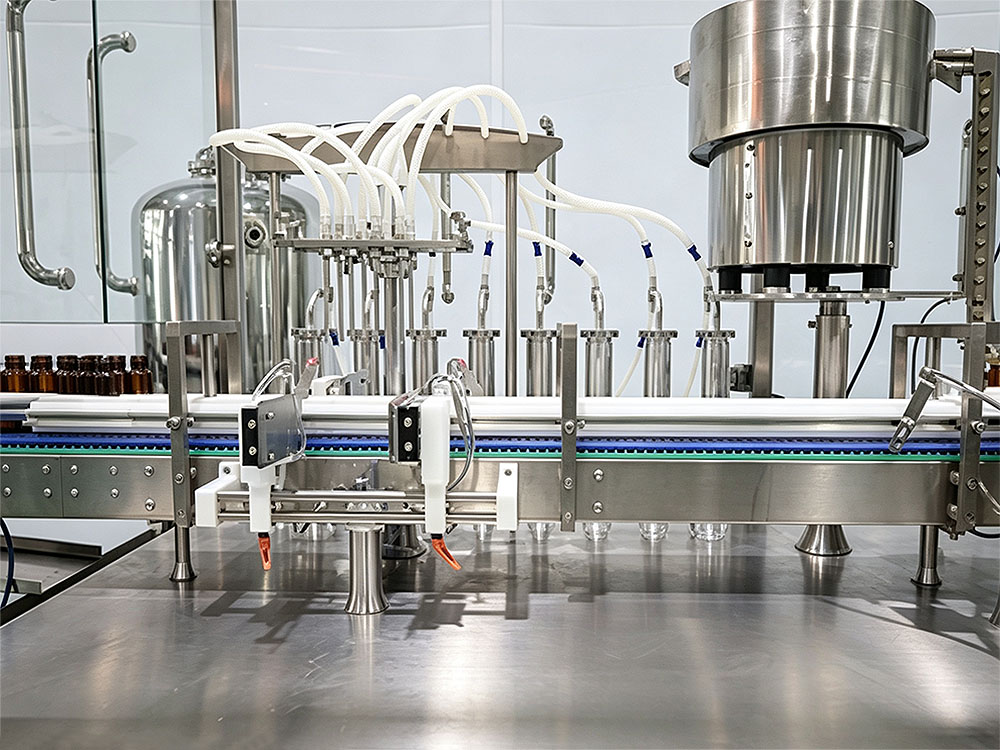 |
1. Base machine price range: Entry-level desktop semi-automatic models cost roughly 3,000, while industrial-grade multi-nozzle semi-automatic units run 12,000. Basic automatic monoblock machines start at 50,000, and GMP-compliant high-speed aseptic lines can range from 250,000+. 2. Core component costs: Automatic systems use servo motors, advanced sensors, and PLC controllers that add significantly to the price tag compared to the simpler mechanical parts in semi-automatic units. 3. Customization expense: Semi-automatic machines have limited but low-cost customization. Custom automatic lines carry high engineering and fabrication costs for tailored configurations. 4. Facility requirements: Semi-automatic units plug into standard power and need minimal bench space. Automatic lines need more floor space, compressed air hookups, and sometimes utility upgrades. |
5. Installation and commissioning: Semi-automatic machines arrive ready to use with basic setup. Automatic lines require professional installation, calibration, and on-site testing before full production.
For new businesses or those testing a product line, the low entry cost of a semi-automatic setup reduces financial risk. For established companies with steady order volume, the higher upfront cost of an automatic vial filling machine delivers a clear return on investment through higher output and lower labor expenses over time.
Maintenance and Long-Term Upkeep
How easy and expensive a machine is to maintain has a huge impact on your total cost of ownership. A cheap machine that breaks down constantly can end up costing more in downtime than a pricier, more reliable model. Understanding the maintenance needs of each type helps you plan for long-term operational costs.
1. Daily maintenance time: Semi-automatic machines take 10–15 minutes to clean and inspect at the end of each shift. Automatic lines take 30–60 minutes for full line cleaning and inspection.
2. Wear part replacement: Semi-automatic models have fewer moving parts, so wear parts need replacement less often and at lower per-part cost.
3. Troubleshooting difficulty: Most semi-automatic issues can be fixed on the spot by the operator. Automatic system faults often require a trained technician to diagnose and resolve.
4. Service technician needs: Semi-automatic machines rarely need professional service calls. Automatic systems benefit from regular professional maintenance contracts to keep performance stable.
5. Annual maintenance cost: Semi-automatic annual upkeep is usually 2–3% of the purchase price. Automatic systems run 5–8% annually for parts, service, and calibration.
Simpler machines are almost always cheaper to keep running. This is a big plus for small operations without a dedicated maintenance team. That said, well-built automatic systems are designed for industrial durability and often have longer overall service lives when properly cared for.
Ideal Use Cases and Which One to Choose
There is no universal “better” option between these two machines. The right choice depends entirely on your specific business situation, production goals, and growth plans. A machine that is overkill for one operation might be exactly what another company needs to scale to the next level. Matching your equipment to your current and near-future needs is the smartest way to invest.
| 1. Small-batch, multi-product lines: Semi-automatic machines shine when you produce many different SKUs in small quantities, thanks to fast, simple changeovers. 2. High-volume standard production: Automatic lines are the clear choice for large brands making the same product in high volume day after day. 3. Startups and R&D labs: Semi-automatic units are perfect for new brands and lab settings where production runs are small and flexibility matters most. 4. Pilot-scale production: For medium-volume production that is still growing, a semi-automatic setup bridges the gap between lab scale and full factory output. 5. Strict aseptic production: High-end automatic systems are preferred for sterile pharmaceutical environments where manual contact raises contamination risks. At the end of the day, you want a machine that matches your current needs while leaving room to grow. Many successful companies start with semi-automatic equipment and upgrade to automatic lines once order volume justifies the investment. This phased approach lets you grow without overspending early on. |
 |
Choosing between semi-automatic and automatic filling equipment comes down to balancing your current production needs, budget constraints, and future growth plans. Semi-automatic machines offer affordability, simplicity, and flexibility for small batches and growing brands. Automatic systems deliver speed, consistency, and labor savings for high-volume operations with steady demand.
Before making a purchase, calculate your current daily output needs. Estimate how much you expect to grow in the next 3–5 years. Factor in labor and maintenance costs — not just the sticker price. Taking the full picture into account will help you pick a vial filling machine that serves your business well for years to come.
FAQ
1. Can I upgrade a semi-automatic machine to fully automatic later?
Most semi-automatic machines cannot be fully converted to automatic, but some can be paired with basic conveyors or feeders to reduce manual work. For full automation, you will typically need to invest in a dedicated automatic line.
2. How much space do I need for each type of machine?
A basic semi-automatic filling unit fits on a workbench and needs only a few square feet of space. A full automatic filling line requires 10–30 feet of linear floor space, plus room for operators and material storage around the line.
3. Do both types of equipment work with viscous liquids like serums or gels?
Yes, both can handle thick liquids when equipped with the right pump type. Piston pumps work well for viscous products on both semi-automatic and automatic systems. Automatic models generally handle thick products more consistently at high speed.
4. How long does it take to get a return on investment for an automatic line?
ROI timelines vary widely based on production volume and labor costs, but most mid-sized factories see a return on their automatic filling investment within 1–3 years through labor savings and increased output.
5. Are semi-automatic vial filling machines compliant with pharmaceutical regulations?
Well-maintained semi-automatic equipment can meet regulatory standards when operated correctly, but automatic systems offer better documentation, repeatability, and contamination control — making them the standard for large-scale pharmaceutical production.