
Core Purchasing Guide for Pharmaceutical Ampoule Filling Machines
Core Purchasing Guide for Pharmaceutical Ampoule Filling Machines
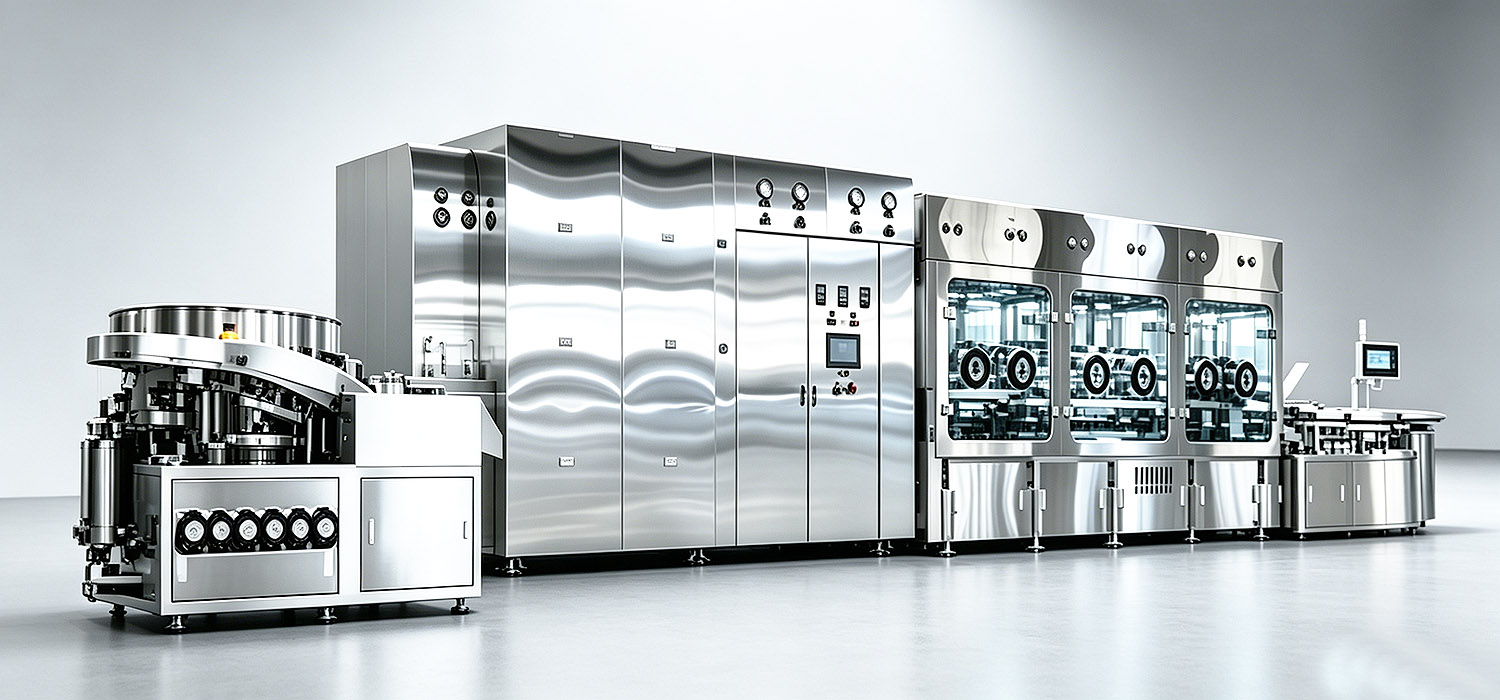
Buying an ampoule filling machine for pharmaceutical production is a major business decision. You need reliable and high-efficiency equipment that fits your budget, but the wide variety of models on the market can easily leave you confused. Do not worry because I have sorted out all core purchasing tips into simple and actionable steps. Let us walk through them together so that you can make a well-informed procurement decision and avoid unnecessary troubles.
Classify Different Types of Ampoule Filling Machines
First, you must understand that ampoule filling machines have different structural designs based on operating modes and usage scenarios. Knowing each model’s features helps you quickly filter equipment that works with your production line. Below are the most common types available:
- Rotary Ampoule Filling Machine: This type is ideal for high-speed continuous mass production because it uses turntable rotation to complete filling, which drastically boosts efficiency.
- Inline Linear Filling Machine: This machine offers moderate filling speed with a compact footprint and easy maintenance, so it suits small and medium-batch manufacturing.
- Peristaltic Pump Filling Machine: Designed for sensitive pharmaceutical liquids, this machine lets the liquid touch only the tubing, which completely removes cross-contamination risks.
- Piston Filling Machine: This model provides ultra-precise volume dosing for highly viscous liquids such as syrups and oils.
- Vacuum Filling Machine: This machine achieves extreme filling volume accuracy and is mainly used for high-value or high-potency pharmaceutical formulations.
Clarify Your Actual Production Capacity Requirements
|
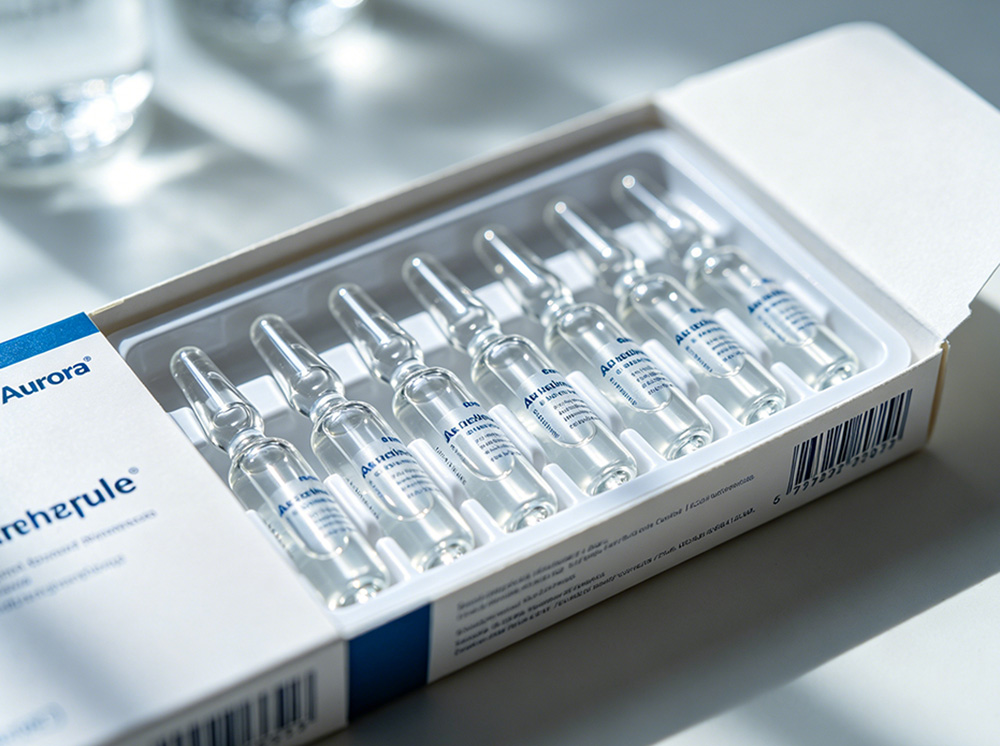
Before you compare quotations, you must define your hourly and per-shift ampoule output targets because production capacity directly decides which model of ampoule filling machine will work for you. If you underestimate capacity, you create production bottlenecks, but if you overestimate, you waste money on unused throughput. Focus on these factors during selection:
|
 |
Daily Production Shift Duration: Equipment speed requirements are very different between a single 8-hour shift and round-the-clock three-shift operation.
Calculate Total Investment and Return on Investment (ROI)
Let us talk about budgeting. Buying an ampoule filling machine is a large fixed-asset investment, so do not judge only by the listed price. You must calculate the total cost of ownership and the payback period. Low-cost equipment often leads to higher overall expenses in the long run because it breaks down often and causes production downtime losses. Include all these dimensions in your cost calculation:
- Base Machine Purchase Price: Ask for quotations from at least three suppliers, and remember that the lowest price does not always mean the best value.
- Installation and Operator Training Fees: Confirm upfront whether these services are included in the quotation or charged separately by the manufacturer.
- Routine Maintenance and Spare Parts Expenses: How often do wear parts need replacement? Are spare parts easy to get at reasonable prices?
- Energy Consumption Savings: Energy-efficient models cut electricity costs every day, so verify the equipment’s rated power and compressed air use.
- ROI Payback Period: Divide the total equipment investment by monthly savings (from less labor, less raw material waste, and more output). Choose solutions with a payback cycle under 24 months.
Select Filling Equipment Matched to Your Own Products
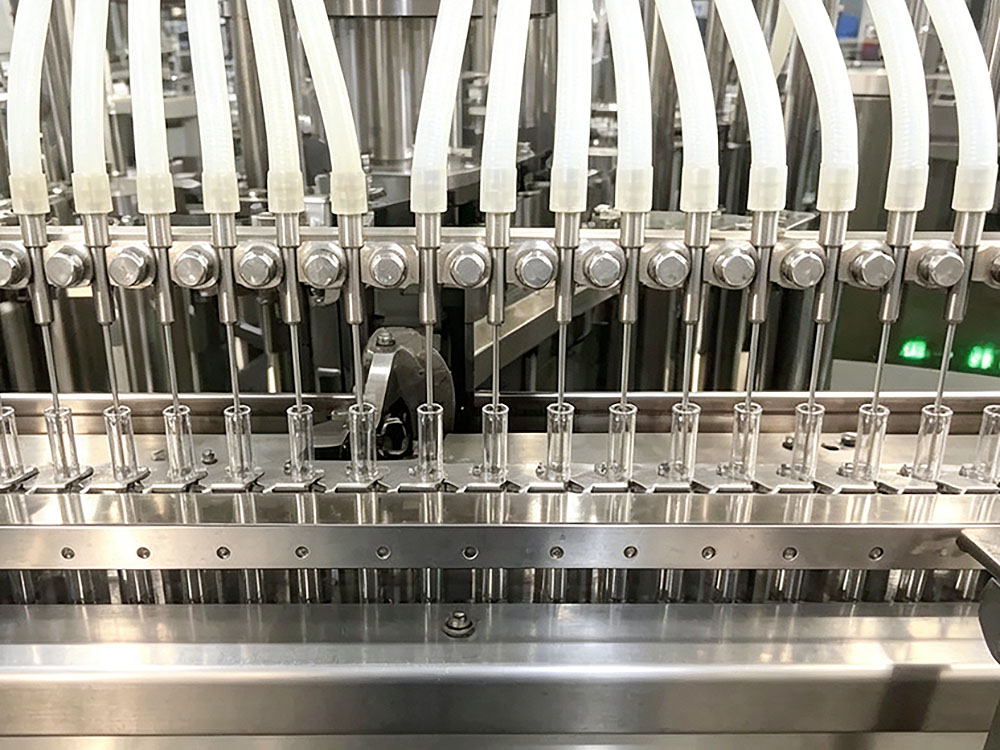 |
The physical and chemical properties of your liquid pharmaceuticals are the most important thing. An ampoule filling machine for foaming liquids is completely different from one made for viscous oils. Also, some drugs are light-sensitive or easily oxidized. If the equipment does not match, you will get product quality defects and waste raw materials. Follow these selection guidelines:
|
- Ampoule Dimensions and Shapes: Confirm that the supplier provides dedicated change parts for narrow-neck or special-shaped ampoules.
Evaluate Machine Materials and Cleaning Convenience
The pharmaceutical industry enforces strict hygiene standards, so your ampoule filling machine must be easy to clean and resistant to corrosion from all types of disinfectants. 316L stainless steel is the industry gold standard. You also need to calculate the time for full machine disassembly, cleaning, and reassembly between batches because overly complex structures will waste too many workshop labor hours. Key verification points:
- Wetted Part Materials: All liquid-contacting parts must be FDA-certified with anti-rust and anti-corrosion performance.
- CIP/SIP Compatibility (Clean-in-Place / Sterilize-in-Place): The machine allows automatic cleaning and sterilization without full manual disassembly.
- Dead Space Minimization: Fewer dead corners reduce risks of liquid residue and bacterial growth, so prioritize zero-dead-space designs.
- Tool-Free Quick Changeovers: Clip-on fittings remove the need for extra tools, which cuts cleaning time in half.
- Sloped Machine Frame Drainage: The equipment base has an inclined slope to stop cleaning water and disinfectants from pooling.
Select Appropriate Automation Levels and Operating Interfaces
|
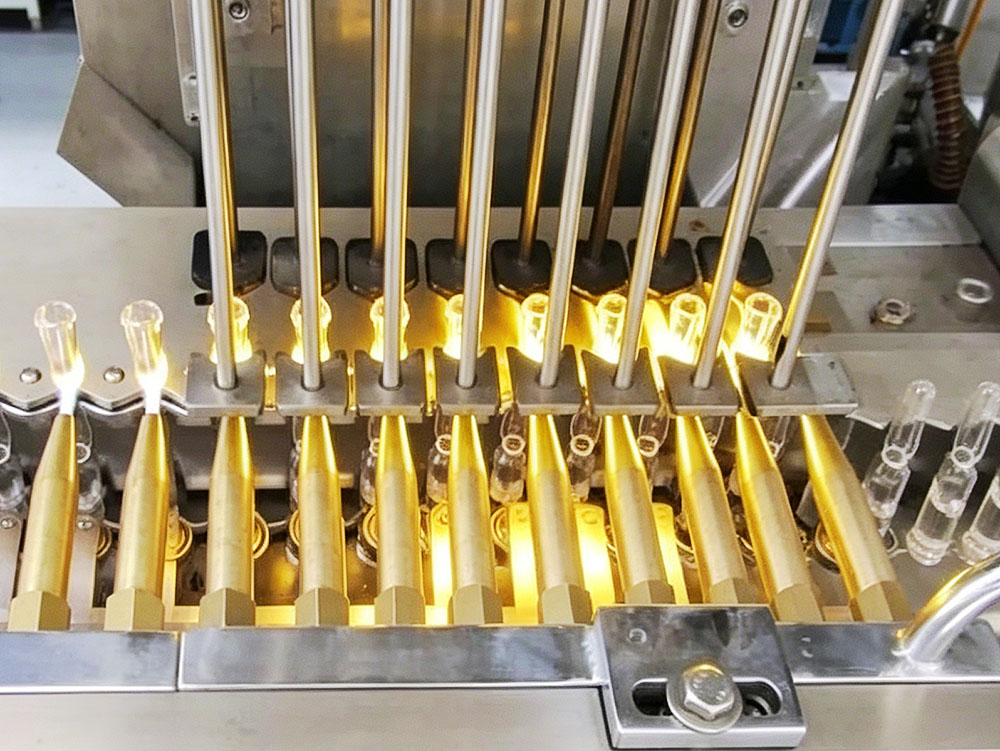
Do you need a fully automatic or semi-automatic ampoule filling machine? Higher automation reduces human error and labor costs, but it carries a higher upfront purchase price. Most modern models have touchscreens, recipe storage, and fault alarms, which greatly lower operational difficulty. Match automation levels to your operators’ technical skills and check these core configurations:
|
 |
- Emergency Stop Buttons and Safety Guards: These are required safety features to protect operators and follow OSHA and local workplace safety rules.
Compliance Standards and Equipment Validation Requirements
Pharmaceutical manufacturing is heavily regulated, so your ampoule filling machine must meet cGMP (current Good Manufacturing Practice), US FDA, EU GMP, and other industry standards. If you export products, check the regulatory requirements for your target markets. Ask the manufacturer for a full validation document package that includes IQ (Installation Qualification), OQ (Operational Qualification), and PQ (Performance Qualification). Missing these documents will cause regulatory audit failures, and you cannot ignore that. Core verification items:
- 21 CFR Part 11 Compliance: This is required for equipment electronic records and electronic signatures if you sell into the US market.
- Material Test Certificates: Stainless steel parts must come with 3.1/3.2 material certificates to prove material grade and traceability.
- Full Validation Documentation Inclusion: Confirm that the quotation covers complete IQ/OQ validation documents.
- Metrological Calibration Certificates: Get calibration records for filling pumps, sensors, and weighing modules that follow national metrology standards.
- Design Change Notification Mechanism: Know how manufacturers will tell you about design changes that could harm equipment validation.
Partner with a Reliable Ampoule Filling Machine Manufacturer
How do you know if an ampoule filling machine manufacturer is trustworthy? A good supplier helps you avoid years of production risks, but bad vendors will disappear when you need spare parts or technical support. Do thorough research before signing contracts. Use this checklist to tell real manufacturers from small trading intermediaries:
 |
Years of Operation and Industry Focus: Manufacturers with over 10 years focused only on pharmaceutical filling equipment (not general packaging machines) are more reliable.
|
Frequently Overlooked Minor but Critical Details
After you review all core modules, several small but vital details are often ignored. These include voltage compatibility, floor space, operating noise, and machine weight. No single factor will cancel a purchase by itself, but ignoring them causes unexpected problems when the equipment arrives. Confirm all these items before buying:
- Utility Supporting Requirements: Check compressed air pressure, power phase type (single-phase or three-phase), and water supply against your workshop’s actual conditions.
- Floor Space and Access Dimensions: Measure your factory door widths at the same time because some machines ship disassembled while others are one piece that cannot be split for transport.
- Operating Noise Decibel Level: High noise in a small workshop makes operators tired, so ask the supplier for official noise test data.
- Packaging and Logistics Terms: Confirm whether machines are packed in solid wooden sea freight crates and who pays for customs clearance and cargo insurance.
- On-Site Training Duration Included: How many days of hands-on on-site training are provided? Make sure the training covers your maintenance team as well as production operators.
Choosing an ampoule filling machine that matches your production line is much simpler than it seems. First, sort machine types and line them up with your capacity needs. Then calculate full-cycle investment and returns instead of only comparing base prices. Fully address the unique production needs of your drugs without compromising hygiene or compliance standards. Partner with established manufacturers that have local after-sales teams. Finally, finalize all logistics and workshop utility details. Set aside enough time for research, raise every detailed question with suppliers, and visit working equipment at partner factories if you can. A complete and thoughtful purchasing decision will keep your pharmaceutical production line running smoothly for many years.
FAQ
Q1: What is the typical price range for a pharmaceutical ampoule filling machine?
Prices vary a lot. Basic bench-top semi-automatic models start at around $30,000, while high-end fully automatic lines can cost over $200,000. The final price depends on how many filling heads, the automation level, and material choices. Manufacturers can give you detailed itemized quotations after you tell them your capacity requirements.
Q2: What is the average service lifespan of an ampoule filling machine?
With standard regular maintenance, high-quality models can run reliably for 10 to 15 years because they have 316L stainless steel frames and premium metering pumps. After 15 years, the electronic control parts will gradually go out of production, so they cannot easily support system upgrades.
Q3: Can a single ampoule filling machine process multiple liquid formulations?
Yes, if the machine supports quick-change parts and has a CIP cleaning system. However, highly viscous formulations and low-viscosity water-based solutions often need different pump models, so confirm compatible configurations with the supplier before you buy.
Q4: How long does equipment installation and full validation take?
When your workshop water, electricity, and air supplies are fully ready, installation and setup generally take 1 to 2 weeks. Then you need another 1 to 2 weeks to complete IQ/OQ validation. Some suppliers offer faster validation services for an extra charge.
Q5: What is the most common mistake buyers make during equipment selection?
The most common mistake is focusing only on nominal filling speed while ignoring format changeover time and full-machine cleaning difficulty. A fast-running machine that needs 8 hours for a full clean gives much less total output than a medium-speed model that finishes cleaning in just one hour.