
Definition and Application Fields of PFS Filling Machine
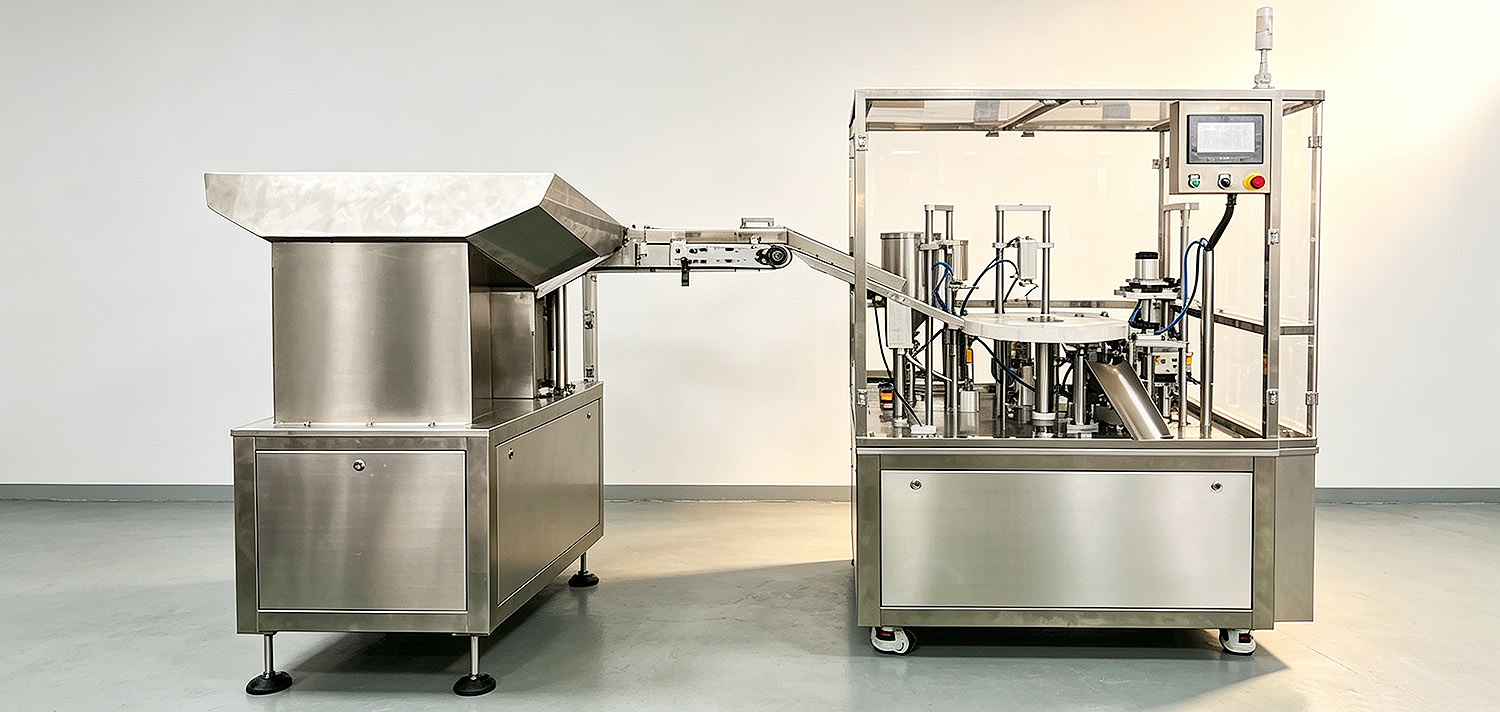
In the modern pharmaceutical and biotech manufacturing sector, sterile precision filling technology serves as the core guarantee of product quality. Traditional manual and semi-automatic filling methods are no longer sufficient as production standards continue to upgrade. The PFS filling machine, or prefilled syringe filling machine, is a type of professional automated aseptic filling device. It offers high filling accuracy, full sterile protection, and a high degree of automation, which has made it the mainstream equipment for mass-producing pre-filled syringes. This equipment effectively addresses the common problems of traditional production, such as low efficiency, unstable filling volume, and high contamination risks. It is widely used in filling and sealing production lines for various sterile liquid preparations.
What Is a PFS Filling Machine?
Simply put, a PFS filling machine is the abbreviation for Prefilled Syringe filling machine. In the industry, it is often called a syringe filling machine. This machine is specially designed for the integrated processing of pre-sterilized syringes. It can complete the entire production process in one go, including syringe sorting, liquid filling, sealing, and discharging the finished products.
Professional PFS filling machines are built to strictly follow GMP production rules and ISO aseptic standards. They work with both glass and plastic pre-filled syringes in various sizes. By removing the need for complex manual work, they stop secondary contamination from happening and ensure each syringe has the exact same fill volume. For major pharmaceutical companies, this machine is essential for the standardized production of sterile injectable products.
Core Structural Components
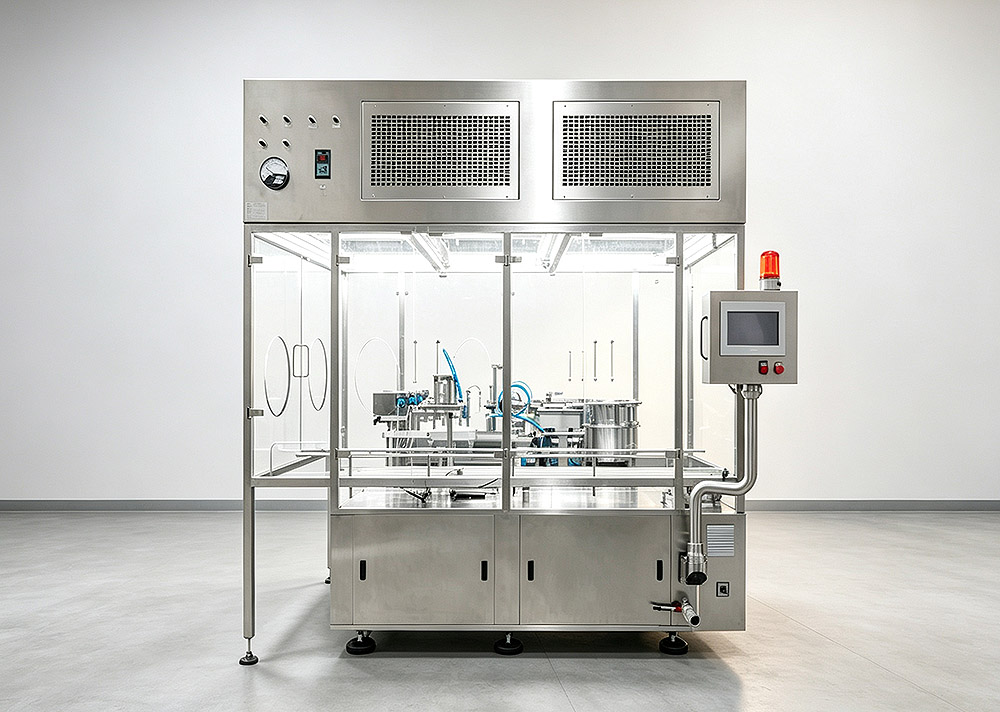
The PFS filling machine uses a modular design where all parts are built for aseptic, high-precision filling. All its mechanisms work together to keep the machine running smoothly and reliably during large-scale production, while also meeting the strict hygiene and safety rules of the pharmaceutical industry.
• Automatic Syringe Feeding System: This system automatically sorts, arranges, and moves empty pre-filled syringes into the machine. It gets rid of mistakes caused by manual loading and makes sure the supply of materials is steady and orderly for the next steps.
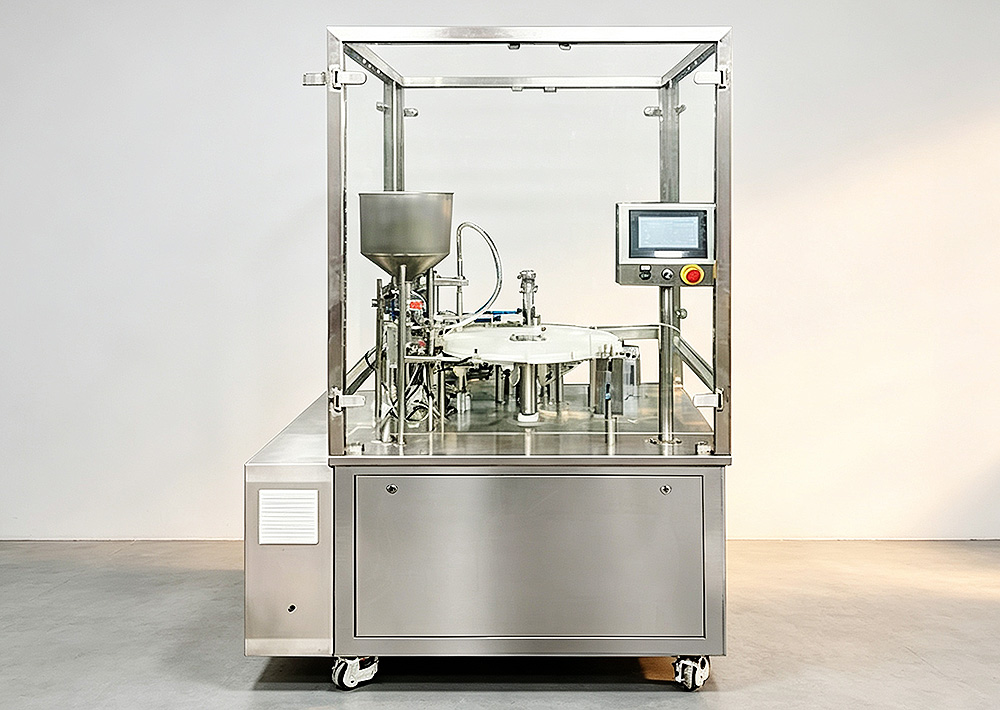 |
• High-precision Filling Pump System: It uses servo-driven ceramic piston pumps to provide very high filling accuracy. This system precisely controls the amount of liquid put into each syringe, which prevents waste and ensures the correct dose. • Aseptic Isolation Protection System: This system uses laminar flow and sterile isolation units to create an ISO Class 5 clean environment. This effectively stops outside bacteria and other contaminants from getting into the syringes during the filling process. • Automatic Stoppering & Sealing Mechanism: This mechanism automatically puts in and seals the rubber stoppers on the filled syringes. This step guarantees that the finished products are tightly sealed, preventing any liquid from leaking out and keeping microbes from getting in. |
• Intelligent Control & Detection Module: This module allows for real-time monitoring of all important parameters, automatic fault alarms, and recording of production data, which makes the whole production process intelligent and manageable.
All parts of the PFS filling machine that come into contact with the product are made from medical-grade 316L stainless steel. This material resists corrosion and is easy to clean and sterilize. The machine's compact and logical layout also reduces hard-to-clean spots where dirt can build up. This standardized design makes the equipment more stable and lowers the daily maintenance work required by manufacturers.
Working Principle
The entire operation of the PFS filling machine follows a clear and standardized production flow. From the moment syringes are fed in until the finished products come out, the process is fully automatic and doesn't need people to step in. This helps avoid contamination and mistakes caused by human actions, ensuring that every batch of products is made to the same high standard.
• Material Sorting and Feeding: The machine automatically takes sterilized syringes from trays, puts them in the right order, and moves them into the clean production area.
• Aseptic Environment Purification: The built-in laminar flow system works non-stop to keep the air in the working area clean. This keeps the filling environment free from microbes and other particles.
• Quantitative Liquid Filling: High-precision filling pumps draw the sterile liquid and put a specific amount into each pre-filled syringe, following the settings that were programmed in.
• Defoaming and Liquid Level Inspection: The machine automatically takes out any bubbles from the liquid and checks the fill volume at the same time. This double-check makes sure every syringe meets the required dose.
• Automatic Stoppering and Sealing: After filling, robotic arms push the rubber stoppers into place and seal them securely, locking the liquid safely inside the syringes.
• Finished Product Sorting and Discharging: Good products are automatically moved to a collection area, while any that don't meet the quality checks are rejected. This helps maintain a high rate of good finished products.
Through this complete series of steps, the PFS filling machine achieves a highly standardized assembly-line process. The whole procedure is precisely controlled by an intelligent system, which both increases the total output and keeps the product quality steady, building a strong base for large-scale standardized manufacturing.
Core Application Fields
The PFS filling machine is a vital piece of equipment in many high-end manufacturing areas, thanks to its excellent sterile performance and extremely high filling accuracy. It is used in production situations that need a strictly sterile environment and very precise control of the dose. These industries include pharmaceuticals, biotechnology, and medical aesthetics.
• Vaccine Production: Suitable for the sterile filling of vaccines for both humans and animals, ensuring the final vaccine is sterile and has the correct dose.
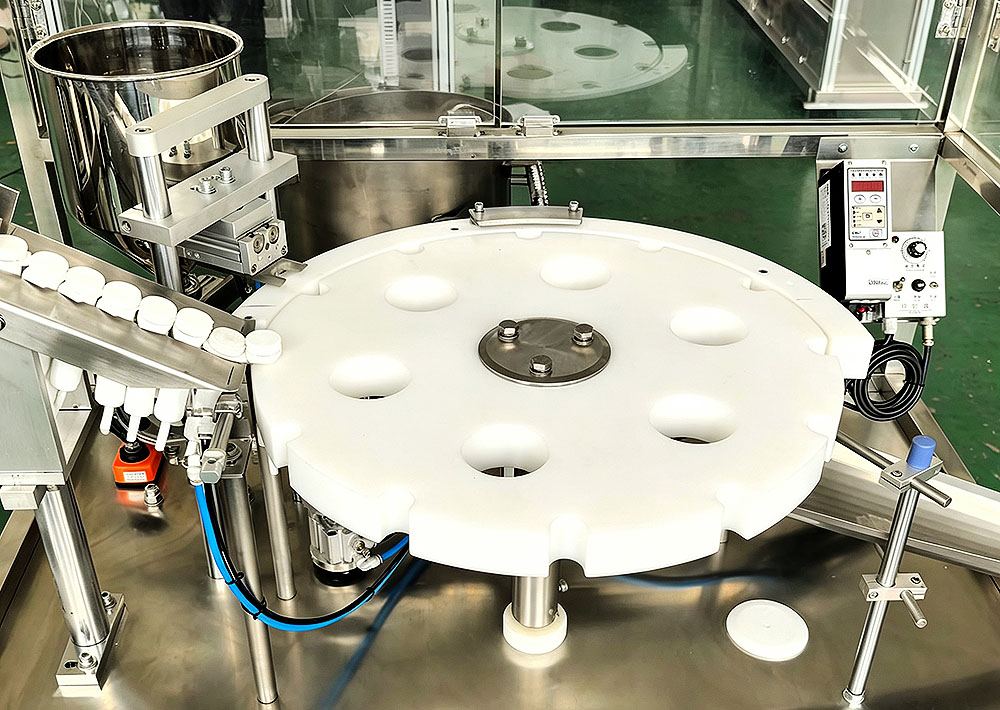
| • Biopharmaceutical Industry: Used for filling biological products such as antibody drugs, protein preparations, and cell therapy reagents. • Clinical Injectable Drugs: Used to make common liquid medicines for clinics, including painkillers, drugs to stop bleeding, and antibiotics. • Medical Aesthetic Products: Used for filling sterile liquids used in medical aesthetics, like hyaluronic acid and collagen injections. • Veterinary Preparations: Supports the standardized filling production of high-quality sterile injectable medicines for animals. • Laboratory Pilot Production: Used for small-batch filling tests with different syringe sizes in pharmaceutical R&D and labs. With its strong adaptability, the PFS filling machine is versatile enough to handle both small-scale experimental production and large-scale commercial manufacturing. Its wide compatibility makes it a popular choice for production in many different scenarios, favored by pharmaceutical factories and research institutions worldwide. |
 |
Core Advantages Over Traditional Filling Equipment
The PFS filling machine provides clear benefits in safety, accuracy, production speed, and cost control when compared to traditional semi-automatic or manual filling. It addresses the many weaknesses of older equipment and fits perfectly with the trend of modernization in pharmaceutical production.
• Higher Filling Accuracy: The servo-driven filling system keeps the amount of liquid in each syringe accurate to within ±0.5%, which is far better than older equipment and reduces differences between batches.
• Near-zero Aseptic Contamination Risk: The fully enclosed system replaces the open methods of traditional filling, effectively stopping cross-contamination of the materials.
• Greatly Improved Production Efficiency: The fully automatic one-stop process removes many manual steps, greatly increasing the number of syringes filled per hour and shortening the time needed for production.
• Broader Product Compatibility: It works with syringes made of different materials and of various sizes, allowing for flexible changes between different production batches.
• Lower Comprehensive Operating Costs: The automatic intelligent operation cuts down on the need for manual labor and reduces wasted raw materials, while also lowering costs for maintenance and quality checks.
Older equipment often has problems with unstable product quality and low output because of its open design and reliance on manual help. In contrast, the updated PFS filling machine offers a completely enclosed and intelligent production process, helping companies meet strict industry standards and improve their position in the market.
Production Line Equipment Selection Standards
Choosing the right PFS filling machine is the first step to achieving stable, high-quality production. Companies should make their choice based on their own production needs, the type of product they make, and the industry certifications they need to get, so they don't end up with equipment that doesn't fit their needs.
• Matching Production Scale: Choose a high-speed model for large-scale production or a custom small-batch model based on how much you need to produce each day, to avoid having too much or too little capacity.
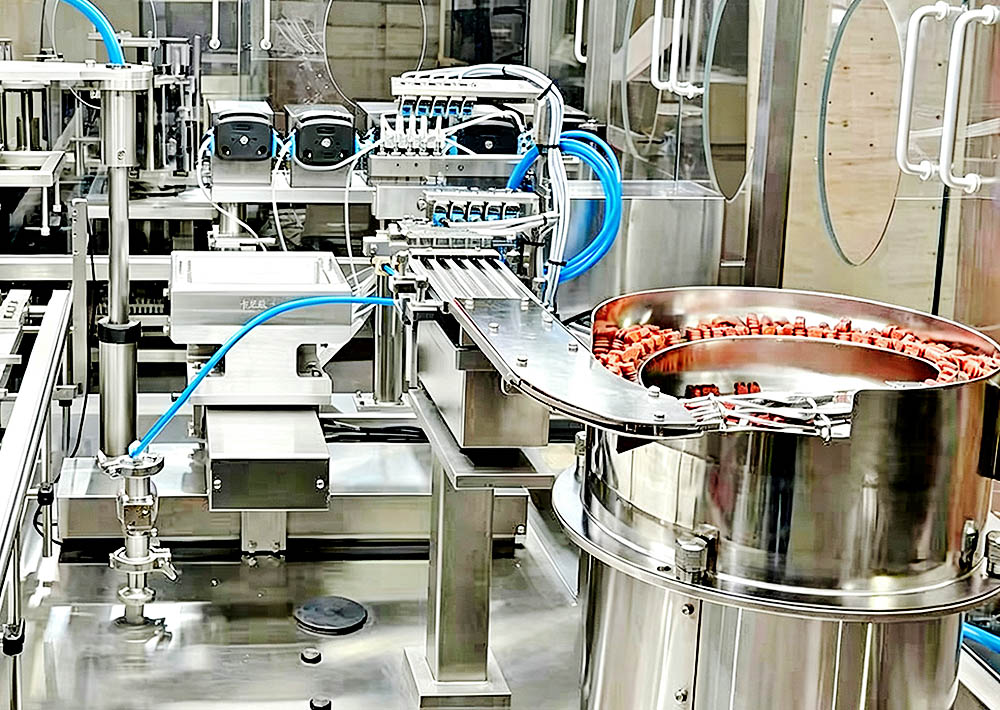 |
• Meeting Filling Accuracy Requirements: For expensive precision medicines, you need a pump system with very high accuracy to meet the strict rules for dosage. • Compliance with Aseptic Grade Specifications: The equipment must meet ISO Class 5 cleanroom standards and follow GMP rules for pharmaceutical production. • Product Adaptability: Make sure the machine is compatible with the materials, sizes, and liquid properties of the syringes you use. • After-sales and Customization Services: Focus on suppliers who can customize the equipment to your needs and who offer full technical support after the sale. Making a scientific choice when buying equipment will ensure you get the best performance from a PFS filling machine, lower the chance of breakdowns and future modification costs, and help your production line stay in line with regulations while delivering steady long-term results. |
Daily Operation, Maintenance and Safety Specifications
Following standardized operating procedures and performing regular maintenance is crucial for making a PFS filling machine last longer and work reliably. Good habits in operation and care can reduce equipment problems and keep production running without interruption.
• Pre-production Inspection: Before starting the machine, check the sterile system, filling pump settings, and the general mechanical condition to find and fix any potential safety issues.
• Regular Cleaning and Disinfection: Clean and disinfect the parts that touch the product and the inside of the sterile chamber on a regular basis to stop microbes from growing.
• Regular Parameter Calibration: Calibrate the filling accuracy and other operating settings at set times to keep the filling performance steady and consistent.
• Mechanical Lubrication Maintenance: Lubricate the moving and transmission parts regularly to cut down on wear and tear and reduce noise from the machine.
• Fault Recording and Troubleshooting: Keep a record of any problems that happen and put targeted solutions in place to stop the same problems from happening again.
Operators also need to have a good understanding of sterile procedures to avoid mistakes that could damage the equipment or contaminate the product. By sticking to a good maintenance plan, a PFS filling machine can keep running at its best for a long time.
Industry Development Trends and Prospects
As standards in the global pharmaceutical and biotech fields continue to rise, the demand for high-quality sterile filling equipment is steadily growing. The PFS filling machine industry is moving towards more intelligent, efficient, energy-saving, and customizable solutions. More and more companies are starting to use unmanned production lines and ultra-precise filling processes, which pushes the technology for this equipment forward.
• Intelligent Unmanned Production: The goal is to achieve full automatic control and remote monitoring, reducing the need for people to get involved in the process.
| • Higher Precision and Greater Throughput: Filling systems are being continuously improved to support the mass production of very small doses with high accuracy. • Diversified Customization Services: Suppliers offer equipment modifications to meet the needs of special syringe designs and unique liquid formulations. • Green Energy-saving Upgrade: The design of new equipment focuses on reducing energy use and material waste to achieve more environmentally friendly and efficient production. • Global Multi-standard Compatibility: Equipment is being made to meet the pharmaceutical regulations of many different regions, helping companies that export their products. In the future, automated and intelligent PFS filling equipment will fully replace older filling devices and become the standard for pharmaceutical filling lines all over the world. Its use in the market and its technical value will only continue to grow as the industry develops further. |
 |
In summary, the PFS filling machine is an essential piece of core equipment for the modern, sterile production of pre-filled syringes. Its unique design, stable performance, and wide range of uses have completely changed old-fashioned and inefficient production methods. While it increases production speed and the rate of good finished products, it also strictly protects the safety of the injectable medicines being made. As the pharmaceutical and biotech industries keep advancing, the technical abilities and possible uses of the PFS filling machine will continue to expand, offering these industries more efficient and complete production solutions.
FAQ
1. What is the core difference between a PFS filling machine and an ordinary syringe filling machine?
The main differences are in the level of sterility and automation. A professional PFS filling machine is made specifically for the sterile, large-scale production of pre-filled syringes. It has a fully enclosed sterile system and much higher filling accuracy. Ordinary syringe filling machines are usually semi-automatic and cannot meet the high standards required for pharmaceutical production.
2. What production specifications can a standard PFS filling machine satisfy?
A standard PFS filling machine fully meets GMP pharmaceutical regulations and the requirements for an ISO Class 5 clean environment. It can fill many different types of glass and plastic pre-filled syringes, covering most sterile liquid production needs in the pharmaceutical industry.
3. Are PFS filling machines suitable for both small-batch R&D trial production and large-scale commercial mass production?
Yes. Most models allow for flexible switching between different production modes. Compact custom models are available for small lab trials, while high-speed automatic models are perfect for large-volume commercial production, offering excellent flexibility.
4. How to sustain stable long-term filling accuracy of a PFS filling machine?
Keeping the accuracy stable over time depends on three main things: regularly checking and calibrating the operating settings, cleaning and maintaining the filling pump system daily, and following standardized operating procedures. Using high-quality servo filling parts also helps maintain high precision over a long period.
5. What are the main industrial application scenarios of PFS filling machines?
The main areas where these machines are used include vaccine manufacturing for pharmaceuticals, production of biologic products, clinical injectable drug processing, filling sterile medical aesthetic injections, and preparing veterinary medicines. They are also used for lab pilot production and custom filling projects.