
How Malta Pharma Factory Upgraded with Vial Filling Machine
How Malta Pharma Factory Upgraded with Vial Filling Machine
Project Overview
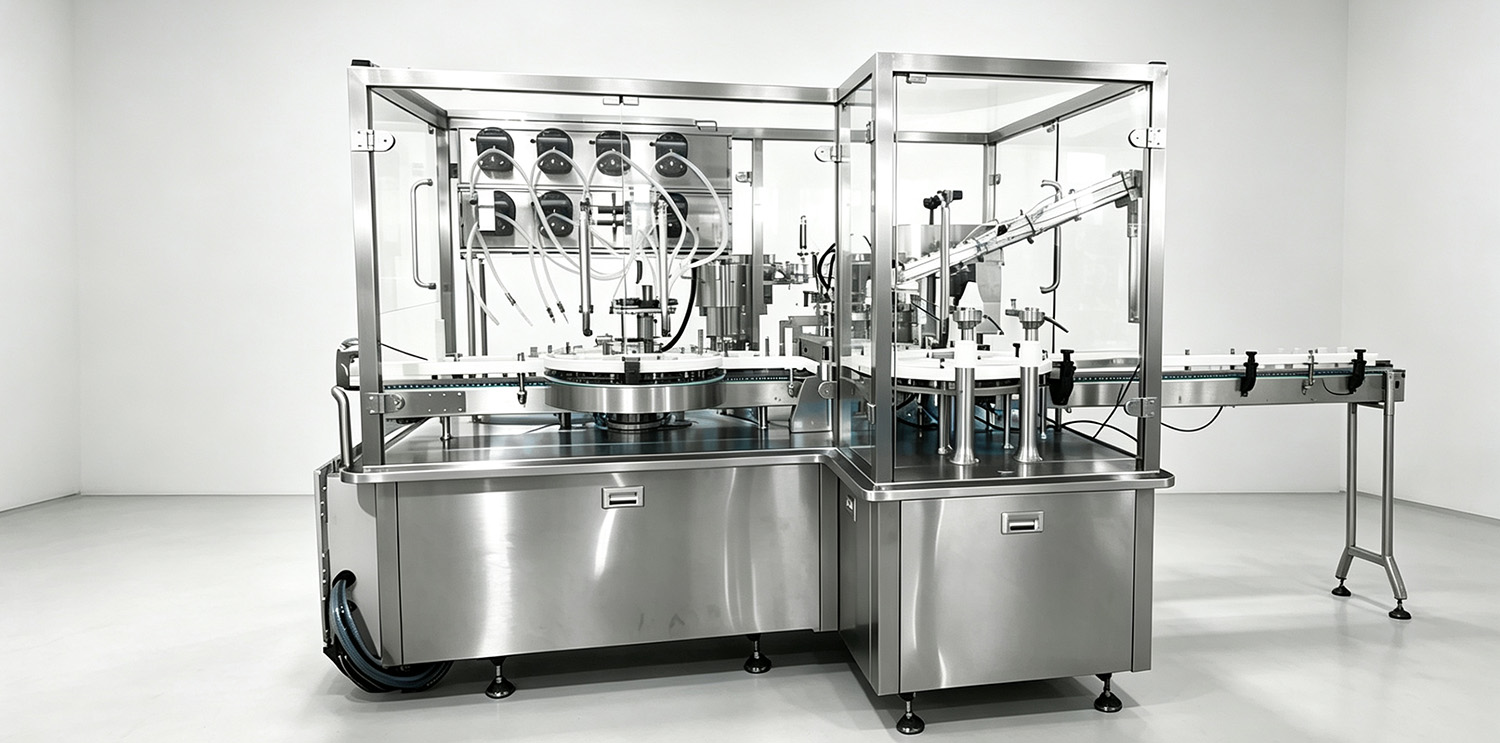
In mid‑2020, a local Maltese pharmaceutical manufacturer contacted us with clear objectives. They wanted to upgrade their outdated manual filling line into a modern automated system. The goal was to meet growing production demands and satisfy increasingly stringent sterility standards. This enterprise had operated for more than a decade, specializing in liquid pharmaceutical products such as injectables and liquid preparations. Their production facility in Żebbuġ, Malta, had reached a critical turning point because manual production could no longer accommodate their expanding product portfolio. This project delivered a complete vial filling solution covering equipment supply, installation, commissioning and acceptance. The configuration details are listed below:
|
Equipment Name |
Model / Specification |
Quantity |
|
Automatic liquid filling system with aseptic operation capability |
1 set |
|
|
Automatic labeling system for vials |
1 set |
Total Project Investment: USD 17,100. The equipment was shipped by sea from Shanghai, China to Malta. Delivery and full installation were completed in the third quarter of 2020.
Client Requirements & Existing Pain Points
Before our cooperation, the client relied heavily on manual or semi‑automatic filling operations. This is a common challenge confronting many mid‑sized European pharmaceutical manufacturers. Their specific operational difficulties were as follows:
Low Production Efficiency
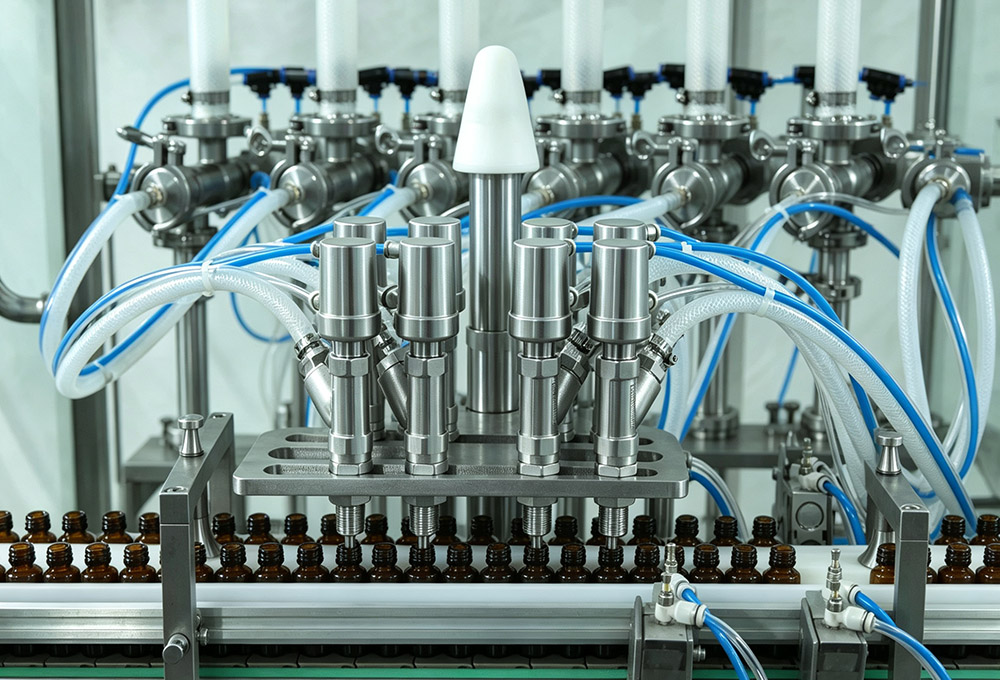
Manual filling only produced several hundred vials per hour. As market orders increased, the original line hit obvious capacity bottlenecks. This delayed order fulfillment and strained customer partnerships.
Insufficient Sterility Control and High Contamination Risks
Within the pharmaceutical industry, product contamination compromises quality and triggers regulatory risks and safety incidents. Heavy manual intervention during filling greatly elevates contamination probability. The client's original plant lacked robust environmental control and struggled to maintain the aseptic conditions required for injectable production. Industry statistics show that approximately 80% of pharmaceutical recalls stem from packaging‑related issues. Most of these trace back to contamination occurring during the filling process.
Unstable Filling Accuracy
Manual dosing inevitably causes fill‑volume fluctuations. These deviations lead to batch rejection and raw material waste. They also violate regulatory standards. Dosing precision is a mandatory requirement in pharmaceutical manufacturing.
Frequent Labeling Errors and Low Operational Efficiency
Manual labeling often causes crooked labels and inconsistent adhesion quality. This impairs product appearance and traceability. Regulators across jurisdictions keep tightening requirements for label legibility and information reliability. Labeling compliance became an urgent priority for the client.
Limited Capacity Scalability
With plans to expand product lines and enter overseas markets, the client needed a scalable production solution. They could not afford to have business growth constrained by obsolete equipment.
Customized Solution
After thorough research into the client's production demands, plant layout and long‑term plans, we designed an exclusive solution. This solution centered on the automatic vial filling machine, a model engineered specifically for aseptic pharmaceutical filling scenarios.
Core Advantages of the Vial Filling Machine
This machine is compatible with liquid pharmaceuticals including injectables, vaccines and medicinal oral liquids. It features the following strengths:
- Aseptic Filling Performance: It is equipped with Class‑100 laminar airflow systems and aseptic operation glove boxes. These features establish high‑grade clean production environments compliant with pharmaceutical standards.
- High‑Precision Dosing: Advanced peristaltic pump technology delivers filling accuracy within ±1%. This cuts raw material waste and ensures uniform dosing across batches.
- Automatic Stoppering: Rubber stoppers are inserted automatically during the critical filling stage. This reduces manual intervention and lowers contamination risks at the source.
- User‑Friendly Control Interface: The PLC system enables operators to adjust filling volumes and monitor real‑time production parameters.
- Convenient Cleaning & Maintenance: The structural design supports rapid changeovers and thorough sterilization between batches. This meets strict pharmaceutical hygiene requirements.
Supporting Labeling Machine
The paired automatic labeling unit delivers stable labeling precision. It also ensures seamless linkage with the filling line. Vials are labeled immediately after filling before moving onward to packaging workflows.
Full‑Line Integration Services
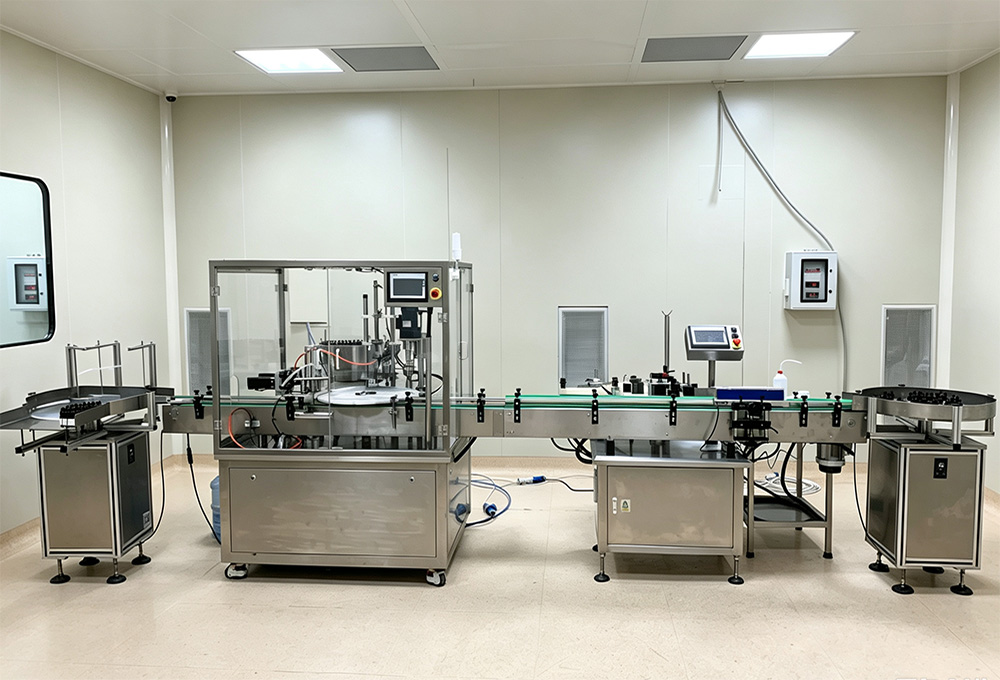
Beyond standalone equipment supply, we provide end‑to‑end line integration services:
1. Custom conveyor systems connecting filling and labeling stations.
2. Installation of laminar flow hoods to sustain aseptic conditions along the entire line.
3. Specialized training for frontline operators and maintenance technicians.
4. Long‑term technical support and spare‑parts supply.
The complete solution reserves expansion space for future modular additions. These may include capping machines and visual inspection systems. This flexibility matches the client's capacity growth trajectory.
On‑Site Implementation & Production Outcomes
The equipment arrived in Malta via sea freight in August 2020. Our engineers launched on‑site installation immediately. Despite complex cross‑border logistics and strict on‑site validation standards, the project was delivered on schedule.
Key Installation Tasks
- Pre‑Site Preparation: Our team collaborated with the client to upgrade production‑area utilities. We laid electrical circuits, connected compressed air supplies and commissioned environmental control systems.
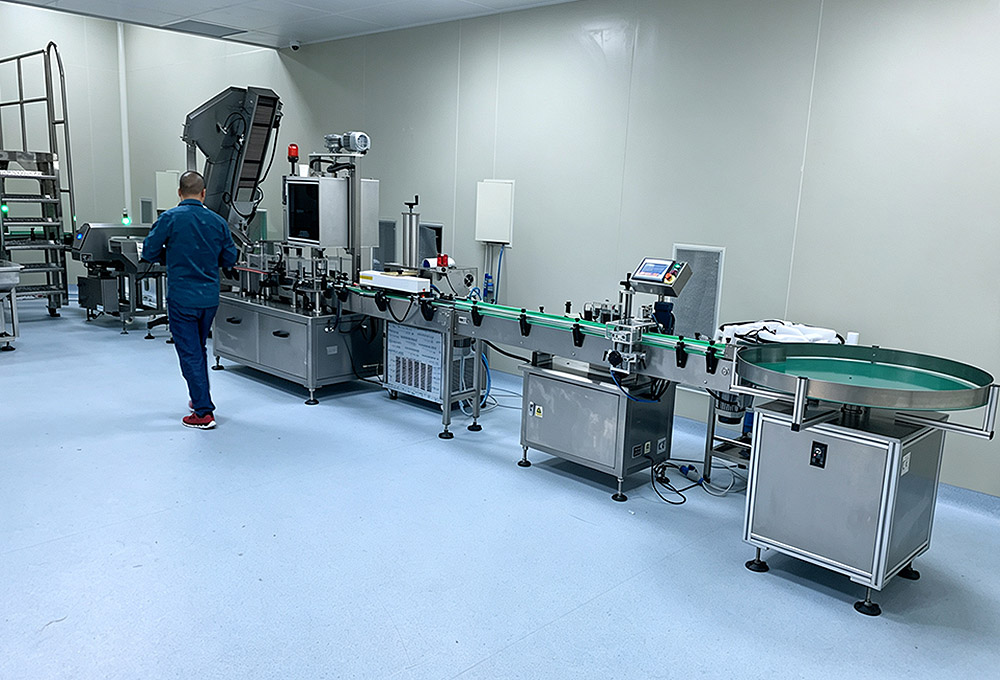
- Equipment Layout Planning: Strategic positioning of the filler and labeler optimized production workflows. This also minimized operator travel distances.
- Calibration & Commissioning: Each unit was individually calibrated to guarantee filling precision and labeling quality aligned with the client's specifications.
- Compliance Validation Support: We assisted the client in completing Installation Qualification (IQ) and Operational Qualification (OQ) for regulatory filing purposes.
Performance Comparison Before and After Upgrading
Remarkable productivity gains were achieved within weeks of commissioning.
|
Indicator |
Pre‑Upgrade (Manual Mode) |
Post‑Upgrade (Automated Mode) |
|
Hourly Output |
Approx. 300 vials/hour |
Approx. 1,500 vials/hour |
|
Filling Accuracy |
±5% |
±1% |
|
Contamination Risk |
High (extensive manual intervention) |
Low (aseptic automated operation) |
|
Labeling Pass Rate |
Unstable fluctuation |
99.9% labeling accuracy |
|
Batch Rejection Rate |
Approx. 8% |
Below 0.5% |
The client reported that the new line handles large‑volume orders with shorter lead times. It has significantly strengthened their competitiveness within the European pharmaceutical market.
Customer Feedback
"For years our outdated filling line dragged down production efficiency. Manual filling was slow, dosing was inconsistent, and sterility management was a constant concern. Partnering with MIC Machinery finally gave us a reliable solution. This vial filling machine has unlocked full workshop capacity. It has tripled filling efficiency and nearly eliminated batch rejection. Its aseptic design removes contamination worries. The labeling machine resolves the daily labeling defects we used to face. Most importantly, the MIC team supported us at every stage — from preliminary solution design through installation and staff training. Our cooperation experience has been excellent."
— Production Manager, Maltese Pharmaceutical Factory
"The return on this equipment investment is outstanding. Labor costs and raw material waste have fallen sharply. Backed by a stable automated line, we confidently pursue new business opportunities. I will unreservedly recommend MIC Machinery to peer pharmaceutical manufacturers planning filling‑capacity upgrades."
— Operations Director
Call to Action
Ready to Upgrade Your Vial Filling Line?
Whether you are an emerging pharmaceutical startup or an established manufacturer expanding production capacity, MIC Machinery can tailor dedicated equipment and technical solutions for you.
Get a Quote: Contact our sales team immediately for customized proposals matching your capacity requirements.
Email: info@micmedicalmachine.com
Website: www.micmedicalmachine.com
FAQ
Q1: What product categories can the vial filling machine process?
The model accommodates liquid pharmaceuticals such as injectables, vaccines, medicinal oral liquids, suspensions and biological preparations. Custom tooling is available for special vial sizes and filling volumes.
Q2: What is the standard capacity range of the vial filling machine?
Output varies by model and configuration. Standard automatic units run at 1,500–4,000 vials per hour. High‑speed variants reach a maximum of 11,000 vials per hour.
Q3: How does the machine guarantee aseptic conditions during filling?
The Class‑100 laminar airflow system and aseptic glove box create a clean operating environment. Automated filling drastically reduces human‑to‑product contact and substantially lowers contamination risks.
Q4: Can the equipment be customized to meet unique needs?
Full customization is supported. This includes adjustable filling volume ranges, variable filling needle quantities and tailored conveyor layouts. The machine can also connect with upstream and downstream equipment for integrated line operation.
Q5: What filling accuracy does the machine achieve?
Filling accuracy is steadily controlled within ±1%. This delivers uniform batch dosing and effectively cuts product rejection rates.
Q6: How demanding are cleaning and maintenance procedures?
Purpose‑built for hygienic operation, the machine uses stainless steel construction, smooth contact surfaces and quick‑disassembly core components. This enables fast cleaning and sterilization between production batches.
Q7: Do you provide installation and personnel training services?
We deliver integrated on‑site installation, commissioning and hands‑on operator training. The after‑sales team offers ongoing online technical support and stable supplies of original spare parts.