
How to Choose a Reliable Vision Inspection Machine? | MIC
How to Choose a Reliable Vision Inspection Machine?
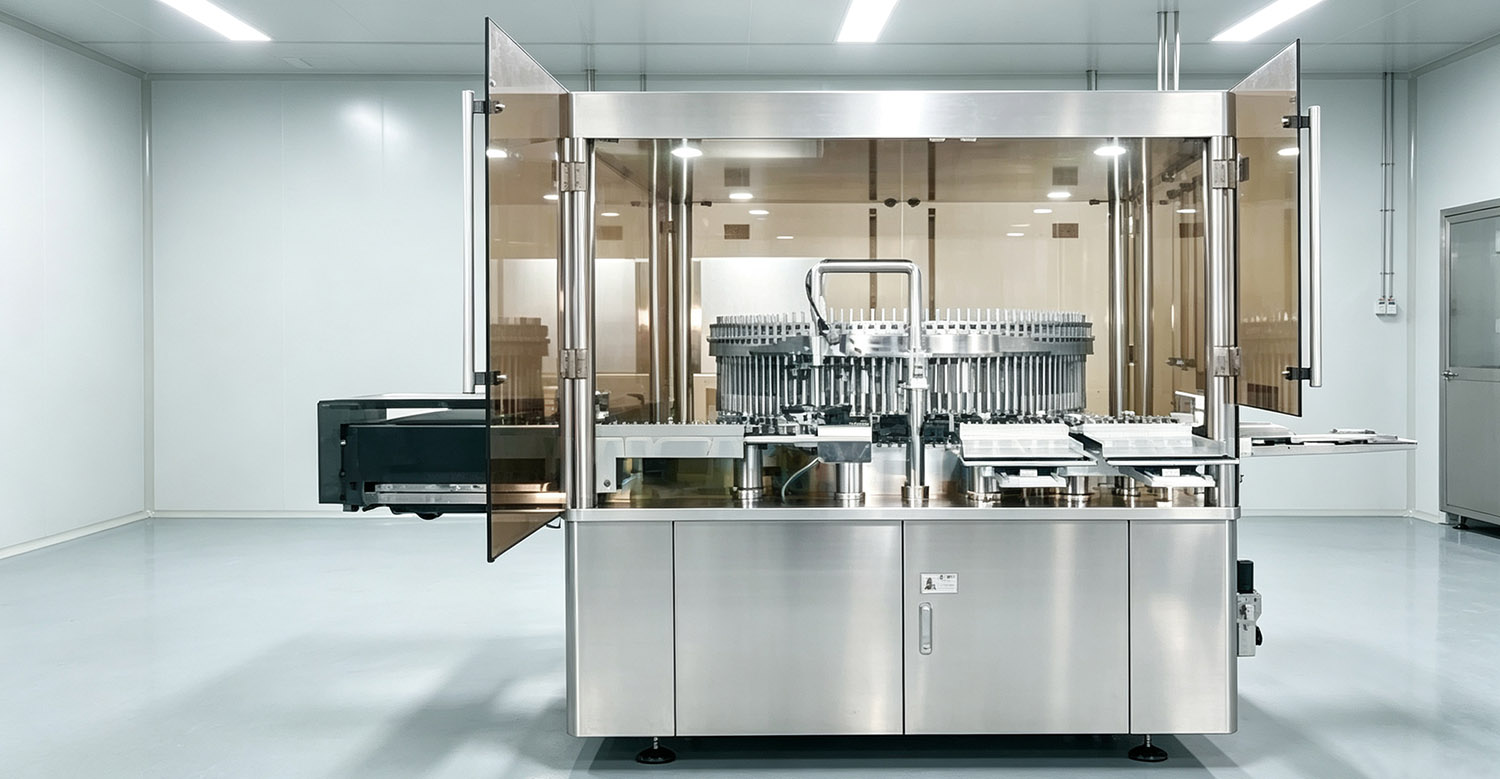
Imagine this. Your batch is filled. Your batch is capped. Your batch is ready to ship. Then a customer opens one vial. The customer spots a tiny particle floating inside. Just one particle. That one particle is all it takes to trigger complaints, returns, and many sleepless nights for your quality team. Here is the good news. A reliable vision inspection machine is built to stop that story before it starts. Here is the bad news. Not all vision inspection machines are equal. A wrong choice can cost you far more than the price tag. So you should not lock in your budget yet. You should not sign that purchase order yet. Let us walk through what really matters. We will use plain language. We will avoid jargon overload.
It Sees What Your Best Inspector Can't
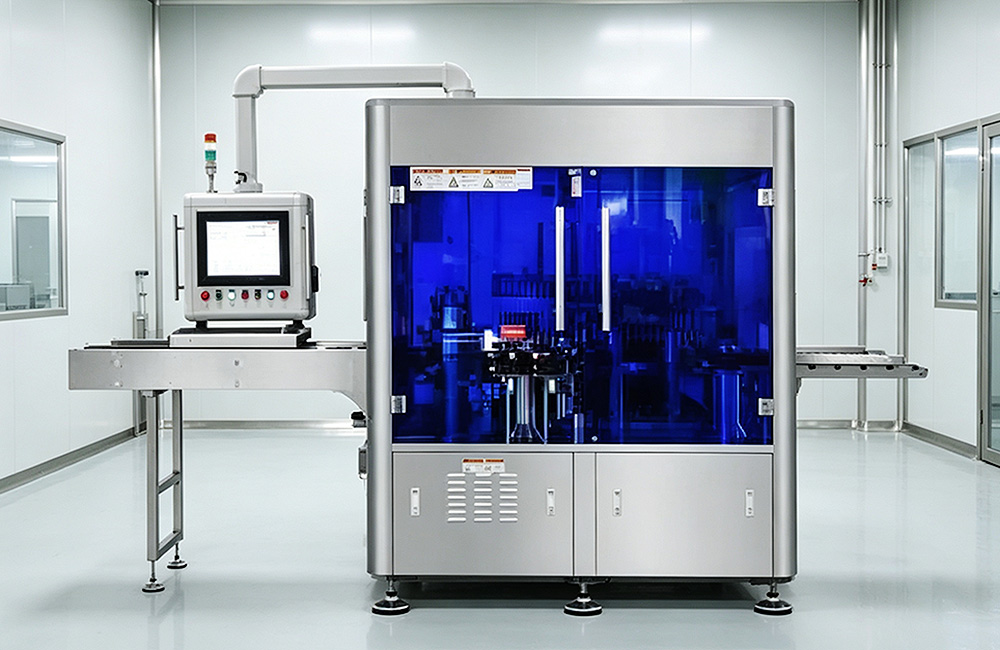
You can think of a vision inspection machine as the world's most patient quality inspector. It never blinks. It never gets tired. It never has a bad Monday morning.
You can think of a vision inspection machine as the world's most patient quality inspector. It never blinks. It never gets tired. It never has a bad Monday morning.
Why does this matter to you? Human eyes get tired after a few hours. But a vision inspection machine delivers the same sharp result at 8 a.m. and at 8 p.m., batch after batch.
Start With What's Inside the Bottle
Here is a mistake buyers make all the time. They fall in love with a vision inspection machine before they check whether it fits their product. You should not do that. Ampoules, penicillin vials, oral liquid bottles, and big infusion bottles all play by different rules under a camera. A crystal-clear injection in a small ampoule is one challenge. A 250 ml infusion bottle is a completely different challenge. Glass thickness, bottle shape, and liquid color change the way light travels through the container. That decides whether a tiny defect shows up or hides. So you should grab your container list first. You should note size, material, and product type. Then you should compare the list against each vision inspection machine's applicable specifications. If your containers fall outside the range, you should walk away. The price may look tempting. But you should still walk away.
Speed: Don't Let Inspection Become Your Bottleneck
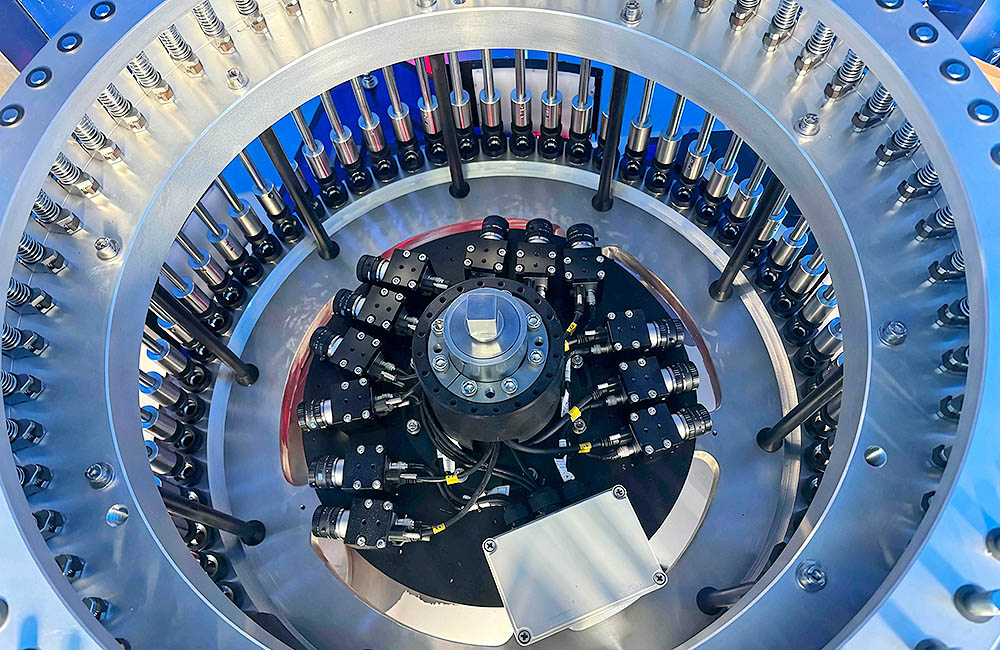
Let us talk speed. This is where lines quietly lose money. Picture your filling machine humming along at 300 bottles a minute. Your vision inspection machine tops out at 200. Bottles pile up. Operators scramble. Your whole line slows down to its weakest link. Now flip the picture. You buy an 800-bottle-per-minute monster for a small workshop. You pay for speed you will never touch. The smart move is to match your real output. You should leave a little room to grow. You should also ask how the vision inspection machine handles bottles after inspection. Multi-channel outfeed systems separate good products from rejects without slowing the flow. Here is a tip. You should ask for the speed the vision inspection machine can hold during long shifts. You should not just ask for the peak number on a spec sheet.
The Defects That Keep You Up at Night
You should ask yourself one question. Which defects would hurt you most if they slipped through? Your answer is your checklist. A capable vision inspection machine should reliably catch:
Cracks and chips, including the hairline kind you only spot under the right light
Particles and foreign objects floating in the liquid
Overfilled or underfilled containers
Loose caps, bad seals, and crimp defects
Missing, crooked, or misprinted labels
Here is a tip most buyers skip. You should not trust the brochure alone. You should ask for a live demo using your own products. You should mix in a few deliberately defective samples. If the vision inspection machine catches them all, you have found a keeper. If not, you should know before you pay.
Great Cameras Need Smart Brains
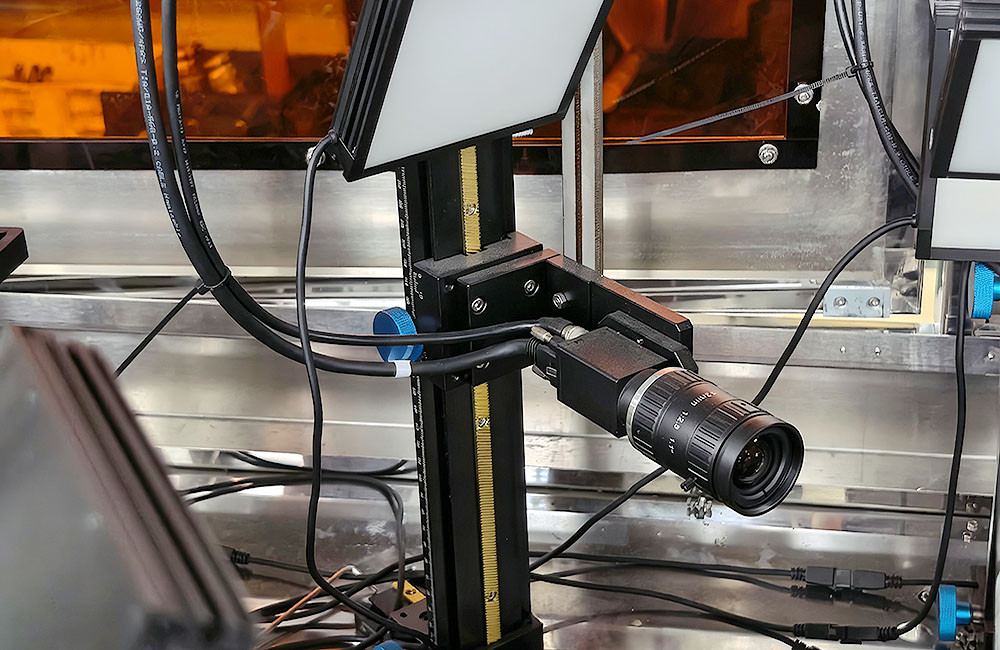
A great camera is only half the story. What you really want is a great camera with a great brain behind it. You should look for high-resolution imaging paired with well-designed lighting. Even the sharpest lens struggles in poor light. Then you should check the software. Intelligent, AI-driven algorithms can tell a real defect from a harmless bubble or reflection. That is a big deal. Every false reject is a good product thrown away. Ease of use matters too. Your operators should be able to set up recipes. They should be able to adjust parameters. They should be able to review results without weeks of training. You should ask whether the vision inspection machine saves inspection images for later review. You should ask how quickly you can fine-tune it when you switch products. Smart imaging plus friendly software means results you can trust, shift after shift.
Will It Play Nice With Your Line?
You can buy the most impressive vision inspection machine in the world. You can still regret it if it does not fit your line. You should check its footprint against your floor space. You should make sure it connects smoothly with your filling, capping, and labeling equipment. Then you should think about changeover. If you run several bottle sizes, you will want quick adjustments. You will not want half a day of downtime. Finally, you should not forget the paperwork side. In pharma, if you cannot prove it, it did not happen. You should look for a system that logs inspection results. The system should produce clear reports. It should link with MES or other control systems. When audit day arrives, you will be glad you did. A vision inspection machine that supports GMP requirements and keeps tidy records turns stressful audits into routine ones.
Let's Talk Budget: How Much Should You Really Invest?
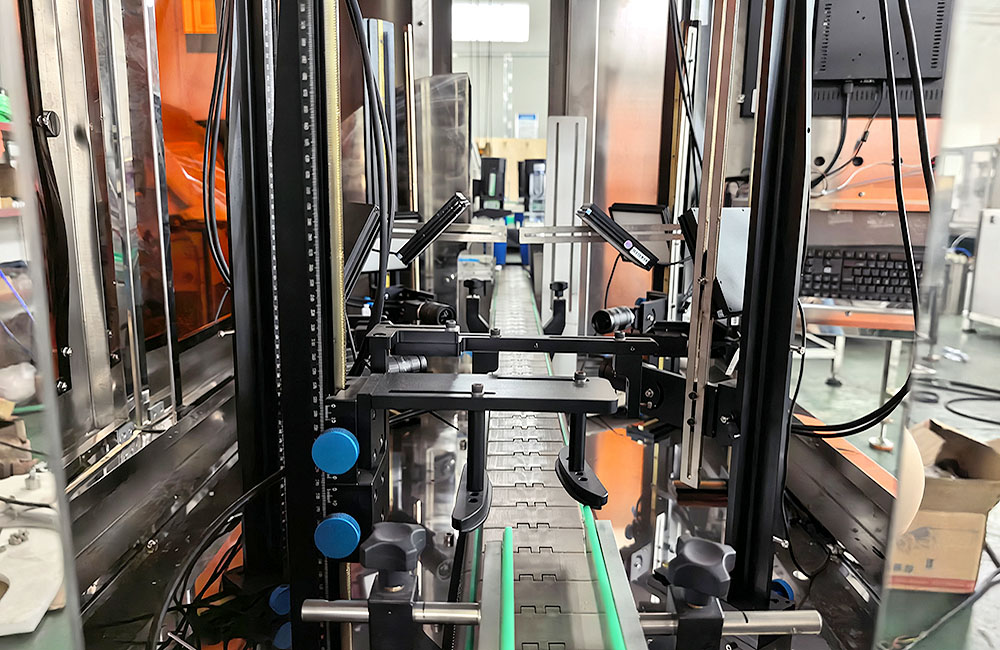
Let us get straight to the numbers. Most buyers want to know the numbers first. There is no single price tag. The final figure depends on speed, container range, and inspection functions. But here is a realistic starting point. Here is what buyers typically budget. These are rough market references in US dollars:
Basic semi-automatic units: roughly $3,000–$15,000. Fine for small batches, but an operator still does the looking.
Entry-level fully automatic machines (up to about 300 bottles/min): roughly $30,000–$60,000. A compact vision inspection machine at this level suits smaller ampoule and oral liquid lines.
Mid-to-high speed automatic systems (400–800 bottles/min): roughly $60,000–$150,000, with faster handling, more cameras, and smarter algorithms.
Premium imported or heavily customized systems: roughly $200,000–$600,000 and up.
These are ballpark figures for reference only. Your final quote will depend on your exact configuration. You should also remember the sticker price is not the whole story. You should set aside another 10–15% for installation, operator training, spare parts, and validation. You should check the power and gas consumption on each spec sheet. Then you should weigh it against the risk. If one batch is worth $50,000 and missed defects cost you just two batches a year, that is already $100,000 gone. That is more than many entry-level vision inspection machines cost. A properly sized vision inspection machine pays you back through less waste, less rework, and fewer manual inspectors. You should ask every supplier for an itemized quotation. Then you can compare like with like.
Choose a Partner, Not Just a Seller
Here is a truth that is easy to forget. You are not just buying a vision inspection machine. You are buying a partner. So when you compare vision inspection machine manufacturers, you should look far beyond the price. How long have they built inspection equipment for pharmaceutical and medical lines? Can they show you real projects? Will they customize the vision inspection machine if your container or product is a little unusual? And what happens after the sale? You should ask about installation, operator training, spare parts, and how fast they respond when something goes wrong at 2 a.m. A supplier who stands behind their equipment keeps your line running for years. A cheap vision inspection machine with no support can quickly become an expensive headache. You should ask for references, video demos, and if possible a factory visit before you decide.
Meet Six Vision Inspection Machines Built for Real Production Lines
Are you ready to see what is out there? Here are six models from MIC Machinery. Each model is made for a different kind of line and budget. You may run a compact ampoule workshop. You may run a high-speed factory. You may run a large-volume infusion line. There is a vision inspection machine that fits. So you only pay for the capacity you need. You can also browse our full range of inspection machines for more details.
MIC-400 Intelligent Automated Inspection System (400 Bottles/min): The all-rounder for mid-speed lines. It handles 10–20 ml ampoules, penicillin bottles, and oral liquid at 400 bottles per minute, with a two-channel mechanical bottle outfeed. Right-sized for lines that don't need top speed.
MIC-600 Intelligent Automated Vision Inspection (600 Bottles/min): The steady performer. It inspects 1–20 ml ampoules and penicillin bottles plus 10/20 ml oral liquid at 600 bottles per minute, using a three-channel suction and discharge design.
MIC-800 Intelligent Automated Vision Inspection System (800 Bottles/min): The speed champion. Built for 1–20 ml ampoules at 800 bottles per minute, with three-channel blow-out bottle discharge. A smart investment when your output is high and every minute counts.
MIC-300 Economic Vision Inspection System (0-300 Bottle/min): The smart budget pick. It's the lightest, lowest-power model of the six (1800 kg, 4.3 kW), ideal for smaller lines running 1–20 ml ampoules and 5–20 ml oral liquid at up to 300 bottles per minute.
MIC-200/400L Large Volume Visual Inspection Machine: The big-bottle specialist. Made for 50–250 ml infusion solutions at up to 200 bottles per minute.
MIC-600S Intelligent Vision Inspection System (600-800 Bottles/min): The flexible high-speed option. It covers 1–25 ml ampoule and penicillin bottle injections plus 5–20 ml oral solutions at 600–800 bottles per minute.
Are you still not sure which vision inspection machine fits your line and your budget? You should tell us your container type, production speed, and inspection needs. Our team will recommend a tailored solution with a clear quotation. You can contact us today. We are happy to help.
Choosing a reliable vision inspection machine comes down to a few smart questions. What are you inspecting? How fast do you run? Which defects can you never afford to miss? How much should you invest? What will it really cost over the years? And will your supplier be there when you need them? You should answer these questions honestly. Then the right choice becomes surprisingly clear. If you get it right, you will protect your product. You will protect your customers. You will protect your reputation. You will also cut waste. Are you ready to take the next step? You should explore our vision inspection solutions. Let us find the right fit for your line and your budget.
FAQ
1. What is a vision inspection machine used for in pharmaceutical production?
A vision inspection machine automatically checks every ampoule, vial, or bottle on your line. It looks for defects like cracks, particles, fill-level errors, and sealing or labeling problems. Only qualified products move on to packaging.
2. How fast should my inspection machine be?
You should match your vision inspection machine to your filling line's real output. You should leave a little room to grow. If your line runs at around 400 bottles per minute, a 400–600 bottles per minute vision inspection machine is a sensible starting point. If you buy far more speed than you need, you just add cost without adding value.
3. Can one machine inspect different container sizes?
Yes. One vision inspection machine can inspect different container sizes within the range each model supports. Most vision inspection machines allow changeover between sizes. But you should always check the applicable specifications first. A 1–20 ml ampoule vision inspection machine is not built for 250 ml infusion bottles.
4. What defects can the machine detect?
A vision inspection machine typically detects cracks, foreign particles, fill-level inconsistencies, cap defects, label misalignment, and sealing problems. Exact performance depends on the vision inspection machine and your product. So you should test with your own samples. That is a smart move.
5. How much does an inspection machine cost, and what affects the price?
As a rough guide, basic semi-automatic units start at around $3,000–$15,000. Entry-level fully automatic vision inspection machines run about $30,000–$60,000. Mid-to-high-speed systems typically fall between $60,000 and $150,000. Premium or heavily customized systems can go well beyond that. The final price depends on speed, container range, inspection functions, integration needs, and customization. You should budget an extra 10–15% for installation, training, and spare parts. You should request an itemized quote for an accurate number.
6. Will it work with my existing production line?
Yes. A good vision inspection machine connects with your filling, capping, and labeling equipment. It can link to MES or other control systems for full traceability and reporting.