
Top 10 Vial Filling Machine Problems and Solutions
Top 10 Vial Filling Machine Problems and Solutions
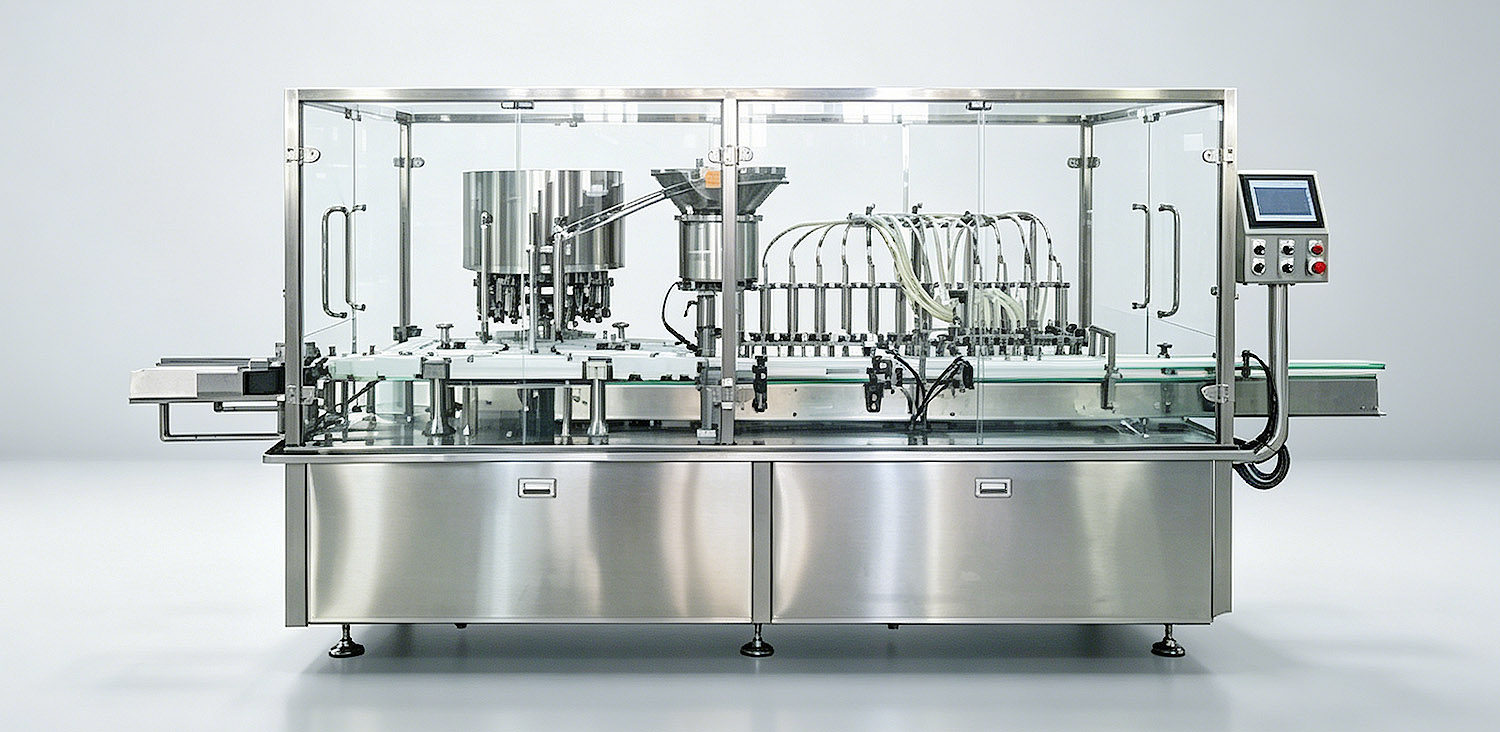
A vial filling machine is key equipment in pharmaceutical, biotech, and cosmetic production lines. It puts exact liquid amounts into small glass or plastic vials at fast speeds. When these machines work well, they keep production on time and make sure every product meets quality rules. But like other precise tools, things like part wear, poor upkeep, and small setup mistakes often cause sudden stops, lost materials, and rule breaks. Below we look at the ten most common problems on production floors, explain their main causes, and give useful fixes to get your vial filling machine back to good work.
Inconsistent Fill Volume
Problem Description:
Uneven fill amounts in one batch are a common issue in daily work. Some vials get too much liquid while others get too little. This leads to bad products, wasted materials, and slow batch approval.
Common Causes:
- Worn piston or diaphragm pump seals that let liquid leak inside
- Changing pressure in the product feed line from the supply tank
- Fill valve settings that shift after upkeep or part changes
- Dirty level sensors that give wrong volume info to the control system
Solution:
Start by checking all pump seals for cracks or wear. Replace them in regular upkeep to stop leaks inside. Then put a pressure regulator on the feed line to keep product pressure steady. Recalibrate the fill valve after every part change. Finally, clean level sensor probes often to clear residue. Run a small test batch before full runs to check the dose.
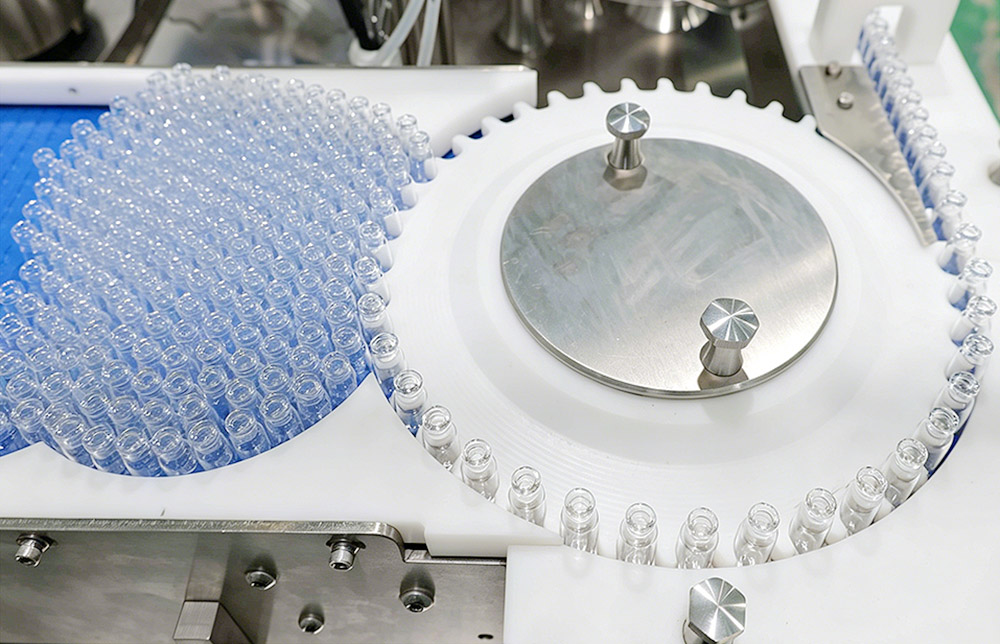
Product Dripping and Weeping From Fill Nozzles
Problem Description:
Dripping nozzles leave residue on vial tops, belts, and areas around them. This wastes product and raises contamination risks. The issue often happens right after a fill cycle ends when liquid seeps from the nozzle tip.
 |
Common Causes:
Solution: First check the nozzle tip seal for wear. Replace it if you see cracks. Next, take apart and clean nozzles after each run to remove dried buildup. Then set the suck-back valve to act at the end of the fill. This pulls liquid back and stops drips. You can add a pressure relief valve to drop line pressure fast after each fill. |
Vial Jamming and Misalignment on the Conveyor
Problem Description:
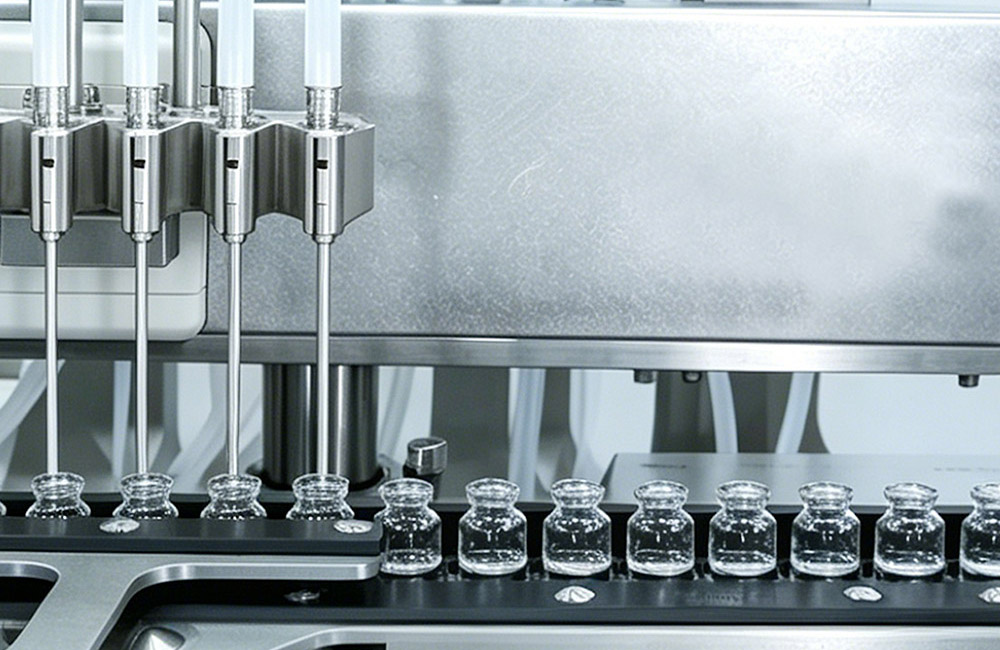
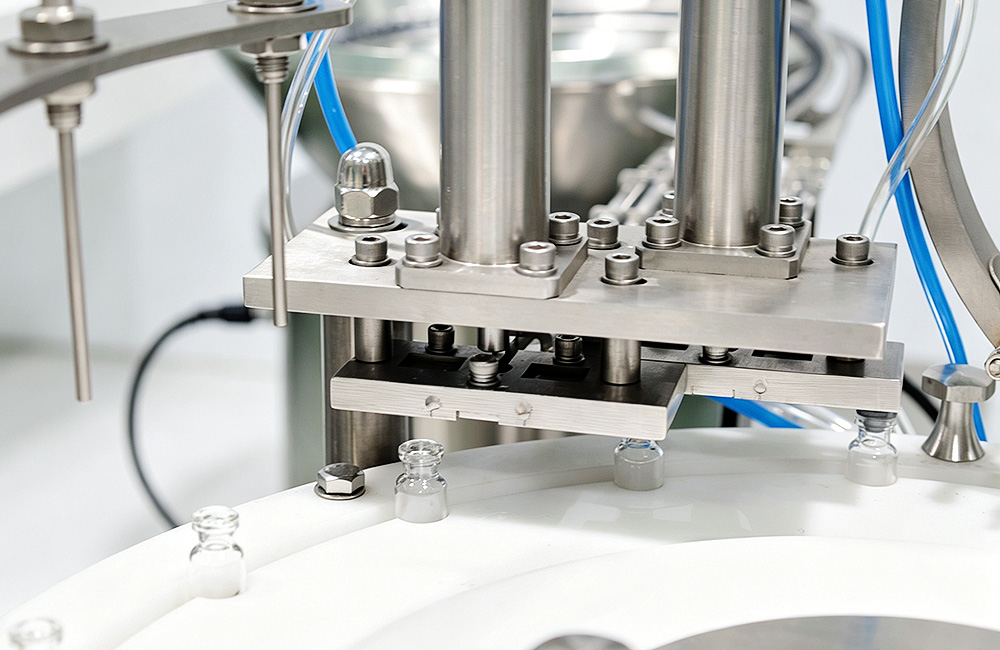
Vials tip over, stick in the star wheel, or sit off center under the fill nozzle. These problems stop production and can break glass vials. This creates safety issues and lost product. It happens often when you change vial sizes or run faster.
Common Causes:
- Guide rails that do not fit the current vial size
- Worn star wheel pockets that do not hold vials well
- Conveyor speed that does not match star wheel speed
- Bent vial feed screws that push vials at the wrong angle
Solution:
Readjust guide rails and star wheel every time you change vial size. Test with empty vials first. Check star wheel pockets for wear and replace the wheel if needed so vials stay stable. Match conveyor speed to star wheel in the control panel. Check feed screws often and replace bent ones. This keeps your vial filling machine running well during changes.
Excessive Foaming During the Fill Cycle
Problem Description:
Foamy fills cause wrong volume readings, overflow, and residue on vial rims. This messes up sealing later. The problem is common with thin liquids or those with special ingredients.
|
Common Causes:
Solution: Lower the fill nozzle near the vial bottom at the start. Raise it slowly as liquid rises. Slow the fill speed at first for foamy products and use two stages. Bleed air from the line and pump before runs. For ongoing foam, use dive nozzles that fill from the bottom up. |
 |
Weak or Uneven Crimp Seals
Problem Description:
Weak crimp seals are a big concern for any vial filling machine with sterile products. They break sterility, cause leaks, and lead to bad inspections. The issue shows up later and may force batch rework.
Common Causes:
- Worn crimping dies that do not press evenly
- Wrong crimp height or pressure settings
- Vials not centered under the crimp head
- Poor quality caps that do not match the vials
Solution:
Check crimp dies often for wear and fix them right away. Verify pressure and height settings and test on sample vials. Center vials well by adjusting rails and star wheel. Use good caps that fit your vial size for a strong seal each time.
Sensor Detection Failures
Problem Description:
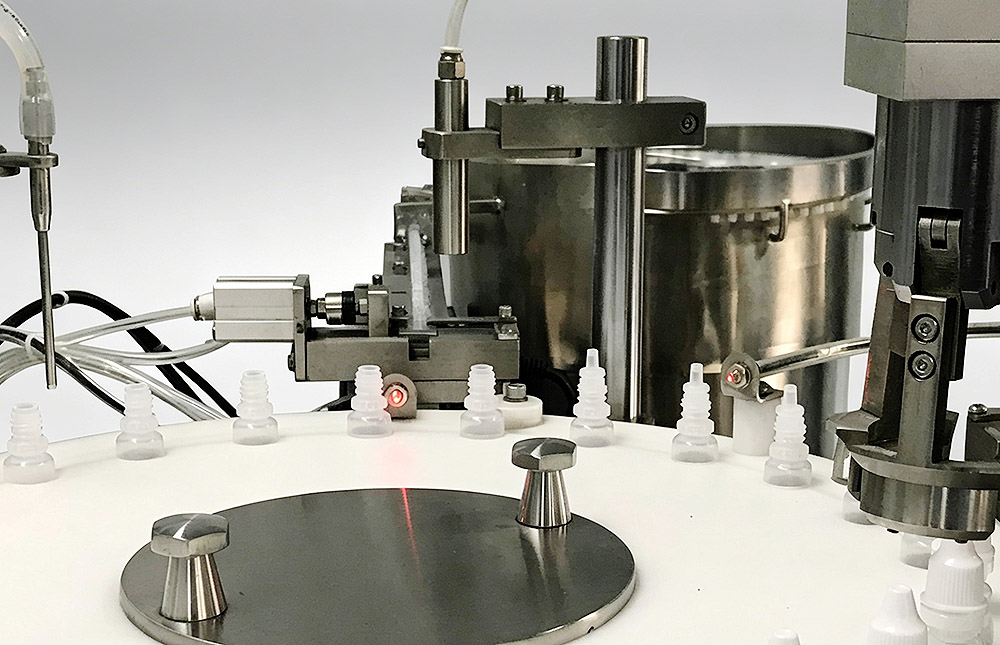
Bad sensors miss vials, change fill timing, and cause stops. The machine may not see a vial or give false signals. This breaks the production flow and requires constant resets.
 |
Common Causes:
Solution: Clean sensor lenses with a soft cloth at shift start. Check alignment after any changes. Test sensors often and replace old ones. Move sensors away from reflective areas or other machines if needed. |
Unusual Noise and Excess Vibration
Problem Description:
Grinding, rattling, or humming from your vial filling machine warns of future failure. If you ignore it, parts can break and cause long downtime.
Common Causes:
- Loose bolts or hardware on machine parts
- Worn bearings without enough oil
- Misaligned belts or chains that rub
- Machine feet that are not level
Solution:
Tighten loose bolts during a quick check. Follow the lube schedule for bearings. Inspect belts and chains for tension and fix them. Use a level to make sure the machine sits flat and adjust feet to stop vibration.
Fluctuating Production Speed
Problem Description:
Random speed changes create bottlenecks and cause fill errors or jams. The line does not keep a steady rate.
|
Common Causes:
Solution: Check facility voltage and add a regulator if it varies. Inspect and replace worn belts. Clean air filters often. Load the right speed preset and stay within the machine limits. |
 |
Cross-Contamination Risks
Problem Description:
Cross-contamination is a major risk for any vial filling machine in regulated facilities. Leftover product in lines or nozzles can spoil the next batch when you switch formulas.
Common Causes:
- Poor cleaning between product changes
- Crevices that trap residue
- Worn seals that hold old product or bacteria
- No set clean-in-place procedure
Solution:
Use a strict cleaning plan for every changeover. Take apart parts for full cleaning. Focus on corners and replace worn seals. Set up a CIP system for frequent switches to keep everything clean.
Frequent Electrical Trips and System Shutdowns
Problem Description:
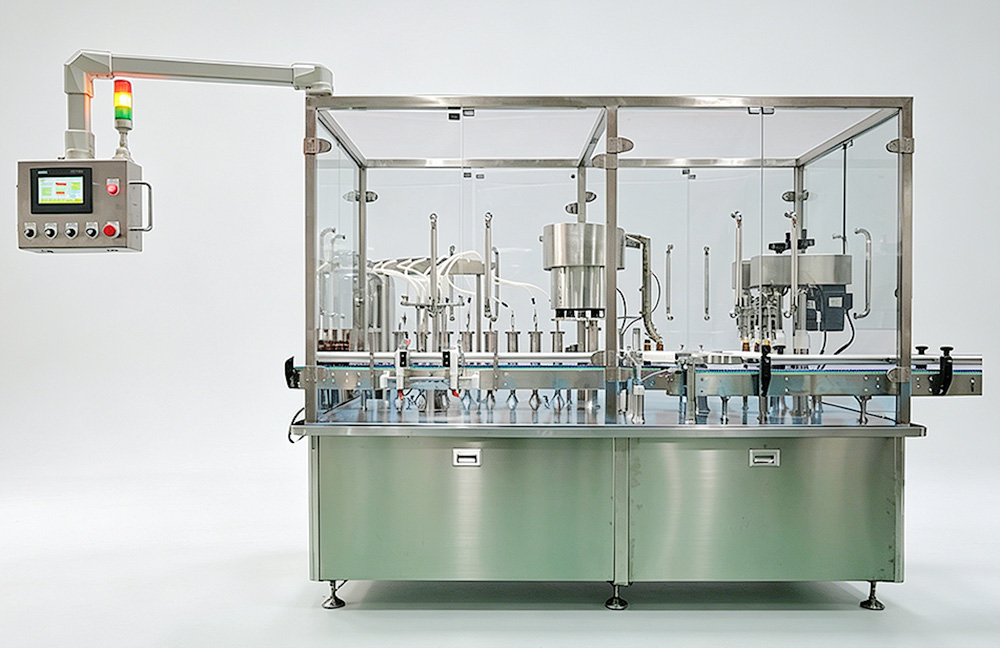
Electrical trips stop a vial filling machine suddenly. Random shutdowns halt all work and are hard to fix. They can also damage parts over time.
 |
Common Causes:
Solution: Put the machine on its own circuit. Have an electrician check connections often. Keep enclosures dry and clean spills fast. Test motor current and replace bad parts before bigger failures. |
Small issues happen with production equipment, but most vial filling machine problems can be stopped with good maintenance, operator training, and fast fixes. Focus on root causes to cut downtime, save materials, and make your vial filling machine last longer. For hard issues, call a technician or the manufacturer for help.
FQA
- How often should I perform preventive maintenance on my vial filling machine?
For daily lines, do basic weekly checks on seals, sensors, and belts. Get full service every three to six months based on use and product.
- Can I fix minor fill volume inconsistencies without a technician?
Yes. Most come from worn seals or calibration. Replace seals and recalibrate with the manual.
- Why is foaming worse with some products than others?
Thin liquids and those with surfactants trap air easily. Use slower speeds and bottom-fill nozzles for them.
- How do I know when to replace crimping dies?
Replace them if you see uneven wear, chips, or weak seals after adjustments.
- Is it safe to clean fill nozzles with regular soap and water?
Follow manufacturer rules. Use approved cleaners for pharma work and rinse well before you start again.