
Types and Working Mechanism of Vial Filling Machine
Types and Working Mechanism of Vial Filling Machine
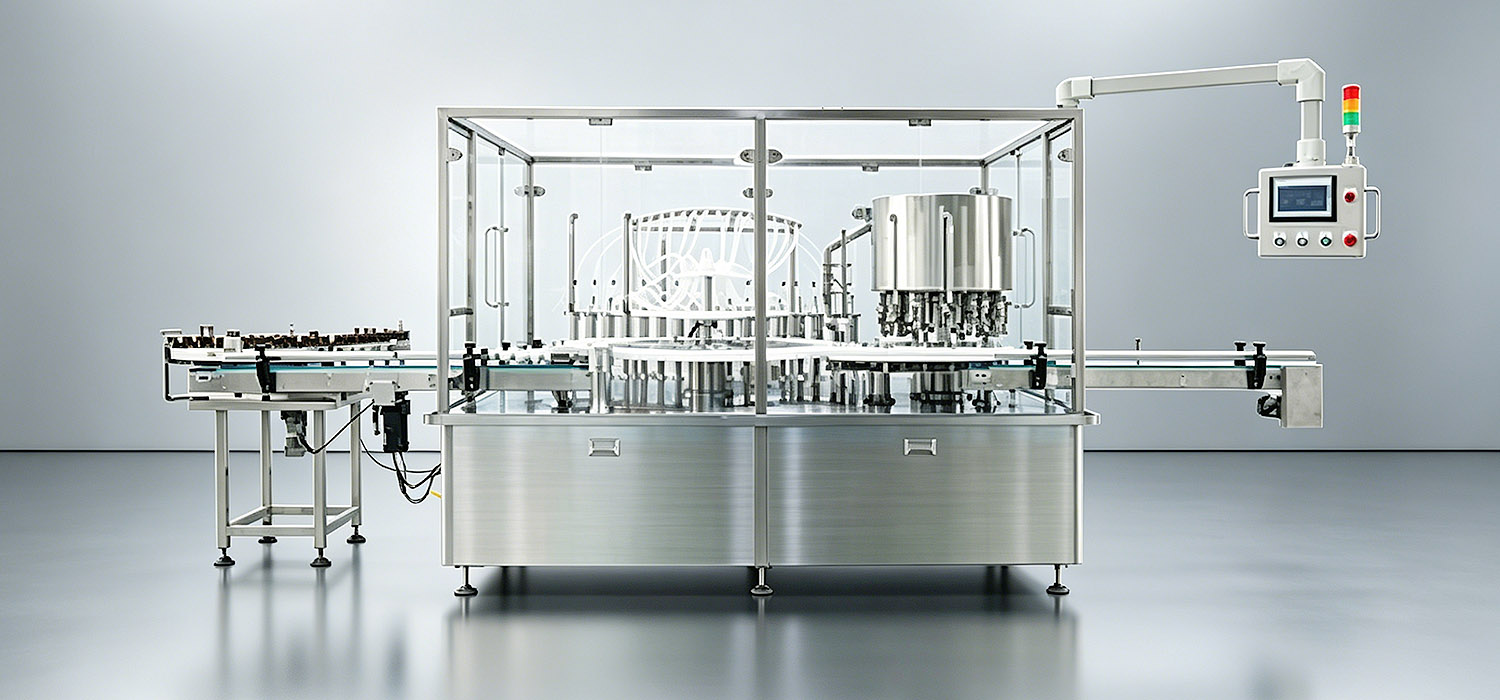
Small-dose sealed packaging is the backbone of pharmaceutical, cosmetic, and biotech manufacturing. Even tiny errors in filling volume or poor sterilization can lead to defective products and safety risks. So a reliable vial filling machine is necessary for modern production lines. This machine automates the full packaging workflow for small vials. It delivers consistent dosing, sterile operation, and stable output. For lab trial batches or large-scale industrial production, a well-configured vial filling machine solves the pain points of manual filling. Manual filling has low efficiency, inconsistent precision, and contamination hazards. So this machine helps brands meet strict industry quality standards.
What Is a Vial Filling Machine?
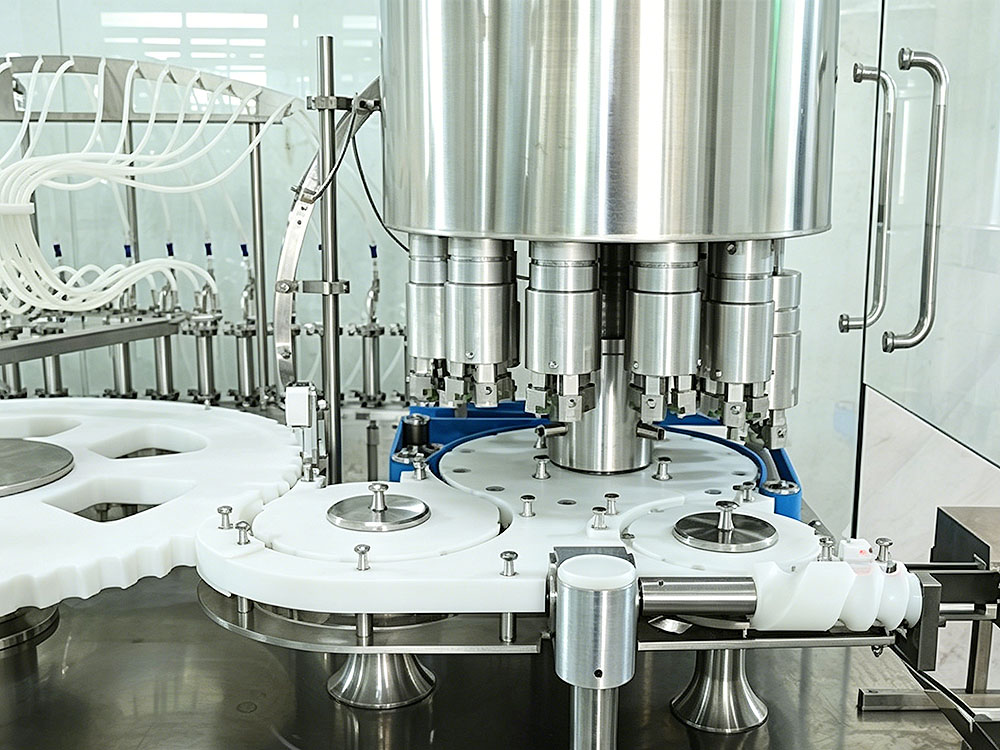
A vial filling machine is professional automated packaging equipment. It is built exclusively for small-capacity glass and plastic vial packaging. General filling machines work for large bottles. But this machine focuses on micro-volume and high-precision filling. That matches the dosage needs of injections, lyophilized powder, and high-end essence products. Lyophilized powder means freeze-dried material. The machine covers core functions: quantitative filling, stoppering, and capping. So it serves as specialized equipment for small-specification sealed packaging scenarios.
The biggest advantage of a vial filling machine is its balance between precision and cleanliness. Manual vial filling cannot avoid human-induced contamination and dosage deviation. That fails to meet GMP and industrial production requirements. GMP stands for Good Manufacturing Practice. This automated equipment uses programmed control. It standardizes every operation. So each vial gets the exact same filling volume and sealed state.
Common Types of Vial Filling Machine
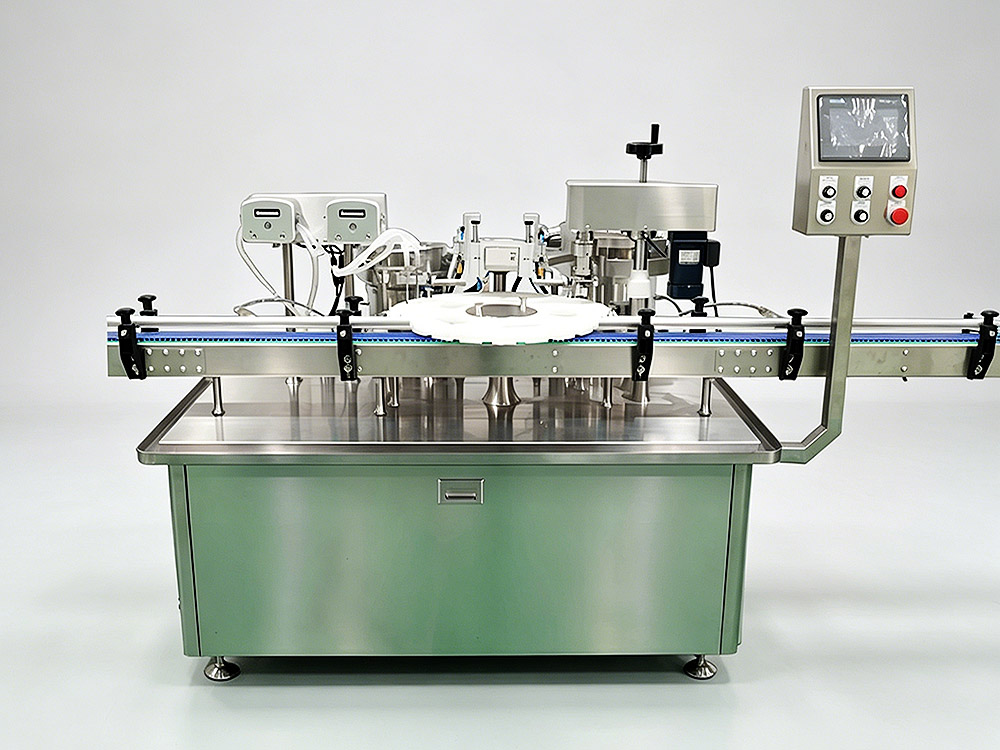
- Powder Vial Filling Machine: This machine is specially designed for dry materials like medical lyophilized powder and enzyme powder. It uses spiral quantitative feeding and dust-proof structures. That avoids powder flying and material loss. So it guarantees accurate net weight for each vial.
- Aseptic Vial Filling Machine: This machine has high-efficiency air filtration and fully closed sterile cabins. So it meets pharmaceutical GMP standards. Aseptic means free from harmful microorganisms. It is the core equipment for producing vaccines, sterile reagents, and high-purity medical products with strict hygiene requirements.
Working Mechanism of Vial Filling Machine
The working process of a standard vial filling machine follows a fixed and precise automated workflow. Each step is coordinated by mechanical transmission and electronic induction systems. That ensures orderly operation, accurate dosing, and tight sealing. This standardized mechanism guarantees stable and consistent packaging quality in long-term production.
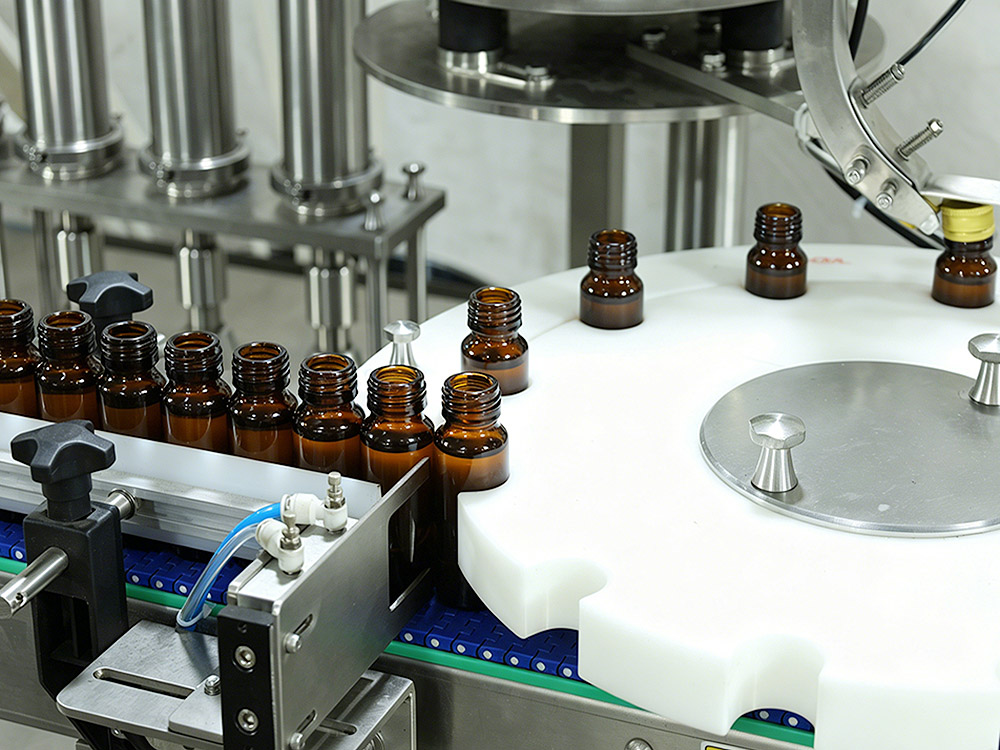
- Automatic Vial Sorting and Positioning: Empty vials are sorted and conveyed neatly via a vibrating plate or conveyor belt. Photoelectric sensors detect vial positions and send real-time signals to the control system. That achieves fixed-point positioning. So it avoids filling errors caused by misplaced vials.
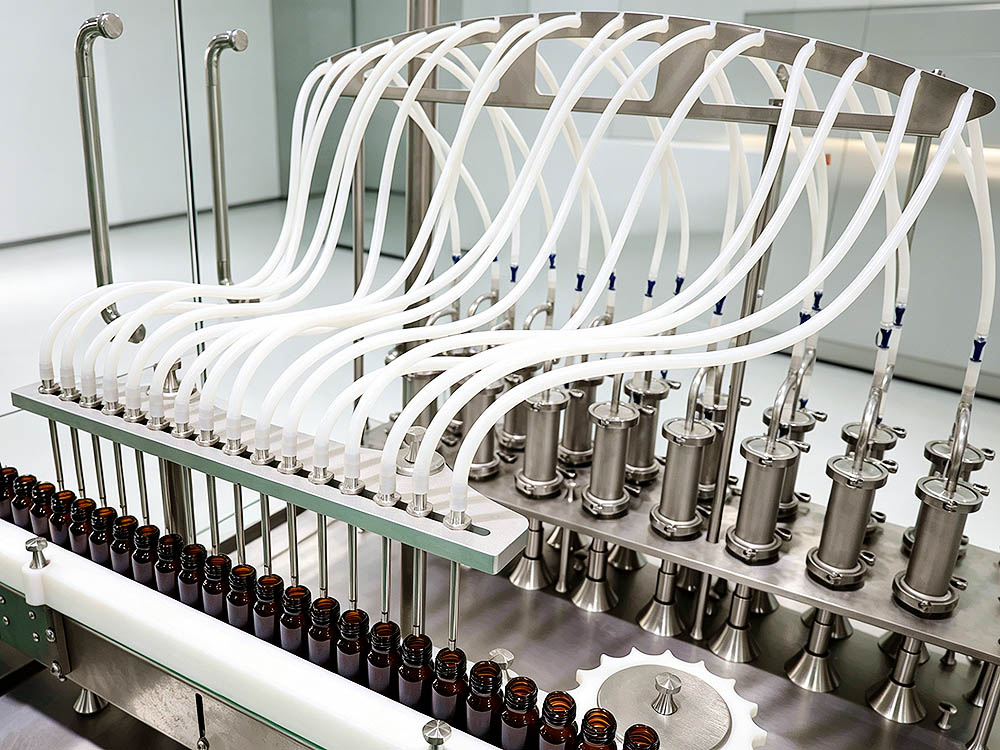
- Precision Quantitative Filling: The equipment drives the pump body to deliver materials into vials according to preset parameters. Liquid and powder materials use independent quantitative modes. The system strictly controls filling volume. It keeps errors within the industrial qualified range.
- Automatic Stoppering Operation: After filling is completed, the mechanical arm automatically grabs sterile rubber stoppers and presses them tightly on vial mouths. This step isolates internal materials from external air. So it prevents oxidation and microbial contamination.
- Capping and Crimping Sealing: The equipment automatically sleeves aluminum caps and performs uniform crimping treatment. Crimping means pressing to form a tight seal. It creates a fully sealed protective structure for vials. That ensures product tightness for long-term storage and transportation.
- Defect Detection and Discharging: High-end models have visual inspection modules. These modules screen unqualified products with insufficient filling or loose sealing. Qualified products are automatically output to the finished product area. So this ensures overall yield.
Core Technical Analysis of Vial Filling Machine
|
The stable performance of a high-quality vial filling machine relies on multiple mature core technologies. These key technical configurations cover control, filling, sterilization, and safety detection. They jointly determine the equipment’s precision, stability, and service life in actual production applications. |
|
 |
Main Production Applications of Vial Filling Machine
A versatile vial filling machine is widely used in industries that need small-volume, high-precision, and sterile sealed packaging. Its strong compatibility and stable performance make it essential core equipment for high-end fine packaging production lines across multiple fields.
- Pharmaceutical Industry: This is the most mainstream application scenario. The equipment fills vaccines, antibiotic injections, lyophilized powder, and diagnostic reagents. So it fully meets medical sterile and quality supervision standards.
- High-end Cosmetic Industry: It is suitable for filling small-bottle essence, freeze-dried powder skincare products, and plant extracts. Precise micro-filling ensures consistent product dosage. That avoids waste of high-value cosmetic raw materials.
- Scientific Research and Laboratory Field: Small desktop vial filling machine models are widely used in university and enterprise laboratories. They fill experimental reagents and trial samples. So they support flexible small-batch R&D production.
- Healthcare Product Industry: It fills small-dose oral probiotics, peptide nutritional solutions, and concentrated health products. The sealed and sterile filling environment protects active ingredients from deterioration and contamination.
- Fine Chemical Industry: The equipment adapts to filling high-purity chemical reagents and trace industrial additives. Its corrosion-resistant structure ensures stable operation when filling special chemical materials.
Core Advantages of Modern Vial Filling Machine
Daily Maintenance and Fault Prevention Tips
As precision automated equipment, the vial filling machine needs standardized daily maintenance to keep stable performance. Scientific cleaning, lubrication, and inspection can effectively extend equipment service life and reduce sudden production failures.
- Daily Complete Cleaning: After each production, disassemble and clean key parts like filling nozzles and pump bodies. Remove residual materials. That prevents material solidification from blocking parts and breeding bacteria.
- Regular Mechanical Lubrication: Add professional lubricating oil to transmission and operating parts regularly. That reduces mechanical friction loss. It also ensures flexible and stable equipment operation.
- Timely Circuit and Sensor Inspection: Check the sensitivity of photoelectric sensors and the stability of circuit lines regularly. Replace aging parts in time. That avoids signal errors causing operational failures.
- Regular Idle Trial Operation: For idle equipment, conduct regular trial operation and moisture-proof maintenance. That prevents dust and moisture accumulation from affecting subsequent normal use.
How Enterprises Choose a Suitable Vial Filling Machine
|
Selecting a matched vial filling machine is key to stable production and cost control for enterprises. Blindly pursuing high configuration or low price will lead to equipment mismatch and resource waste. So enterprises need to choose equipment based on their own production scale, material type, and industry certification standards.
|
 |
The vial filling machine is an indispensable precision device for small-specification vial packaging in modern manufacturing. It has diverse types, mature working mechanisms, and advanced core technologies. So it serves multiple high-precision production industries. Enterprises need to understand its classification, working principles, technical advantages, and scientific selection and maintenance methods. Then they can make full use of the vial filling machine’s performance. That helps optimize production efficiency, guarantee product quality, and reduce operating costs. It also lays a solid foundation for standardized and large-scale industrial production.
FAQ
- What materials can a standard vial filling machine process?
A regular vial filling machine can handle common liquids, dry powders, and fine granular materials. Customized models can adapt to special materials like high-viscosity liquids and corrosive chemical reagents. So they meet different industrial production needs.
- What is the filling accuracy of a commercial vial filling machine?
A high-quality commercial vial filling machine keeps filling error within ±1%. Fully automatic models deliver more stable precision than semi-automatic ones. So they fully meet industrial quality inspection and batch production standards.
- Is a vial filling machine suitable for small-batch laboratory production?
Yes, absolutely. Compact semi-automatic and desktop vial filling machine models are specially designed for laboratory R&D and small-batch trial production. They have flexible parameter adjustment and no capacity waste.
- Does the vial filling machine support sterile pharmaceutical production?
Yes, a professional aseptic vial filling machine supports GMP-compliant sterile production. It has a full set of purification and isolation systems. Ordinary models are only applicable for non-sterile products like daily cosmetics and chemical reagents.
- How to extend the service life of a vial filling machine?
Adhere to daily cleaning, regular lubrication, and component inspection. Also avoid long-term idle and overload operation. Standardized daily maintenance effectively extends the service life. It keeps the equipment in stable working condition.