
Vial Filling Machine Price Guide for Startup Companies
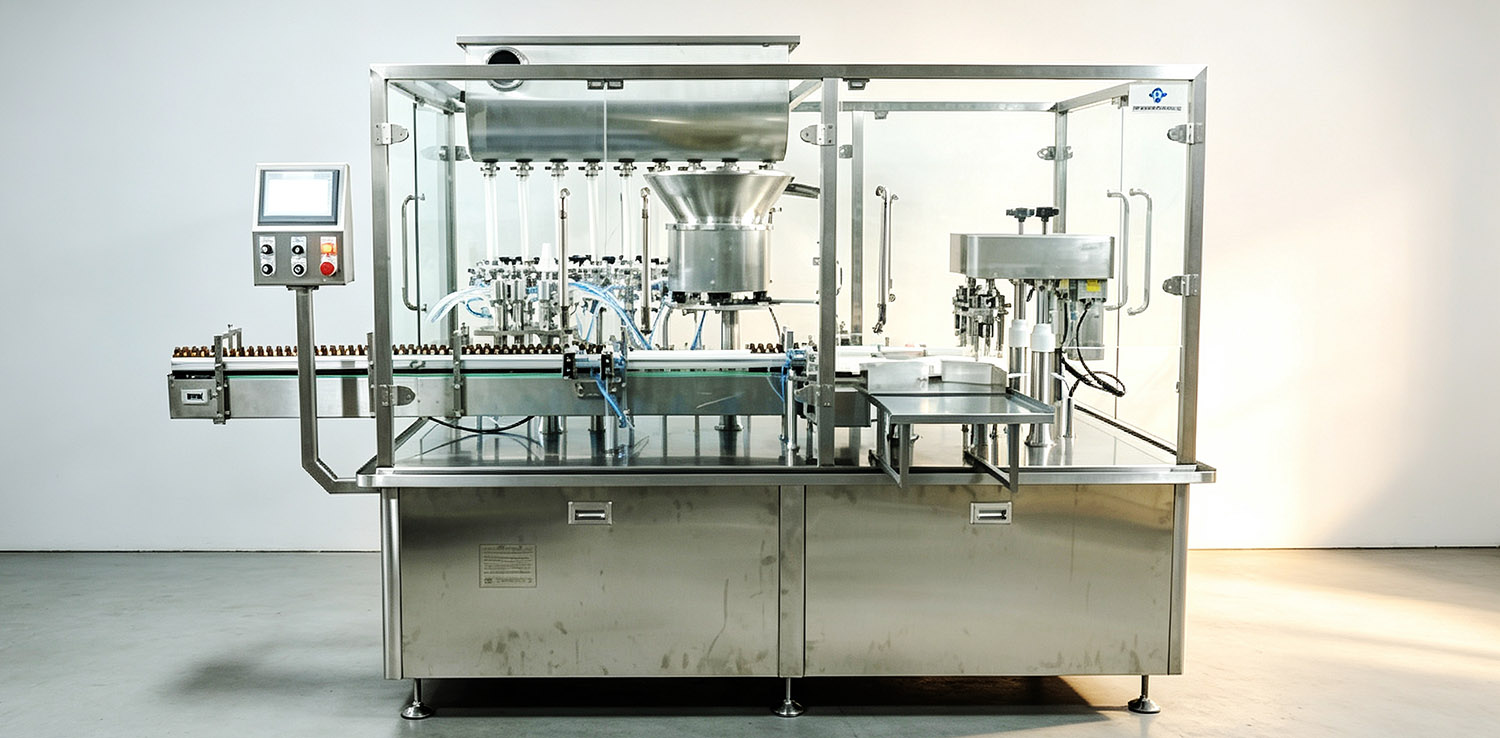
So, you are launching a pharmaceutical, biotech, or cosmetic startup, and you have realized that filling those tiny glass containers by hand is not going to work. Welcome to the world of vial filling machine—this equipment can make or break your production efficiency. But here is the catch: pricing is all over the map, and if you do not know what you are looking at, you could easily blow your budget on features you do not need. Worse still, you could buy a cheap unit that fails validation. This guide is not another boring spreadsheet of numbers. Instead, we are walking you through real-world costs, hidden fees, and negotiation hacks so you can buy a vial filling machine that fits both your production goals and your wallet. No jargon bombs here, just practical advice from someone who has been in the trenches.
Why Startups Need a Dedicated Vial Filling Machine
Let us be honest—when you are starting out, every dollar counts. You might think you can get away with a manual syringe or a repurposed kitchen funnel, but that illusion shatters as soon as you need to fill 500 vials in one shift. A proper vial filling machine is not a luxury; it is your ticket to consistency, sterility, and credibility.
First, regulatory bodies like the FDA or EMA expect reproducible fill volumes. Human error introduces variability because overfilled vials waste expensive product and underfilled ones get rejected. A machine eliminates that gamble.
Second, speed matters a lot. Even a semi-automatic unit can triple your output compared to hand-filling, which means you can actually fulfill sample requests or small-batch orders without pulling all-nighters.
Third, and this is huge for startups: a dedicated machine signals professionalism to investors and partners. When they walk into your lab and see a real filling line, they stop treating you like a garage operation. Yes, it is an upfront cost, but consider it the foundation of your scale-up story.
Core Factors That Determine Vial Filling Machine Price
The sticker price of a vial filling machine is not random at all—it is a mix of engineering choices, material grades, and automation levels. In plain English, here is what moves the needle.
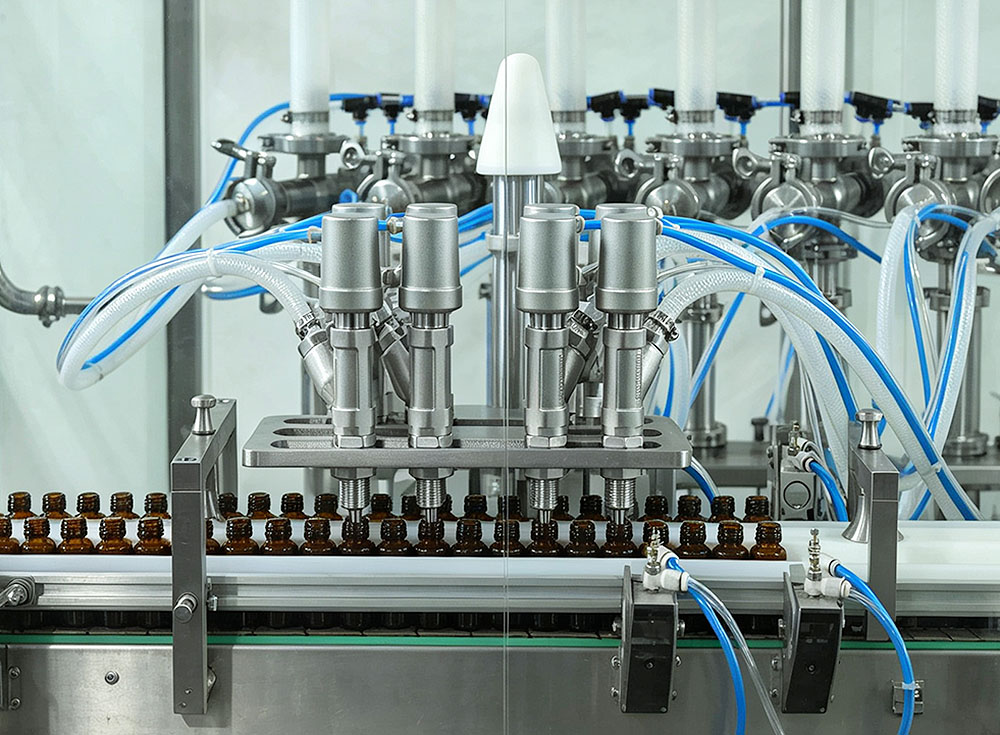
| 1. Production Speed – Machines that do 60 vials per minute cost way less than those doing 300+ vials per minute. Faster speeds usually mean more servo motors and complex cam systems. 2. Fill Volume Range – Micro-dosing at 0.1 mL requires ultra-precise pumps like ceramic or peristaltic types, and these add thousands to the vial filling machine price compared to standard 5–50 mL pumps. 3. Material Construction – Stainless steel 316L is mandatory for pharma, while 304 is cheaper but not GMP-compliant. Also, contact parts like tubing and nozzles, whether silicone or PTFE, affect the cost. 4. Number of Filling Nozzles – Single-nozzle machines are budget-friendly, but multi-nozzle options with 4, 6, or 8 nozzles multiply throughput and also multiply the price tag. 5. Integrated Features – Do you need in-line capping, nitrogen flushing, or UV sterilization? Each add-on module can easily bump the vial filling machine price by 15–30%. Beyond these factors, brand reputation and after-sales support play a role because German or Italian brands command premiums, while Asian manufacturers offer more competitive entry-level pricing. |
 |
Three Main Price Tiers in the Market
Forget the "contact us for price" dance. Here is a realistic breakdown of what startups actually pay, based on 2026 market trends. These are ballpark figures for new equipment, not used or refurbished.
1. Entry-Level (Under $8,000) – These are manual or basic semi-auto units, typically single-nozzle, with a simple foot pedal or timer control. They are great for R&D or pilot batches under 1,000 vials per day, and they do not have fancy HMI touchscreens—just knobs and dials.
2. Mid-Range ($8,000 – $25,000) – This sweet spot covers most startups. You get a semi-automatic or compact automatic machine with a PLC controller, 2–4 nozzles, and speeds of 20–60 vials per minute. Stainless steel 316L is standard, and you can often add a capping station.
3. High-End Production ($25,000 – $70,000+) – These are fully automatic, servo-driven machines with 6+ nozzles, automatic tray loading and unloading, and integrated vision inspection. They are for scale-up phases when you are running 10,000+ vials per shift, and some even include recipe storage for multiple product types.
4. Used/Refurbished (30–50% less) – This is not a tier by itself, but it is worth mentioning. You can snag a mid-range machine for under $10,000 if you buy certified refurbished units, but you must ensure they come with a warranty and calibration certificate.
5. Custom-Built (Price on Request) – If your vial has an odd shape or your product is highly viscous, you will need custom tooling, and you can expect costs of $40,000–$100,000 with long lead times.
6. Chinese Import (Lowest upfront, but watch shipping and duties)—A basic automatic unit might cost $5,000–$12,000 FOB, but after freight, customs, and potential retrofitting, the final vial filling machine price often lands closer to the mid-range.
The bottom line is this: do not just look at the quote—factor in delivery, installation, and training because that $6,000 machine might end up costing $9,000 by the time it is running on your floor.
Manual vs. Semi-Automatic vs. Fully Automatic – A Realistic Comparison
Choosing the right automation level is like picking a car—do you need a commuter, a family SUV, or a sports car? Each option has its place, and the price difference is stark.
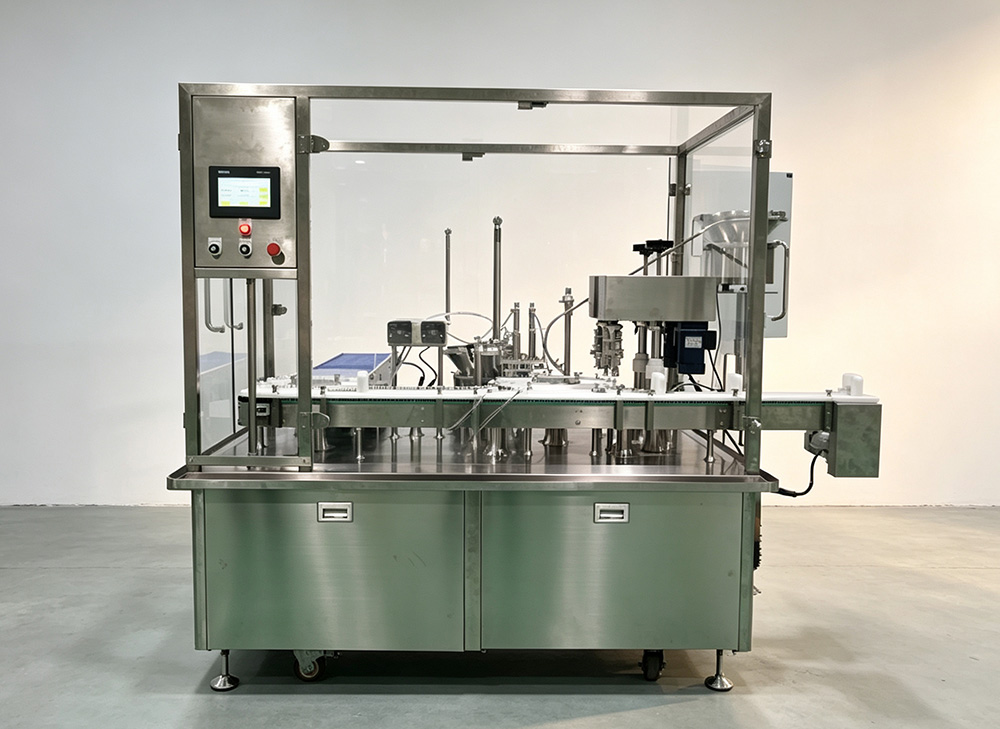 |
1. Manual Machines – You place each vial, press a lever or pedal, and the pump dispenses the liquid. The cost is $1,500–$4,000, and these machines are super simple with no electricity needed because they run on pneumatic or hand-crank systems. However, throughput is painfully slow at 10–15 vials per minute, and operator fatigue is a real issue. These are best for lab-scale trials or very high-value products where you fill just 100 vials per batch. 2. Semi-Automatic – The operator loads vials into a nest or indexing plate, and the machine automatically fills each one when triggered. The price ranges from $5,000 to $15,000, and speed jumps to 20–40 vials per minute. You get a digital display for volume adjustment, and changeover for different vial sizes takes only 10–15 minutes. This is the most popular choice for startups because it is affordable yet productive. |
4. Flexibility Trade-off – Manual and semi-auto machines allow quick changeovers for different products, but fully auto changeovers can take hours and require tools. So if you have multiple SKUs, a semi-auto machine might actually save you time overall.
5. Validation Headache – Fully auto machines generate more data logs, which is great for FDA submissions but also means more IQ/OQ/PQ documentation. Semi-auto systems are simpler to validate, and that is a big win for lean startups.
My take is this: start with a semi-automatic machine unless you already have purchase orders for 10,000+ units. You can always upgrade later and keep the semi-auto as a backup.
Hidden Costs – Consumables and Tooling
The quoted vial filling machine price never tells the full story because consumables and tooling can quietly eat 20–40% of your annual budget if you are not careful. Let us peel back the curtain.
1. Filling Needles / Nozzles – These are wear parts. For every 5,000–10,000 fills, stainless steel needles dull or clog, especially with viscous liquids. Replacement sets cost $50–$300 each, and you will need spares for different vial neck sizes.
2. Peristaltic Pump Tubing – If your machine uses peristaltic pumps, which are common for biopharma, the silicone tubing degrades after each batch due to sterilization cycles. A set of tubes runs $20–$100, and you might replace them weekly in high-throughput settings.
3. Change Parts (Vial nests, pick-up plates, star wheels) – Every time you switch to a different vial diameter or height, you need new tooling. Custom-machined change parts cost $500–$2,500 per size, and for a startup with 3–4 vial sizes, that is a significant upfront addition.
4. Cleaning Validation Supplies – You will need specific cleaning agents, swabs, and rinse water for residue testing. Plus, you might need spare seals and O-rings that can handle your solvent or product, and these are cheap individually but add up over time.
5. Calibration and Maintenance Kits – Annual recalibration of load cells or pressure sensors costs $300–$800. Also, preventive maintenance kits for belts, bearings, and lubrication are often sold separately, not included in the initial sale. Always ask for a 2-year consumables estimate before signing.
Here is a pro tip: negotiate a starter kit of consumables like 50 needles, 10 tube sets, and 2 change parts into your purchase agreement because many suppliers will throw these in to close the deal.
Practical Negotiation Tactics That Actually Work
Suppliers expect you to haggle, but doing it wrong can backfire. Here are five street-smart strategies to lower your vial filling machine price without burning bridges.
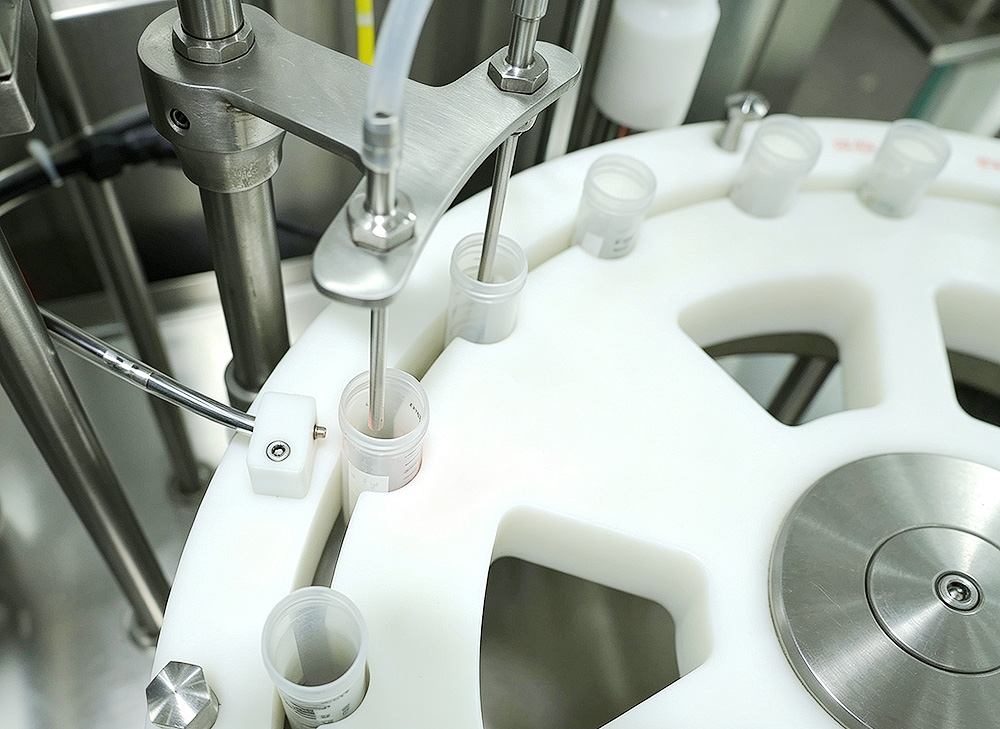
| 1. Ask for "Package Deals" – Instead of just the filler, ask for a bundled offer that includes a capper, labeler, and conveyor. Suppliers often give 10–15% discounts on the total package because they want to lock you into their ecosystem. 2. Leverage End-of-Quarter Timing – Sales reps have quotas. Contact them in the last week of March, June, September, or December because they are more willing to drop margins to hit numbers. I have seen 8–12% discounts just by timing the call right. 3. Request Ex-Demo or Floor Models – Many manufacturers use machines at trade shows or in-house demos. These units have low hours and a full warranty, but they are sold at 20–30% off. Ask explicitly: "Do you have any showroom units available?" 4. Split Payment Terms – Offer to pay 50% upfront and 50% upon successful installation and performance testing. This protects you and gives you leverage if the machine does not meet specs. Suppliers may accept this in exchange for a slightly higher total, but you save on interest or financing. 5. Inquire About Training and Installation Credits – Instead of discounting the hardware, ask for free on-site training worth $1,000–$2,000 or waived shipping fees. These are "soft" costs that do not hurt the supplier's margin as much, so they are easier to get. Remember this rule: never accept the first quote. Always counter with a realistic lower number, say 15% off, and see where they meet you because the worst they can say is no. |
 |
Professional RFQ and Price Comparison Methods
Getting accurate quotes is not about blasting emails to 50 suppliers; it is about asking the right questions in the right format. Here is a systematic approach that saves you weeks.
1. Create a Standardized Technical Specification Sheet – Before you reach out, define your vial size including diameter, height, and neck, fill volume with tolerance like ±1%, target speed in vials per minute, and product viscosity in cPs. Send this same sheet to every supplier so you can compare apples to apples.
2. Use Online B2B Platforms Strategically – Alibaba, IndiaMART, and Global Sources are great for initial sourcing, but you should filter by "verified manufacturer" and "trade assurance." Request at least 3 quotes from each region including China, India, Europe, and the USA to gauge the vial filling machine price spread.
3. Request a Detailed Breakdown – Do not accept a lump-sum quote. Ask for line-item pricing that covers the base machine, nozzles, change parts, PLC, shipping, installation, and training. This reveals hidden fees and lets you strip out what you do not need.
4. Check References and Video Demos – Ask for a live video call where they run your actual product or a simulant through the machine. This is not just for quality checks; it also gives you negotiation power if you spot performance gaps. Plus, suppliers who refuse video demos often have something to hide.
5. Build a "Total Cost of Ownership" Spreadsheet – Include purchase price, estimated annual consumables, maintenance contract, and expected lifespan. Then divide by projected filled vials per year to get your cost per unit. This often reveals that a slightly more expensive machine with lower consumable costs is actually cheaper in the long run.
Here is a pro move: after you get 5–6 quotes, share the best offer with your preferred supplier and ask if they can beat it because honest competition works wonders.
Smart Financing and Leasing Options for Cash-Strapped Startups
Let us face it—even a mid-range vial filling machine can drain your runway. But you do not have to pay 100% upfront because equipment financing and leasing are legitimate paths that preserve your working capital for raw materials and marketing. Here is how to navigate them without getting ripped off.
 |
1. Equipment Loans from Banks or SBA – In the US, SBA 7(a) loans can cover up to 80% of equipment costs with 5–10 year terms. Interest rates are around 6–10%, but you need a solid business plan and some collateral. The good news is that the machine itself serves as collateral, so you do not put up your house. 2. Lease-to-Own (Capital Lease) – You pay monthly rentals for 3–5 years, and at the end, you own the machine for a nominal $1 fee. Monthly payments are typically 2–3% of the total price. This is great if you expect revenue to grow over time, and lease payments are tax-deductible as operating expenses. 3. Operating Lease (Short-Term) – If you are unsure about long-term demand, rent a machine for 6–12 months. Payments are higher at about 5–7% of the price per month, but you can return or upgrade the unit after the term. This is perfect for testing a new product line. 4. Vendor Financing – Many vial filling machine manufacturers have in-house financing arms or partnerships with lending companies. They often offer 0% interest for the first 12 months as a promotion, but you must read the fine print because after the promo period, rates can jump to 18–25%. Always calculate the APR. |
5. Grants and Government Subsidies – In some regions like the EU's Horizon or US SBIR grants, you can apply for funds to purchase manufacturing equipment for innovative health products. It is competitive, but if you are developing a novel drug or vaccine adjuvant, this can cover 30–50% of your vial filling machine price. It is worth spending a week on the application.
My advice is to combine a small down payment of 20–30% with a lease-to-own agreement because this keeps your monthly obligations low while building equity. Also, always include a buyout clause so you are not trapped if you want to sell the machine later.
Buying a vial filling machine as a startup is less about finding the absolute lowest price and more about matching capability to your actual production needs. We have covered the real cost drivers like speed, materials, and automation level, and we have debunked the myth that manual is always cheaper because labor costs catch up fast. The three price tiers give you a roadmap, but remember to bake in consumables and tooling from day one. Negotiation is not aggressive; it is about timing, bundling, and asking for soft perks. And do not overlook financing because leasing can turn a $30,000 machine into a manageable $600 monthly expense. Ultimately, the right machine is the one that grows with you: it is easy to validate, simple to change over, and backed by a responsive supplier. Take your time, compare total cost of ownership, and never rush a decision based on a flashy demo. Your future self—the one running 50,000 vials a day—will thank you.
FAQ
1. What is the average vial filling machine price for a startup?
For most startups, a reliable semi-automatic unit falls between $8,000 and $15,000. Fully automatic systems start around $25,000, while manual options can be under $4,000. Always add 10–20% for shipping, installation, and initial tooling.
2. Can I use a used vial filling machine to save money?
Absolutely, but only if it comes with a performance certificate, spare parts availability, and at least a 90-day warranty. Refurbished units from reputable dealers often cost 40–50% less than new ones, but avoid "as-is" sales unless you have an in-house engineer.
3. How do I know if I need semi-automatic or fully automatic?
Calculate your daily batch size. If you fill fewer than 2,000 vials per day, semi-auto is sufficient. Above 5,000 vials per day, automatic becomes cost-effective. Also consider changeover frequency because semi-auto wins if you have many SKUs.
4. What hidden fees should I watch out for in a quotation?
Look for separate charges for palletizing, export crating, documentation like CE/FDA compliance papers, and on-site commissioning. Also ask if the quoted vial filling machine price includes the first set of change parts because often it does not.
5. How long does it take to recoup the investment in a vial filling machine?
If you are replacing manual labor, calculate your labor cost per shift. A $12,000 machine that saves two full-time employees at $40,000 each per year pays back in under 4 months. Even with consumables, most startups see ROI within 6–12 months.