
What Are Common Problems with Granulators System?
What Are Common Problems with Granulators System?
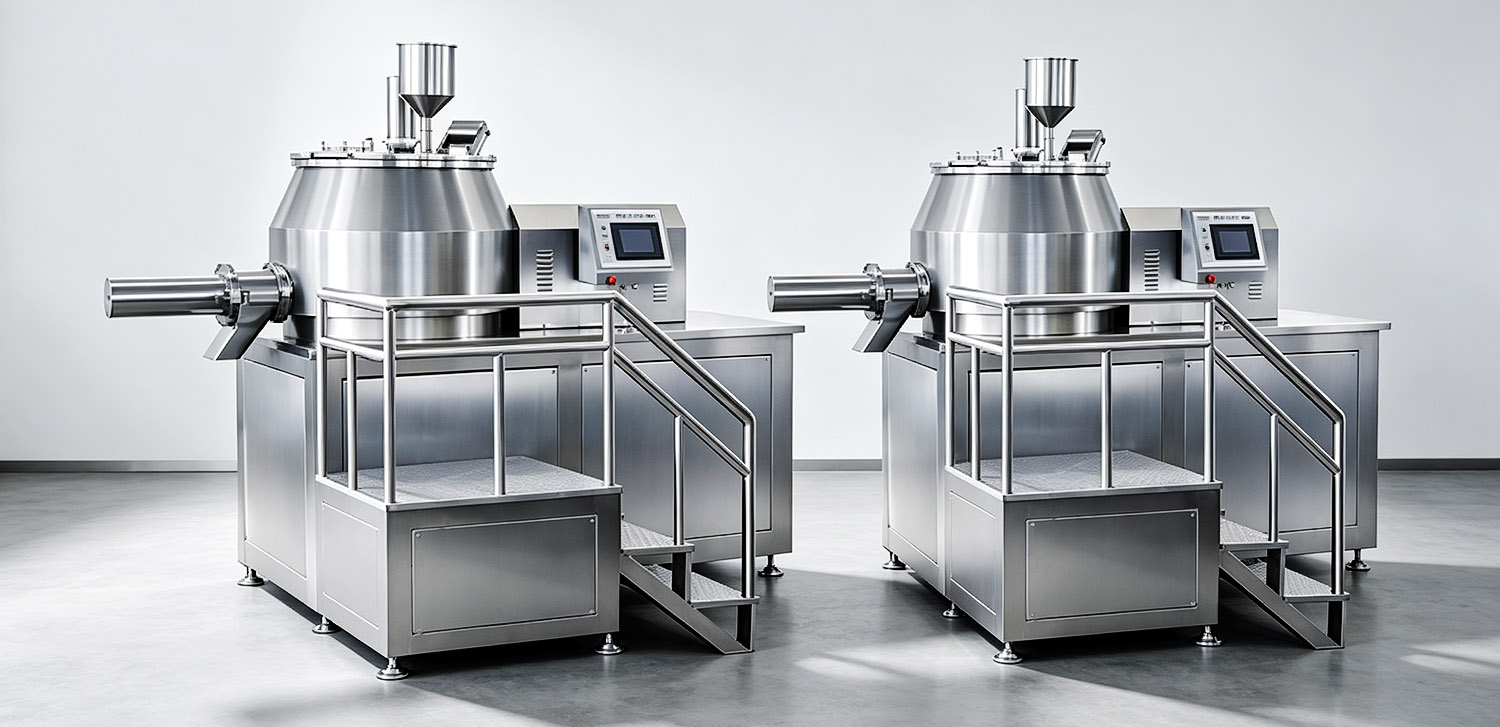
If you work in pharma manufacturing, you know a reliable granulators system matters a lot to your production line. Whether you use a fluidized-bed unit or a high-shear mixer, these machines turn powders into uniform granules. Those granules later become tablets, capsules, or controlled-release drugs. But even the best equipment can have hiccups. I have spent years fixing these systems, and I can tell you most problems are preventable if you know what to look for.
In this article, I will go over six common issues I have seen with granulators system setups in real GMP plants. More important, I will share practical solutions that have worked in the field. These tips can save you hours of downtime and keep your batches consistent. Let us get started.
Uneven Granule Size and Poor Particle Distribution
After a production run, operators see that the final granules differ a lot in size. Some are too big and dense. Others stay as fine powder. This unevenness causes trouble in downstream steps like tablet compression. You get weight variation, capping, or lamination.
Root Causes:
- The binder spray rate is too high or too low for that batch size.
- Impeller speed or chopper settings do not match the formulation.
- You did not mix long enough before adding the binder, so liquid spreads unevenly.
- Raw material particle size or density varies too much.
Solutions:
- Calibrate spray nozzle pressure and flow rate per the batch protocol.
- Adjust impeller and chopper speeds based on trial data and scale-up results.
- Make sure you have a dry-mixing phase long enough before you add binder.
- Pre-screen raw materials to keep particle size and bulk density steady.
Material Sticking to Chamber Walls and Agglomeration
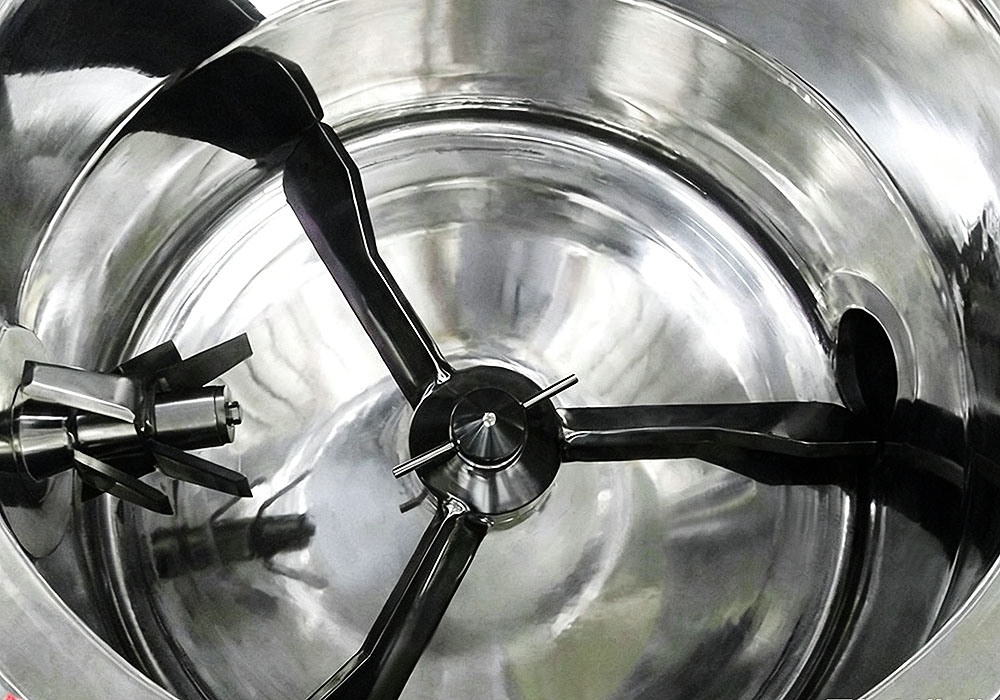
During granulation, wet mass starts sticking to the inside walls of the bowl or fluidized-bed chamber. Over time, this buildup turns into hard, large agglomerates. That lowers your batch yield and hurts product uniformity.
Root Causes:
- Binder concentration is too high, so the wet mass gets too sticky.
- Inlet air temperature in fluidized beds is not high enough to stop surface wetting.
- The bowl does not have a good anti-stick coating or a smooth finish.
- Spray rate is too high, causing local overwetting before drying can happen.
Solutions:
- Lower the binder concentration or use a less sticky binding agent.
- Raise inlet air temperature slowly and watch the exhaust temperature.
- Check the bowl surface for scratches or wear on the polished finish.
- Adjust the spray pattern so it covers the powder bed evenly.
Incomplete Drying and Excessive Moisture Content
At the end of the drying cycle, QC tests show moisture levels above the specification. Too much moisture can lead to microbial growth, poor flow, and stability problems during storage.
Root Causes:
- Drying time or inlet air temperature is not enough for the batch volume.
- Airflow is low because filters are clogged or exhaust ducts are blocked.
- The product bed is too deep for that equipment model.
- Room humidity is too high, so drying is less effective.
Solutions:
- Extend drying time and check that exhaust air temperature hits the set endpoint.
- Clean or change intake and exhaust filters according to your maintenance schedule.
- Reduce batch size or spread the product more evenly to improve air penetration.
- Keep room humidity under control, ideally below 45% RH during processing.
Excessive Dust and High Fine Particle Content
After you discharge the batch, you see too many fines or dust. That cuts your usable yield, raises cross-contamination risk, and makes downstream handling harder.
Root Causes:
- Over-granulation from too much chopper or impeller action breaks granules apart.
- Not enough binder, so granules are weak and crumble easily.
- Pneumatic conveying or vacuum transfer is too rough and causes attrition.
- Fluidization air velocity is too aggressive and grinds particles in the bed.
Solutions:
- Cut chopper speed or time to avoid over-processing the wet mass.
- Slightly increase binder amount or adjust the binder-to-powder ratio.
- Use gentler transfer methods, like gravity discharge or low-speed vacuum.
- Lower fluidization air speed to keep the bed moving gently but steadily.
Abnormal Vibration and Unusual Noise During Operation
The system starts making loud, irregular noises or shakes noticeably. Operators can feel the vibration through the frame. In bad cases, safety interlocks trip and shut down the machine.
Root Causes:
- Bearings, belts, or gearboxes are worn and cause imbalance.
- Foreign objects like dropped tools or loose parts got into the chamber.
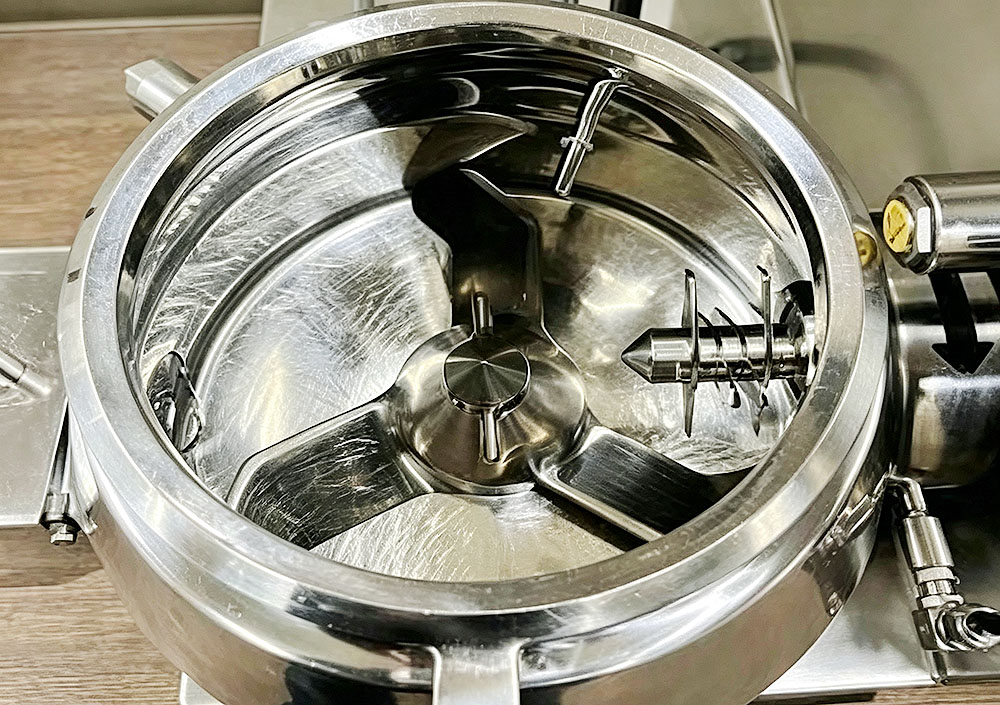
- Impeller or chopper blades are misaligned, damaged, or not seated right after cleaning.
- Foundation bolts or vibration mounts have loosened over time.
Solutions:
- Inspect and replace worn bearings, belts, or gearbox parts during scheduled maintenance.
- Always do a visual check of the chamber before each batch, using a checklist.
- Make sure all blades are installed, torqued, and balanced properly after every CIP cycle.
- Tighten foundation bolts and check vibration mounts every three months.
Spray Nozzle Clogging and Binder Distribution Issues
The binder does not atomize well, or the spray pattern is uneven. Sometimes the nozzle clogs fully and stops binder flow, so you have to abort the batch.
Root Causes:
- The binder solution has undissolved particles or precipitated during storage.
- Nozzle orifice size does not match the binder viscosity.
- Atomizing air pressure is too low for good droplet formation.
- Leftover binder from the last batch dried inside the nozzle and blocked it.
Solutions:
- Filter all binder solutions through a suitable mesh before you put them in the spray system.
- Pick a nozzle size that fits your binder's viscosity and solids content.
- Keep atomizing air pressure within the manufacturer's recommended range.
- Flush and clean the nozzle thoroughly right after every batch.
Preventive Maintenance Tips to Keep Your System Running Smoothly
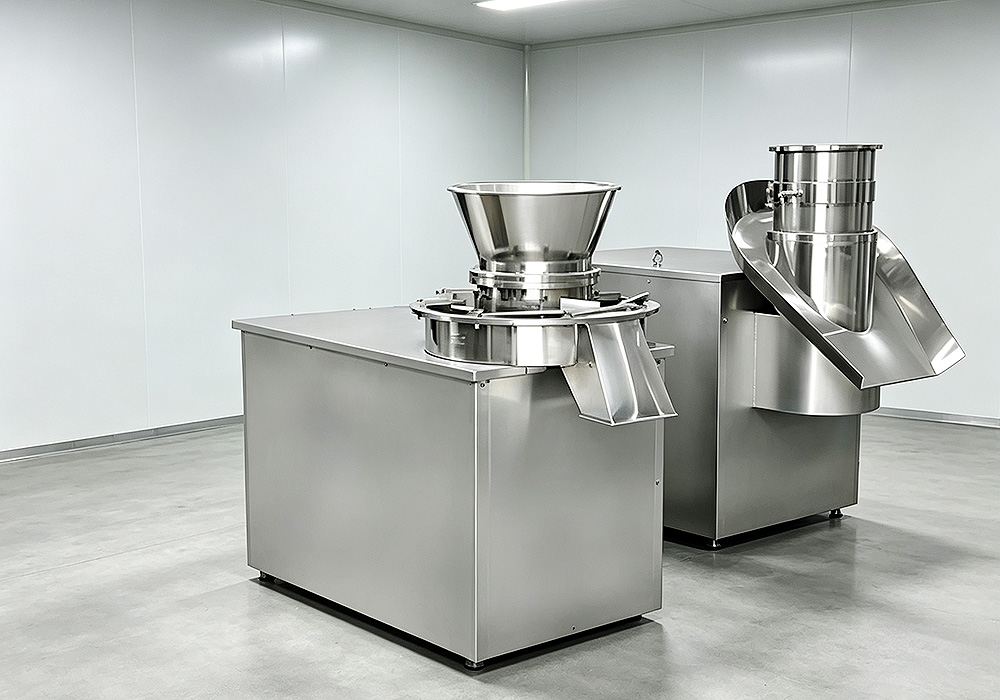
A well-cared-for granulation system can last decades, but only if you treat preventive maintenance as seriously as production. Over the years, I have seen that plants with the least downtime are the ones with a strict maintenance routine. As a trusted equipment maker, Mic Machinery always says that proactive care beats reactive repairs every time.
Maintenance Best Practices:
- Set up a detailed preventive maintenance calendar. Include filter changes, seal checks, and lubrication.
- Train operators to spot early signs like temperature drift, pressure changes, or odd sounds.
- Keep a full stock of spare parts on site—nozzles, gaskets, bearings, filters.
- Log every maintenance job and every batch deviation. That builds a useful history for troubleshooting.
- Calibrate all temperature, pressure, and flow sensors once a year to keep accuracy.
- Work with your supplier to get updates on software and design improvements.
Running a pharma production line is hard enough without fighting your equipment every day. The good news is that most problems with this system are preventable when you know the root causes and apply the right fixes. From uneven particle size to nozzle clogging, the issues we covered are common—but they do not have to stay that way. Good operator training, strict preventive maintenance, and careful control of process parameters will keep your granulation line running well and your product quality high. If you need expert advice or reliable equipment, reach out to a team that understands your needs.
FAQ
1. How often should I clean and inspect the spray nozzles on my granulators system?
You should flush and visually check nozzles after every batch. Do a deep clean with solvents at least once a week—more often if you run sticky or high-solids binders.
2. What is the ideal moisture content for pharmaceutical granules after drying?
Most pharma granules aim for 1% to 3% final moisture, but that depends on your formulation. Always follow your product spec and check the drying endpoint with LOD or Karl Fischer testing.
3. Can I use the same process parameters for different batch sizes in my granulators system?
Not directly. You have to adjust impeller speed, spray rate, and drying time when you scale up or down. Follow a formal scale-up plan and validate each batch size separately to keep granule quality consistent.
4. Why does my granulators system produce more fines in winter compared to summer?
Winter air is drier and colder. That changes powder properties—more static, more cohesion—and colder inlet air may need longer drying. Watch your HVAC system and adjust parameters for the season.
5. How do I know when it is time to replace the bearings or seals in my granulation equipment?
Watch for more vibration, strange noise, heat in the drive housing, or visible wear during inspection. Most makers suggest replacement based on runtime—about 8,000 to 12,000 hours—but always check your manual.