
What is a Labeling Machine and How Does it Work | MIC
What is a labeling machine and how does it work?
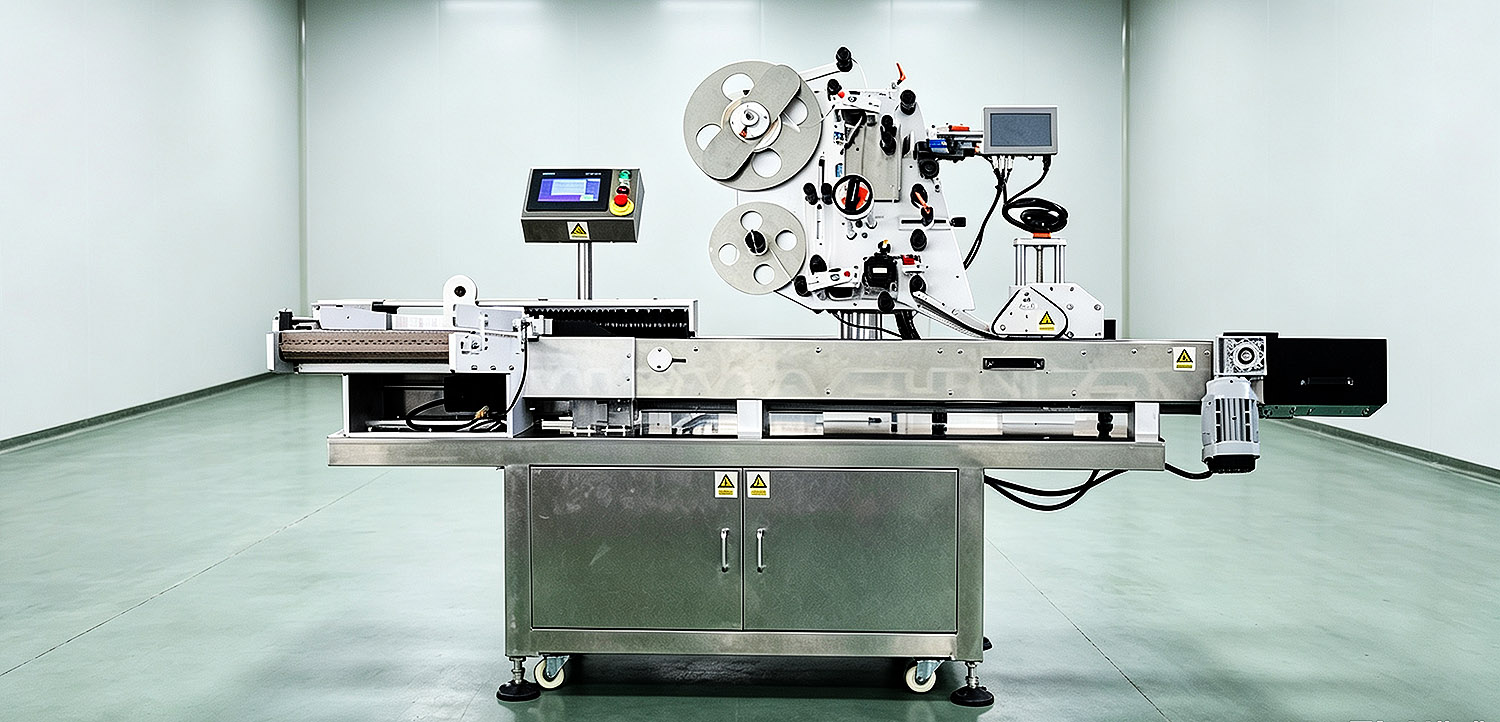
If you own or run a pharmaceutical, medical device, or diagnostic production line, you know labeling is never just a “packaging step”. Misaligned labels, missing UDI codes, unreadable batch info, or inconsistent placement can lead to product recalls, regulatory fines, and wasted inventory. This is why a professional labeling machine is a core device for modern medical manufacturing. Manual labeling relies on human labor. An automated labeling machine gives precise, consistent, and compliant labeling for all medical packaging. In this guide, we explain everything you need to know. We cover working principles, machine types, real applications, benefits, and how to choose reliable labeling machine manufacturers.
What Is a Labeling Machine?
A labeling machine is an automated packaging device. It is designed to apply self-adhesive labels accurately and stably on various containers and medical consumables. It replaces error-prone manual labeling. It standardizes product marking for industrial and medical production. Ordinary commercial labelers focus only on sticking labels. Medical-grade models are built for strict cleanroom environments, hygiene standards, and healthcare compliance rules.
This professional labeling machine is tailored for the medical industry. It fits tiny, fragile products. These include vaccine vials, ampoules, reagent tubes, syringes, and oral liquid bottles. It integrates labeling, printing, scanning, and inspection in one system. This is far more functional than basic labeling equipment. It beautifies product packaging. It also realizes full lifecycle traceability for medical products.
For pharmaceutical factories, the biggest value of a labeling machine is eliminating human-caused errors. It avoids crooked labels, air bubbles, missing markings, and blurred production information. This ensures every finished product meets GMP and global medical regulatory requirements.
How Does a Labeling Machine Work?
Many factory owners think labeling machines works simply by “sticking labels automatically”. But the internal workflow is a precise, sensor-controlled closed-loop system. Every step is digitally calibrated. This ensures zero errors in high-speed continuous production. The line can run steadily at 40 to 200 bottles per minute.
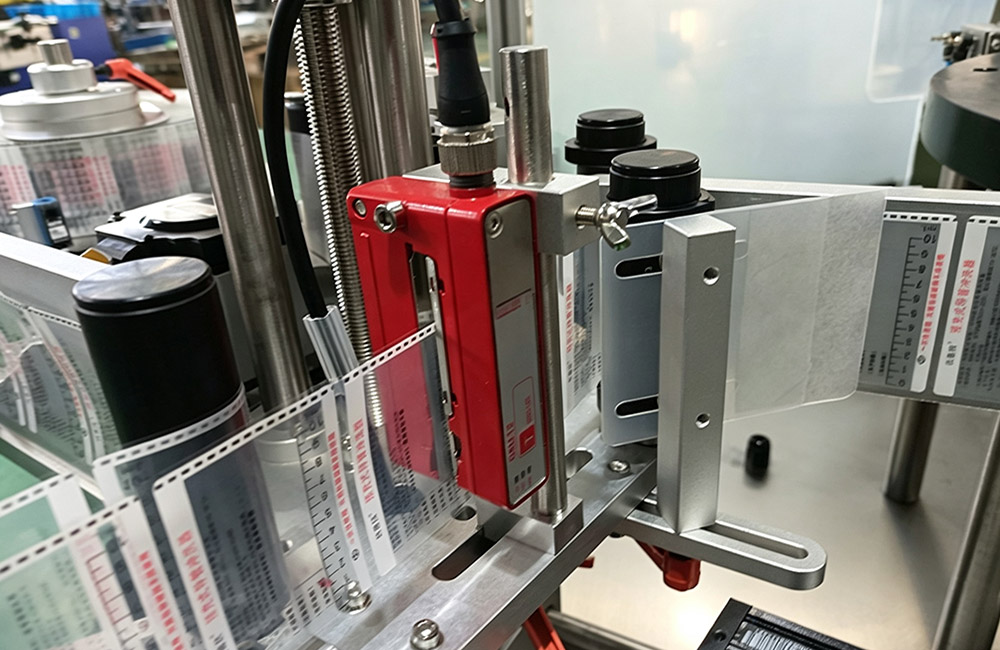
•Automatic material feeding: The servo motor system steadily outputs label rolls with constant tension. This prevents label tearing, wrinkling, or overlapping during long-term operation.
•Product induction detection: High-precision photoelectric sensors identify incoming products. They trigger the labeling system automatically. This realizes fully unmanned operation.
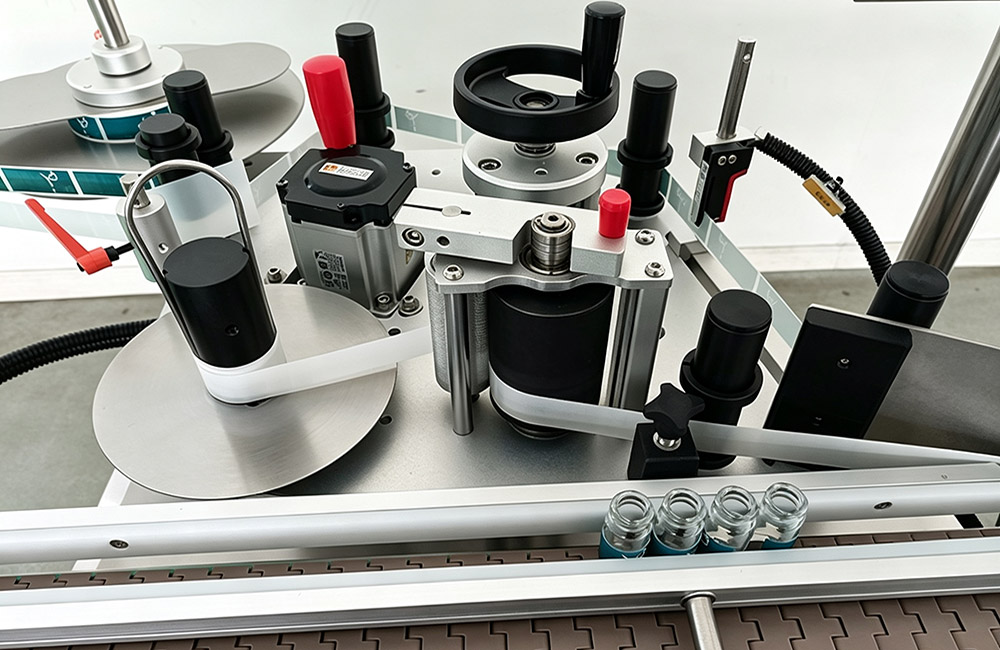
•Precise label peeling and application: The equipment automatically separates labels from the backing paper. It attaches them to the fixed position of the container instantly.
•Compression and shaping: Soft pressure rollers flatten the labels completely. They remove air bubbles. This ensures tight fitting and flat appearance.
•Online inspection and rejection: The vision system checks label position, clarity, and barcode validity. It automatically removes unqualified products. This avoids defective outflow.
The entire working process is controlled by a mature PLC intelligent system. After parameter setting, it requires almost no manual intervention. It guarantees consistent labeling effects for each batch. It solves the instability problem of manual operation fundamentally.
Common Types of Labeling Machine
There is no universal labeling machine for all medical products. Different packaging shapes, sizes, and production speeds require matched equipment types. Professional manufacturers classify machines according to medical production scenarios. This meets differentiated production needs.
•Vial and ampoule labeling machine: This design is for small cylindrical medical containers. It suits vaccine vials, ampoules, and oral liquid bottles. It supports high-speed wrap-around labeling.
•Tube labeling machine: This design is specialized for slender reagent tubes and blood collection tubes. It solves the problem of easy rolling and difficult positioning of tubular products.
•Syringe labeling machine: This design is customized for pre-filled syringes. It has an anti-collision design. This protects sterile structures and ensures safe and accurate labeling.
•Flat surface labeling machine: This design is applied to medical cartons, test kits, and flat packaging. It realizes uniform labeling of planar products.
Each type of labeling machine has targeted structural optimization. Factories can select equipment according to their mainstream products. This avoids equipment mismatch and low production efficiency.
Core Application Scenarios of Labeling Machines
Medical and pharmaceutical industries have the strictest requirements for product labeling. This is why labeling machines have become standard supporting equipment for major medical production lines. Their application coverage runs through the entire medical product manufacturing process.
•Pharmaceutical injection production: The machine labels vaccine vials, injections, and oral liquids. It marks batch numbers, expiration dates, dosage specifications, and production information for drug traceability.
•Clinical laboratory consumables: The machine labels reagent tubes, sample test tubes, and detection containers. This ensures accurate sample identification and avoids experimental confusion.
•Medical device packaging: The machine completes UDI standard labeling for syringes, disposable medical kits, and surgical accessories. This meets global medical device supervision requirements.
•Healthcare small bottle packaging: The machine suits disinfectant liquids, medical care solutions, and other small bottled products. It standardizes product exterior identification.
In all above scenarios, the labeling machine undertakes the core task of product identity marking. It is key equipment to ensure product safety, standardized circulation, and traceable quality in the medical industry.
Key Advantages of Automatic Labeling Machines
More and more medical factories are abandoning manual labeling. They fully adopt automatic labeling machines. The main reason is that automated equipment can solve many pain points that manual operation cannot overcome. It brings long-term economic and quality benefits.
•Ultra-high labeling accuracy: Servo intelligent control ensures label error within a tiny range. It completely avoids offset, wrinkling, and missing labels. The batch effect stays consistent.
•Improve production efficiency: The stable operating speed of 40-200 units per minute far exceeds manual efficiency. It effectively improves the output capacity of the entire packaging line.
•Meet strict compliance standards: Built-in inspection and data recording functions meet GMP, UDI, and other medical industry specifications. This helps factories pass official audits smoothly.
•Reduce contamination risks: There is less manual contact with sterile products. This effectively avoids secondary pollution and protects the sterile environment of medical products.
In the long run, a high-quality labeling machine can greatly reduce labor costs, product scrap rates, and after-sales risks. It creates stable profit margins for medical manufacturing enterprises.
Must-Have Features for Medical-Grade Labeling Machines
Ordinary industrial labeling machines cannot be used in medical cleanrooms. Medical-grade equipment has strict industry-specific standards in material, structure, and function. These are key factors for factory procurement inspection.
•Cleanroom-grade material: The body uses 304/316 stainless steel. It is smooth and easy to clean. It has no dust accumulation. It meets sterile production requirements.
•Intelligent visual inspection system: It is equipped with high-definition cameras and barcode scanners. It realizes real-time detection of label quality and information validity.
•Quick-change fixture design: It supports fast switching of different product specifications. It needs no complicated debugging. This reduces production line downtime.
•Humanized intelligent operation: It has a multilingual touch screen and simple parameter setting. The operator learning cost is low. It suits industrial mass production.
When purchasing, enterprises must focus on medical-specific functional configurations, not just price. This ensures the equipment adapts to formal medical production and audit standards.
Daily Operation and Maintenance Guidelines
A high-performance labeling machine needs standardized maintenance. This keeps it stable for a long time. Many equipment failures in factories are caused by irregular daily maintenance. This affects production progress.
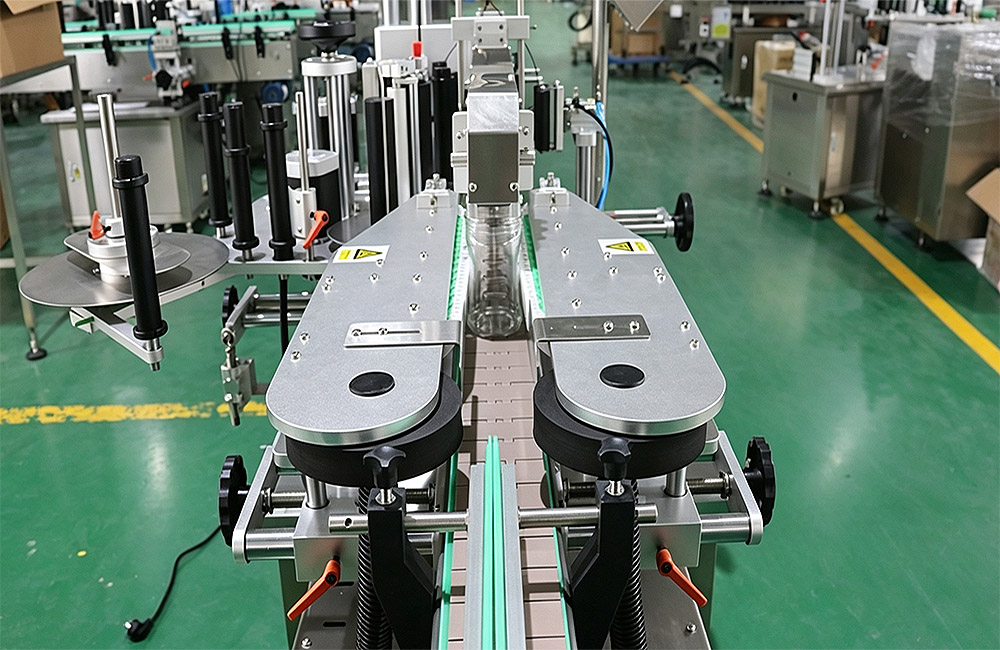
•Daily cleaning: Clean residual label glue and dust on rollers and sensors after daily production. This avoids affecting subsequent labeling accuracy.
•Regular component inspection: Check the wear of conveyor belts, pressure rollers, and sensors regularly. Replace vulnerable parts in advance.
•Timely calibration: Calibrate the induction system and labeling positioning regularly. This ensures no offset after long-time operation.
•Professional after-sales debugging: Use remote diagnosis and on-site service support from manufacturers. This solves equipment faults quickly.
Standardized maintenance can effectively extend the service life of the labeling machine. It reduces failure rate. It ensures the long-term stable operation of the production line.
How to Choose Reliable Labeling Machine Manufacturers
Equipment quality and after-sales service depend largely on your choice of labeling machine manufacturers. For medical industry procurement, industry experience and compliance capability matter far more than low prices.
•Focus on medical industry experience: Prioritize manufacturers that focus on medical and pharmaceutical packaging equipment. They need mature cleanroom equipment R&D and production experience.
•Verify customization ability: Excellent manufacturers can provide personalized equipment transformation according to special product sizes and production line layouts.
•Check complete service system: Confirm whether the supplier provides installation commissioning, technical training, spare parts supply, and long-term after-sales support.
•Confirm compliance qualification support: The supplier should provide complete equipment qualification documents. This assists factory GMP audit and product compliance certification.
Choosing a professional labeling machine manufacturer can avoid various hidden troubles in later production. It ensures stable and compliant operation of the production line for a long time.
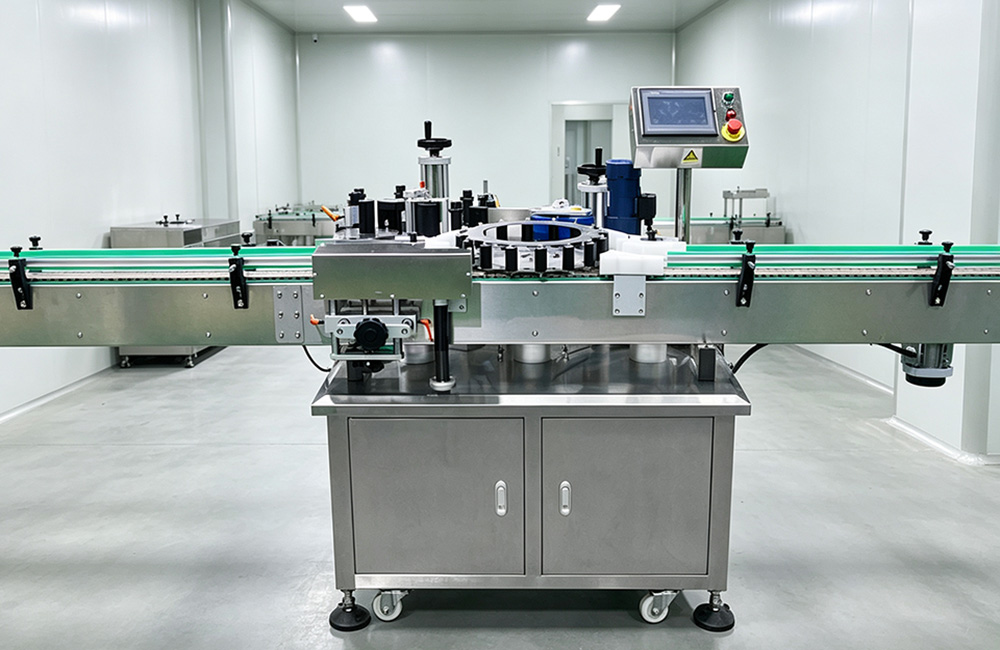
A high-quality labeling machine is an indispensable core equipment for modern medical and pharmaceutical production. It improves packaging efficiency and appearance uniformity. More importantly, it guarantees product safety, traceability, and regulatory compliance. This article systematically explains its definition, working principle, classification, application, advantages, purchasing points, and maintenance skills. It also explains how to select qualified labeling machine manufacturers. For medical factories pursuing standardized production and long-term development, investing in a professional medical-grade labeling machine is a cost-effective and necessary choice.
FAQ
1: What products can a medical labeling machine label?
It is compatible with most medical packaging products. These include vaccine vials, ampoules, reagent tubes, blood collection tubes, syringes, medical test kits, and various small bottled medical liquids. It covers mainstream medical packaging specifications.
2: What is the production speed of a standard medical labeling machine?
Most conventional medical labeling machines run at 40-200 bottles per minute. The specific speed can be adjusted according to product specifications and production line requirements. This balances efficiency and labeling accuracy perfectly.
3: Is visual inspection function necessary for medical labeling?
Yes. It is absolutely necessary. Medical products have strict supervision standards. The visual inspection system can automatically screen unqualified labeling products. This prevents non-compliant products from entering the market and avoids regulatory risks.
4: Can the labeling machine be connected with existing production lines?
Yes. Professional labeling machine manufacturers support personalized docking transformation. The equipment can perfectly match filling, capping, and cartoning machines. This forms a fully automatic integrated packaging production line.
5: How to extend the service life of labeling equipment?
Daily cleaning and regular inspection of vulnerable parts are the core. Work with manufacturers’ regular maintenance services. Avoid overload operation. This can effectively reduce failure rate and extend equipment service life.