
What Is Ampoule Filling Machine and Its Key Practical Uses
What Is Ampoule Filling Machine and Its Key Practical Uses
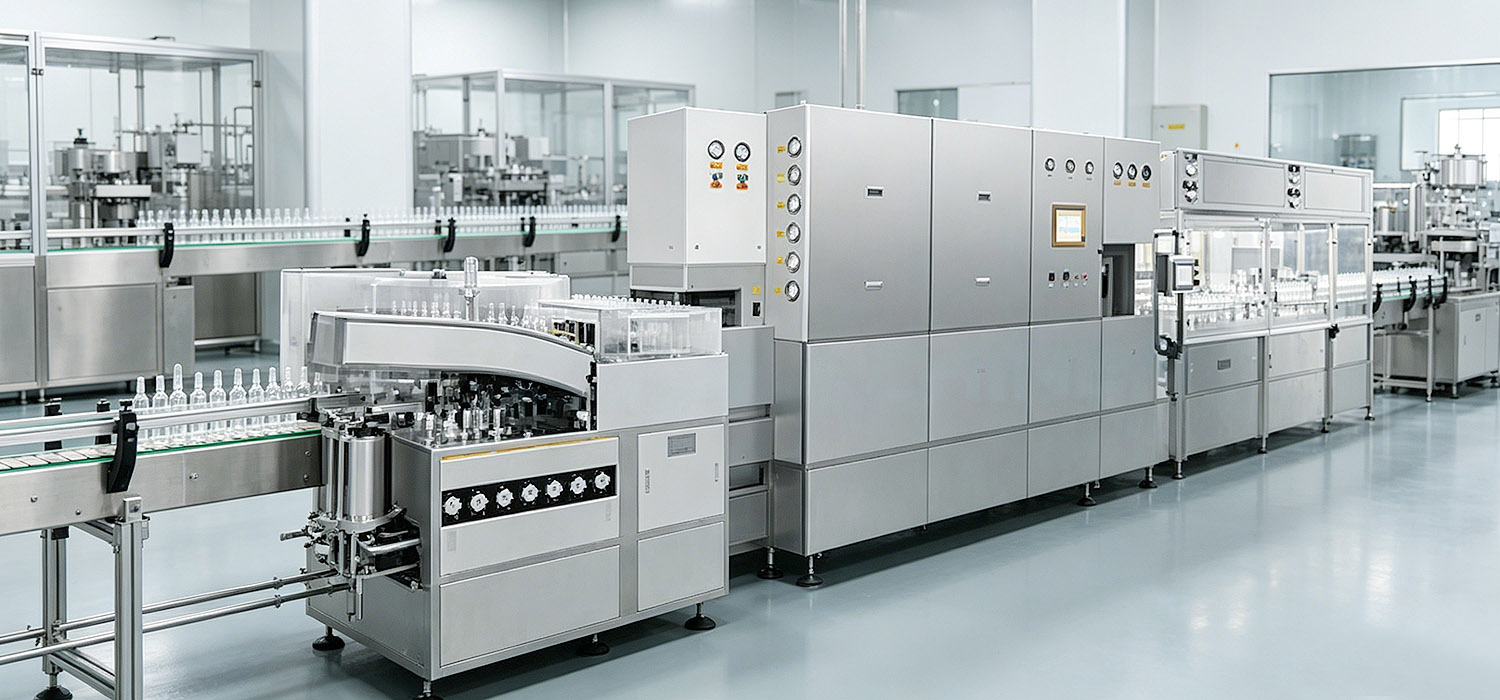
Have you ever wondered how tiny glass ampoules holding vaccines and beauty essences are filled with liquid so precisely? This article is for you. As a guest post, it covers the definition, core functions, and uses of an ampoule filling machine. The language is plain and easy to follow, and there is no difficult jargon. You will get useful industry insights here. This smart equipment cuts working hours, reduces raw material waste, and keeps products safe. Let us start learning about it.
What Is an Ampoule Filling Machine
So what exactly is an ampoule filling machine? It is a special device that puts liquid products into small glass ampoules and then uses heat to seal their necks. The pharmaceutical and cosmetic industries use it widely because they need sterility and accurate filling. Think of it as a smart automated system. It measures out drugs or essences exactly, puts them into tiny bottles, and then melts the glass neck with high heat to make a tight seal. No liquid spills out during the whole process.
• It works with all common ampoule sizes from 1ml to 20ml.
• It uses pumps, pistons, or peristaltic systems to control the dose very precisely.
• It seals the glass with a gas flame or electric heating.
• Most models run fully automatically to boost speed and keep results consistent.
• Most units also have Clean-in-Place (CIP) systems, so cleaning is easy.
Core Practical Applications of Ampoule Filling Machines
Many everyday products depend on ampoule filling machines. These machines are not just for big factories. Clinics, labs, and even small beauty brands use them. Below are five main use cases, and all of them need strict filling accuracy and sterile conditions. This machine handles those needs perfectly.
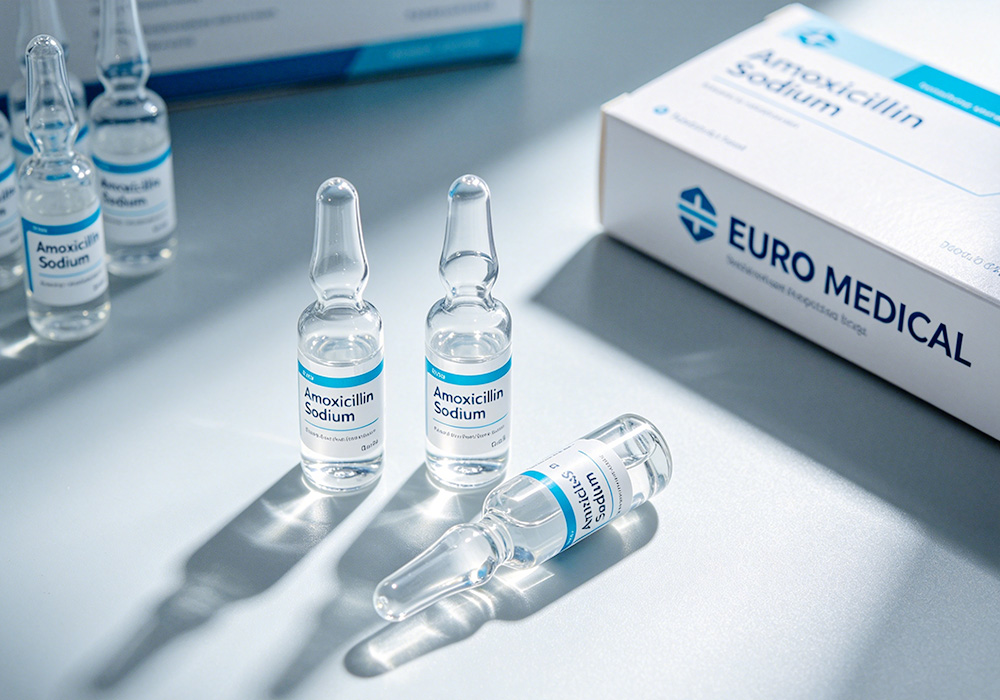
1. Pharmaceutical Preparations: Vaccines, insulin, and liquid antibiotics go into ampoules for safe single-dose packaging.
2. Cosmetic Essences & Serums: Hyaluronic acid, vitamin C, and other active skincare concentrates are packed in sealed ampoules.
3. Veterinary Medicines: Liquid treatments for pets and farm animals are filled and sealed by this equipment.
4. Laboratory Reagents: Chemical solutions and test samples are filled for research and experiments.
5. Essential Oil Products: Aromatherapy oils are packed in small ampoules to keep them fresh and easy to carry.
Main Types of Ampoule Filling Machines
The market offers many types of ampoule filling machines, so you can choose based on your budget and how much you need to produce. Manual versions cost little and work for small batches. Fully automatic units handle large factory production. Five main types are common, and each has pros and cons. Picking the right model is very important.
1. Manual Machine: Low purchase cost, but you do all filling and sealing by hand. Good for labs and new brands.
2. Semi-Automatic Machine: Some parts are automated, so filling is faster, but you still load ampoules by hand.
3. Fully Automatic Inline Machine: Everything from feeding to sealing is automated. Perfect for high-volume assembly lines.
4. Rotary Machine: It has a rotating turntable, so it runs continuously at high speed.
5. Peristaltic Pump Machine: The pump does not touch the liquid. This is good for sterile liquids and for liquids that oxidize easily.
Working Principle of Ampoule Filling Machines
Anyone who watches an ampoule filling machine run will be impressed by its neat and efficient work. Empty ampoules go into the machine, and within seconds cleaning, filling, and sealing are done. There are five core steps inside the machine. Understanding these steps shows you how the equipment always delivers sterile packaging.
1. Feeding: Ampoules move one by one into a hopper or onto a conveyor belt.
2. Cleaning: Hot air or a vacuum system removes dust and dirt from each ampoule.
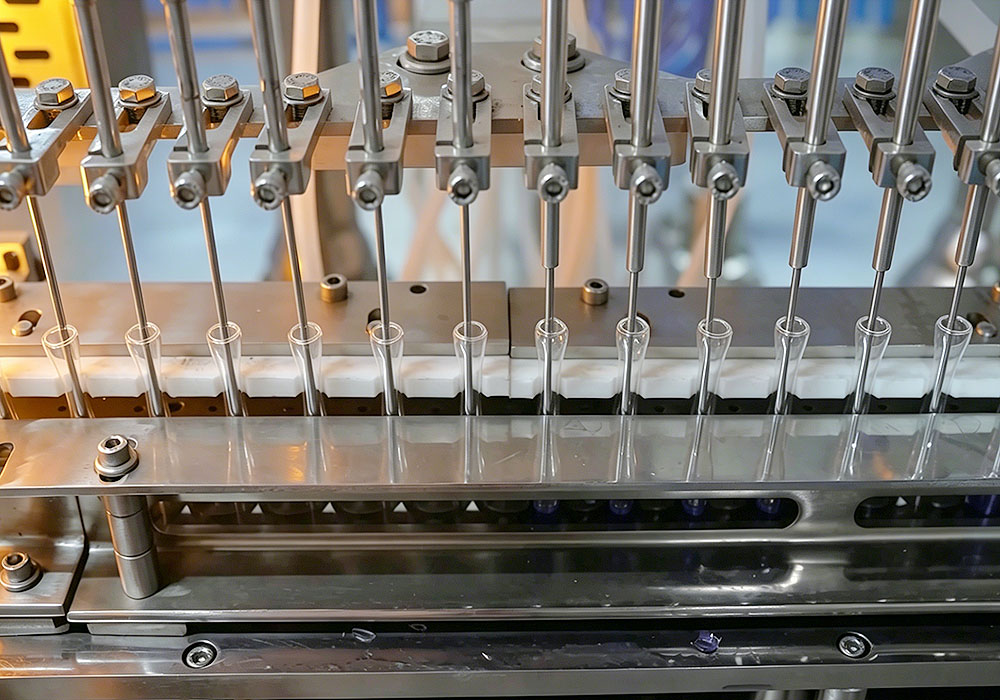
3. Filling: Nozzles pump the exact amount of liquid into every ampoule.
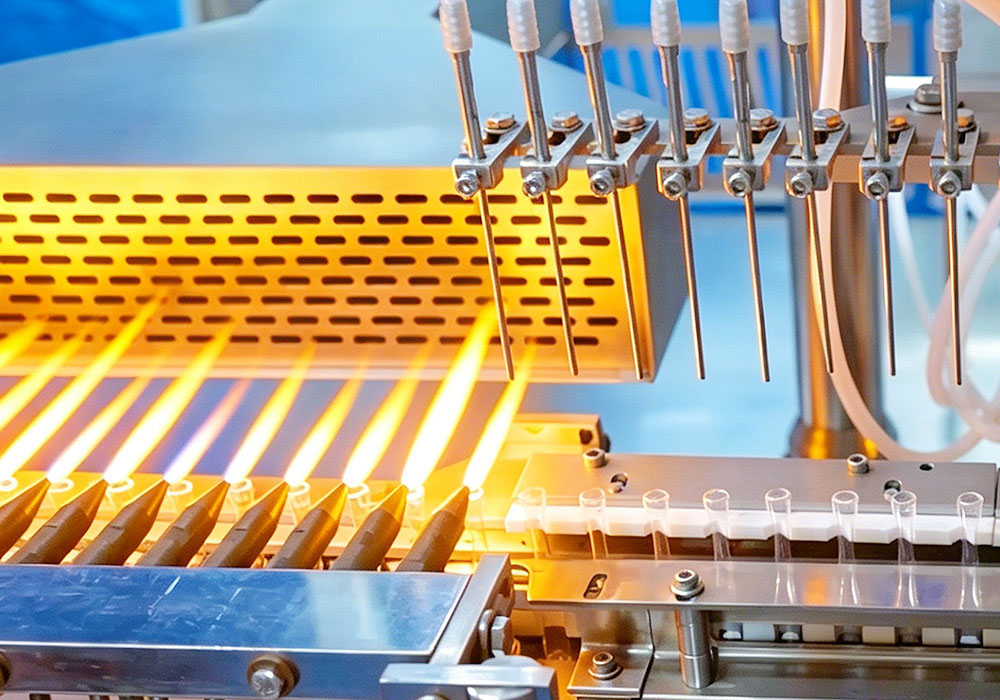
4. Heat Sealing: Gas burners or electric heaters melt the glass neck to make a complete airtight seal.
5. Discharging: Finished ampoules slide onto trays or conveyors for quality checks and packaging.
Core Advantages of Deploying Ampoule Filling Machines
Why do manufacturers buy ampoule filling machines? The simple answer is that these machines cut production costs and protect end users. Unlike regular medicine bottles, ampoules are single-use and tamper-proof. Also, the machine runs fast while staying very sterile. The three benefits below make this machine a must-have for professional manufacturers. They also show why old manual methods cannot compete.
1. Reliable Sterility: Heat sealing blocks air and bacteria, so it is perfect for injectable drugs.
2. Superior Filling Accuracy: The dose error stays under 0.5%, which cuts wasted raw material and prevents measuring mistakes.
3. High Production Efficiency: Fully automatic models can fill and seal 3,000 to 10,000 ampoules per hour.
Primary Industries Using Ampoule Filling Machines
The range of uses for ampoule filling machines is larger than you might think. Big drug factories use them every day, but so do small cannabis oil processors, research labs, and perfume brands. The five industries below rely on these machines as core production tools. Each sector has different needs, but all of them require the high precision and high sterility that only ampoule filling machines can provide.
1. Pharmaceutical Manufacturing: This is the main field, used to make emergency drugs and clinical medicines.
2. Cosmetics & Skincare Industry: They make high-end essences and anti-aging ampoule concentrates.
3. Biotechnology Industry: They use the machines to fill reagents and cell culture media.
4. Food & Beverage Industry: They fill plant extracts and concentrated flavors. This is less common but demand is growing.
5. Veterinary Healthcare Industry: They make animal vaccines and liquid nutrition supplements for farm animals and pets.
Key Factors to Evaluate When Purchasing an Ampoule Filling Machine
Never rush when you buy an ampoule filling machine. The unit must match your product type, your production speed, and your budget. If you pick the wrong model, you waste time and money. Check the five critical points below before you decide. Good equipment can run reliably for decades, so careful evaluation is very important.
1. Production Speed: Know how many ampoules you need to fill per hour.
2. Material Properties: Find out if your liquid is thick and oily or thin and watery. Also check if it is corrosive or needs sterile processing.
3. Ampoule Size Compatibility: See if the machine handles multiple sizes like 1ml, 5ml, and 10ml without changing parts.
4. Cleaning & Maintenance Ease: Choose detachable models that have CIP and SIP (Sterilize-in-Place) functions.
5. Budget & ROI: Manual units start around $3,000, semi-automatic from $8,000, and fully automatic from $25,000 to over $100,000.
Essential Maintenance Tips for Ampoule Filling Machines
Even the best ampoule filling machine needs regular care. If you ignore maintenance, you will get uneven fill volumes, broken glass ampoules, and unexpected stops on your production line. Simple routine care can make the machine last much longer. Follow the five easy tips below to keep it running well for years. Factories can make a maintenance schedule and train operators. This prevents most common breakdowns.
1. Daily Cleaning: Wipe the dispensing nozzles and conveyor so product residue does not build up.
2. Periodic Gasket Inspection: Replace old sealing rings every three to six months to stop liquid leaks.
3. Monthly Pump Calibration: Check that the filling dose error stays within the standard tolerance.
4. Gas Burner Maintenance: For flame-sealing models, clean the burner tips regularly so the glass melts evenly.
5. Lubrication of Moving Parts: Apply lubricant exactly as the manual says. Too much grease attracts dust.
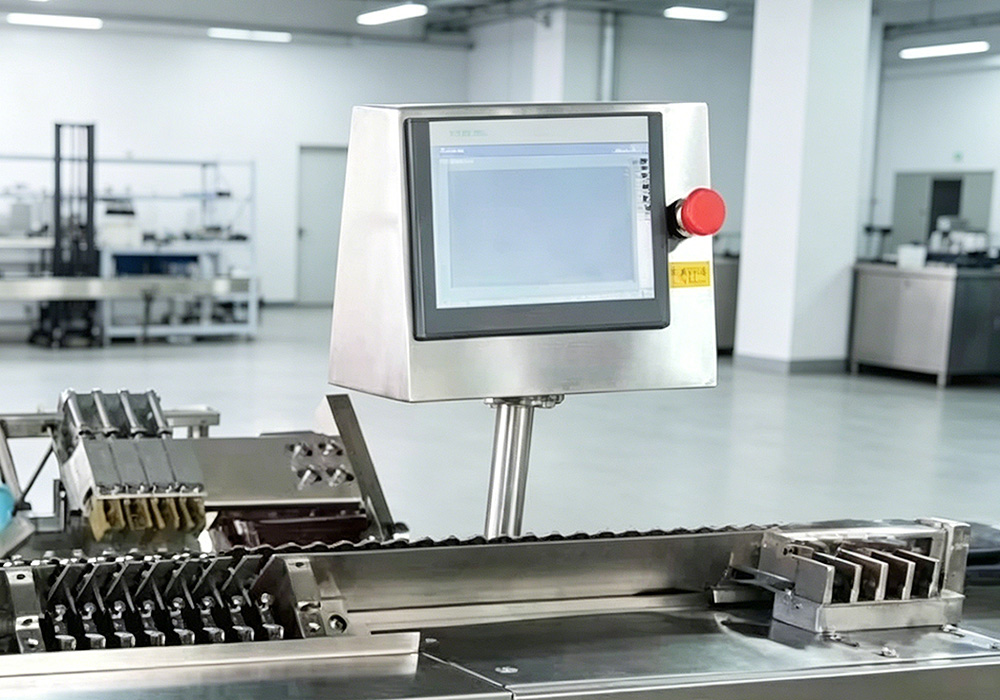
This complete guide covers ampoule filling machines and their practical uses. It explains the machine’s definition, the industries that use it, how it works, and how to buy one. Whether you make drugs, cosmetics, or just need a machine for a small lab, this equipment gives you high speed, sterile conditions, and precise liquid filling. The upfront cost is high, but the gains in product safety and production efficiency are worth it. Next time you see a tiny glass ampoule, you will know exactly how it was filled and sealed.
FAQ
1. What is the difference between an ampoule filling machine and a vial filling machine?
An ampoule filler seals by melting the glass neck. A vial filler uses a rubber stopper. Ampoules are single-use and tamper-proof. Vials can be resealed many times.
2. Can an ampoule filling machine fill both liquids and powders?
Most models are made only for liquid filling. Powder needs a different machine. A few combined machines exist, but they are rare and very expensive.
3. What sterility standards can ampoule filling machines achieve?
They perform very well. Modern units have laminar flow hoods, HEPA filters, and CIP/SIP systems. They meet pharmaceutical-grade sterile standards for ISO Class 5 cleanrooms.
4. What is the typical price range for ampoule filling machines?
Manual machines: $3,000–$8,000. Semi-automatic: $8,000–$25,000. Fully automatic: $25,000–$100,000 and above. High-speed rotary models cost even more.
5. What is the standard service lifespan of an ampoule filling machine?
With routine maintenance, the machine lasts 10 to 20 years. Parts like sealing gaskets and filling nozzles need replacement every few years, but the main mechanical structure stays stable for a long time.