
What is Granulation System in Pharmaceutical Industry?
What is Granulation System in Pharmaceutical Industry?
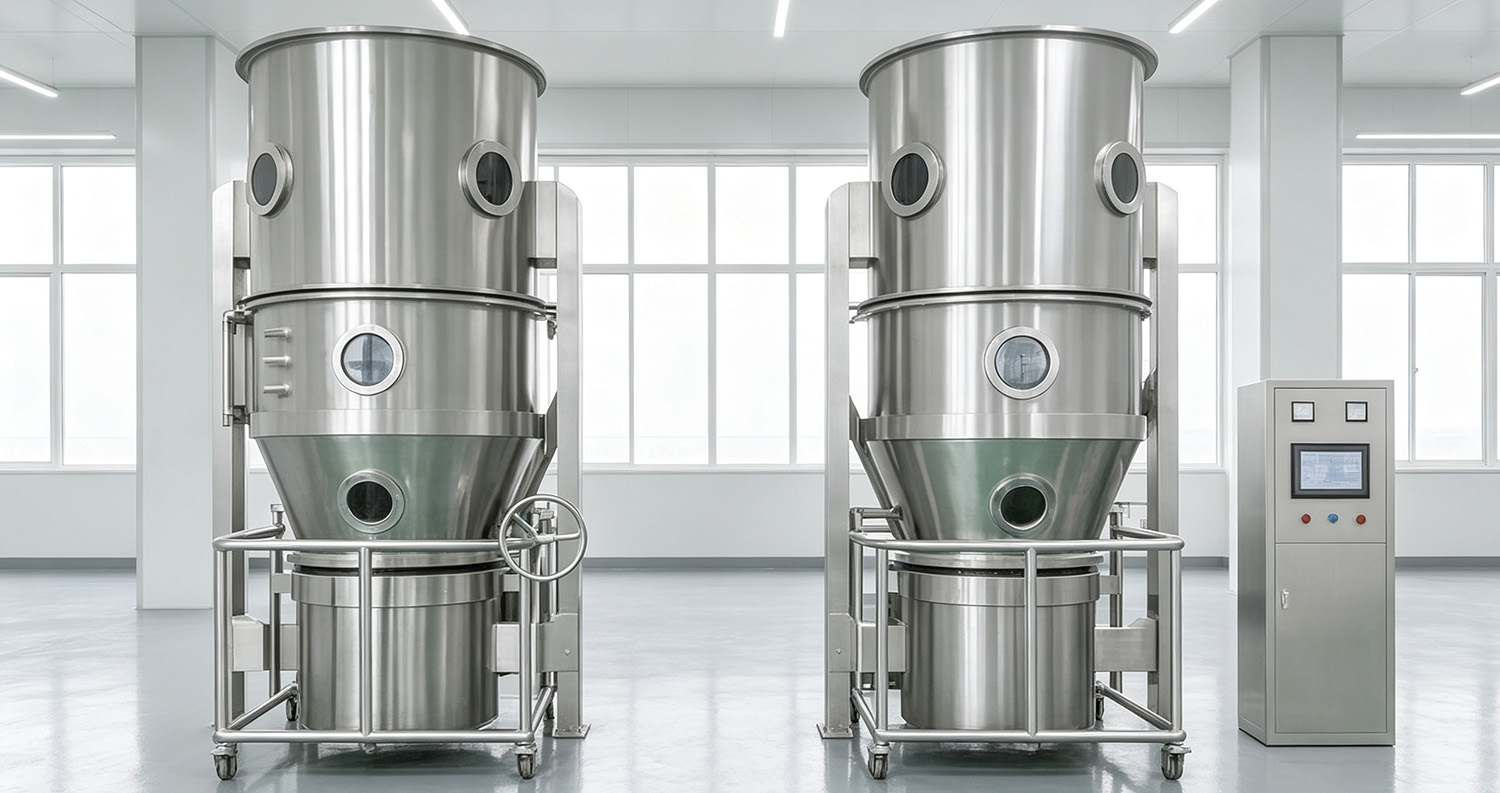
If you wonder how ordinary powder is processed into swallowable tablets, the answer often lies in the granulation system. In the pharmaceutical industry, it is more than just mechanical equipment; it forms the core of solid-dosage manufacturing. It can be regarded as a "powder-processing specialist", converting hard-to-handle fine dusty raw materials into free-flowing, homogeneous granules. This process is critical because it ensures every tablet and capsule off the production line contains an accurate and equal amount of active pharmaceutical ingredient (API). Without a reliable granulation system, powders tend to segregate and exhibit poor compressibility, yielding medicines of inconsistent quality with potential safety risks. Therefore, for pharmaceutical practitioners, understanding this equipment is not merely supplementary knowledge but an essential skill.
What Is a Granulation System?
So what exactly is a granulation system? Fundamentally, it is a complete set of equipment designed to agglomerate fine powders into larger, stronger and more uniform granules. Its primary purpose is to improve the physical properties of powder blends to facilitate subsequent processing steps such as tableting and capsule filling. A useful analogy is turning flour into dough balls: loose and messy flour is difficult to work with, whereas dough balls are easy-to-handle and stable. A granulation system forms a stable granular structure through mixing, wetting (adding binder solution), and drying under certain process conditions.
Most formulations in pharmacy cannot do without this process. A granulation system prevents segregation of different raw materials, guarantees uniform API content, and greatly improves powder flowability and compressibility. Consequently, finished tablets achieve consistency in weight, hardness and dissolution rate. Without this critical step, production will face constant troubles; more importantly, medicines delivered to patients will have unreliable therapeutic effects.
Main Types of Granulation Systems
Once you get familiar with granulation technology, you will soon find there is no universal all-in-one solution. The pharmaceutical industry mainly adopts two categories: wet granulation and dry granulation, each with dedicated equipment.
Wet Granulation: The most widely used method. Liquid binder is applied to agglomerate powder particles. Representative equipment includes high-shear granulators and fluid-bed granulators.
Dry Granulation: Ideal for active pharmaceutical ingredients that degrade upon exposure to moisture or heat. No liquid is used throughout the process. Granules are formed by mechanical compression. Its core equipment is the roller compactor. Powders pass between a pair of counter-rotating rolls to form dense ribbons, which are then milled into granules.
Key Types of Pharmaceutical Granulation Systems
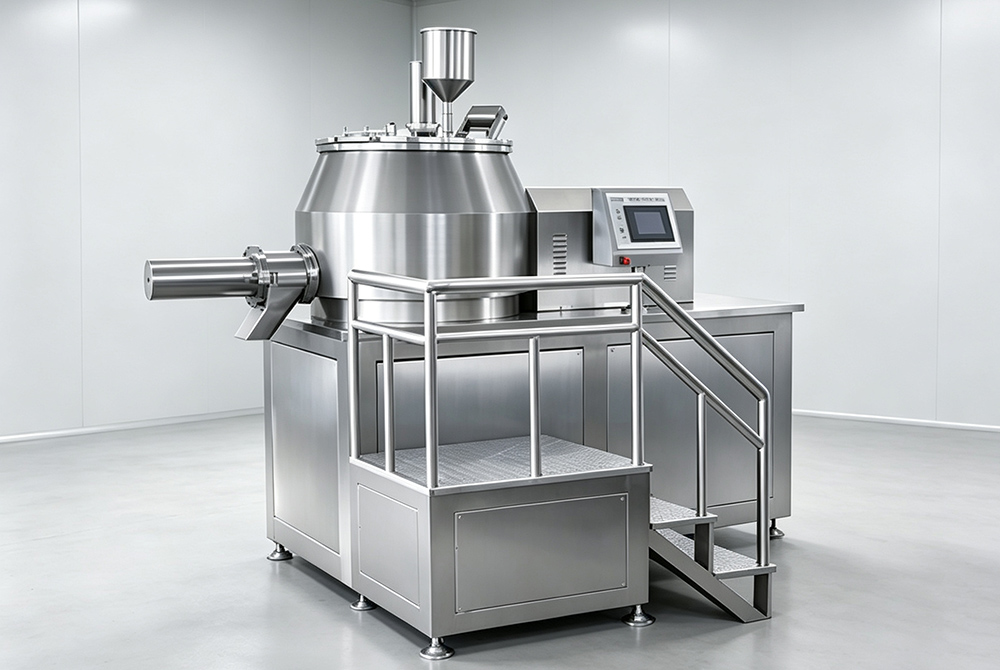
• High-Shear Granulator: Equipped with high-power impeller and chopper for fast production of high-density granules.
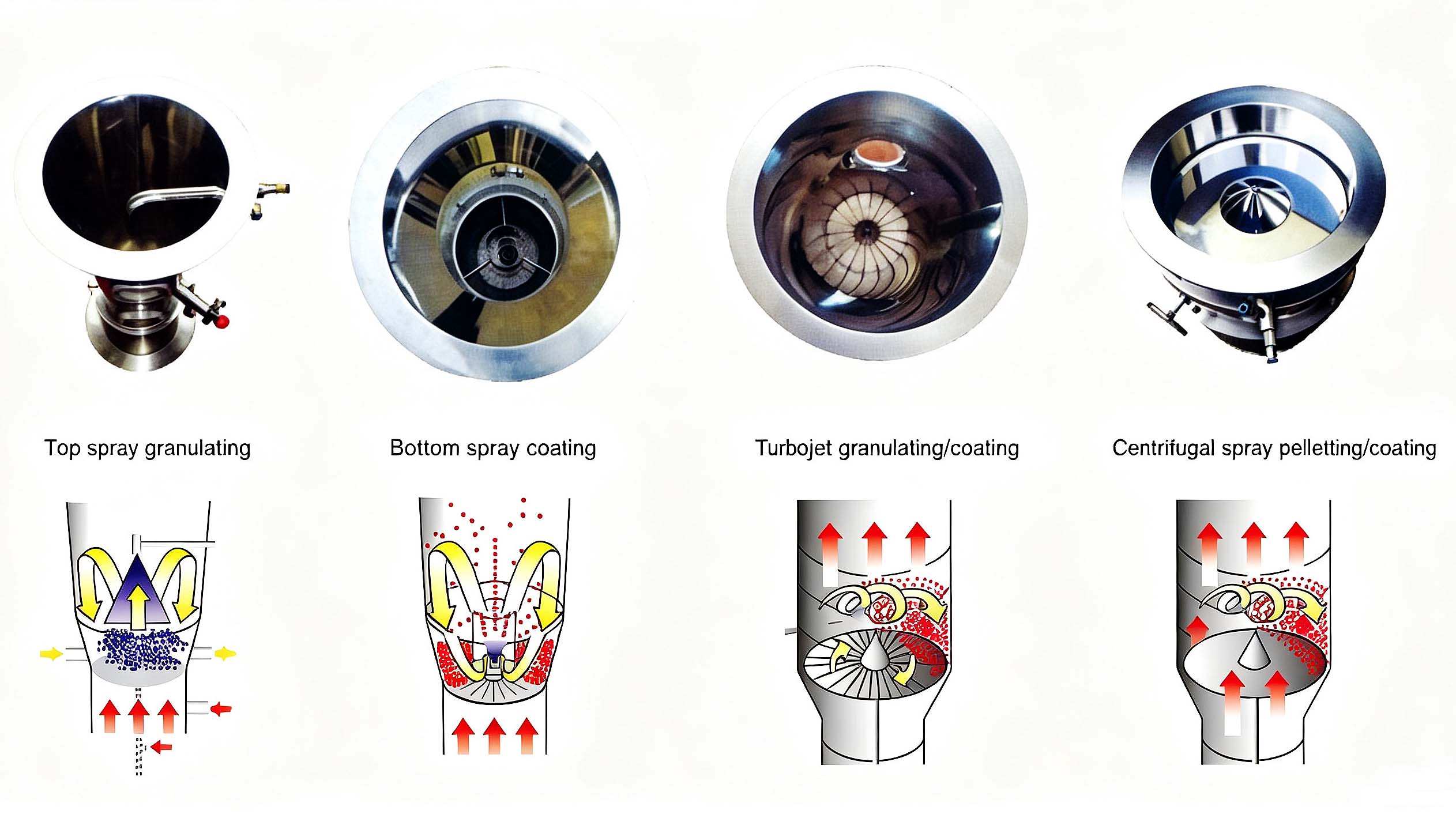
• Fluid-Bed Granulator: Uses air flow to complete spray granulation and drying within one single unit.
• Low-Shear Granulator: Delicate mixing action, suitable for fragile APIs or special formulations.
• Roller Compactor: Core equipment for dry granulation, which compresses materials into solid ribbons.
Equipment selection depends on formulation requirements, physicochemical properties of APIs and target granule performance. Many pharmaceutical plants deploy multiple types of granulation systems to manufacture different products or adapt to various production scales.
Core Applications in the Pharmaceutical Industry
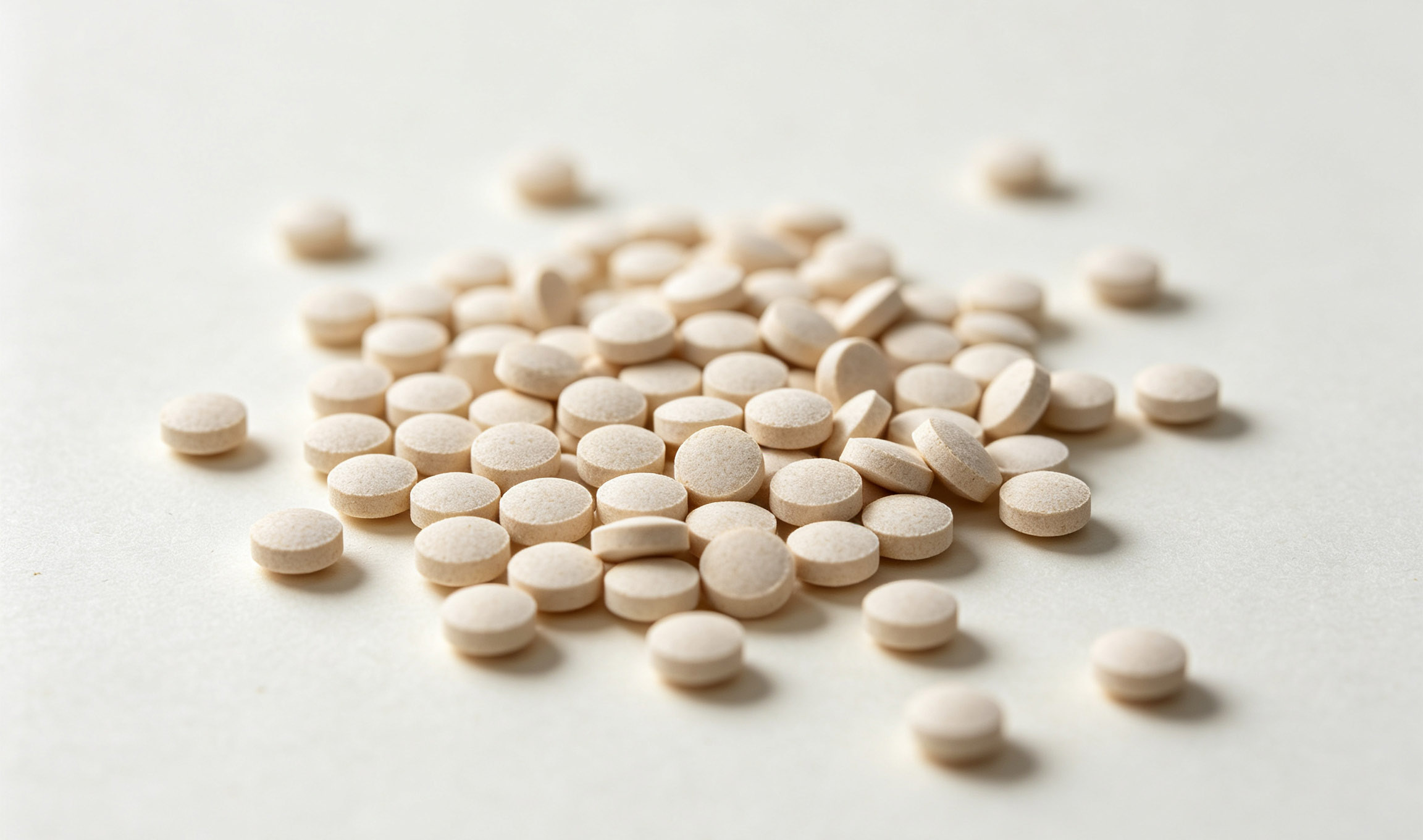
In pharma, the primary task of a granulation system is powder preparation for tableting and capsule filling. Yet its applications extend far beyond simple material pretreatment; it is also a vital procedure for manufacturing high-end complex medicines.
Key Pharmaceutical Applications
• Tablet & Capsule Manufacturing: The most common application. It ensures good powder flowability to produce robust tablets.
• Controlled-Release Formulations: Produce granules with specific release profiles such as extended-release and delayed-release preparations to regulate drug absorption rate inside human bodies.
• Improvement of Powder Flowability: Enable poorly-flowing APIs to adapt to high-speed production equipment.
• Enhancement of Content Uniformity: Prevent material segregation and guarantee accurate API dosage in each dose unit.
Beyond the above-mentioned core functions, advanced granulation systems are deployed in more specialized scenarios, for instance continuous manufacturing lines operating 24 hours a day instead of conventional batch production. This modern mode reduces product variation and boosts production efficiency. Granulation systems also play an important role in developing pediatric and geriatric formulations which place high demands on taste-masking and easy swallowing. By selecting proper binders and process parameters, manufacturers can produce granules with qualified efficacy that are patient-friendly for administration.
Main System Components
A granulation system is not a standalone machine but an integrated production line with multiple components working synergistically. Every component is essential to ensure finished products meet stringent pharmaceutical standards. Learning about each component helps you understand the complexity and precision behind granulation.
Core Components of Granulation System
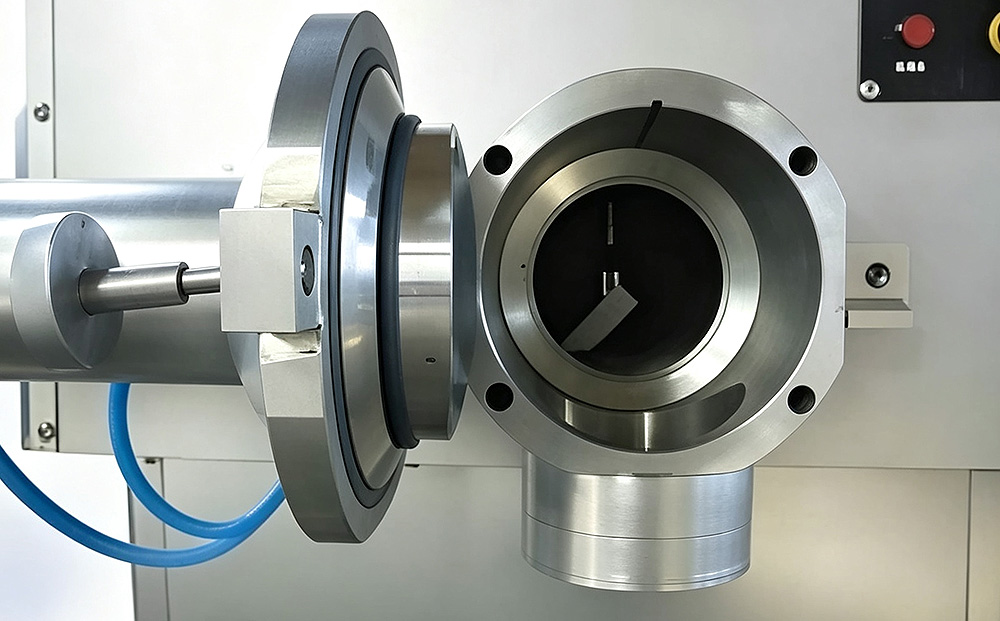
• Mixing Bowl / Chamber: Main vessel for material feeding and powder blending.
• Impeller and Chopper: Rotating blades for powder mixing, breaking agglomerates and controlling granule particle size.
• Binder Dosing Unit: Pump-and-nozzle assembly for precise spraying of liquid binder onto mixed powders.
• Air Handling Unit (for fluid-bed systems): Conditions and delivers hot air for powder fluidization and granule drying.
• Control Panel (PLC/SCADA): The "brain" of equipment, which monitors and regulates parameters including temperature, air flow rate and spray rate.
These components are generally made of high-grade pharmaceutical-grade stainless steel. This is a mandatory requirement: equipment must be easy to clean and sanitized to satisfy GMP (Good Manufacturing Practice) production environments. Many modern granulation systems feature CIP (Clean-in-Place) and SIP (Sterilize-in-Place) functions for automated cleaning. They save labour hours and avoid cross-contamination between batches.
Working Principle of the System
The working principle of a granulation system may look complicated. When broken down, its essence is converting "hard-to-process powder" into "easy-to-manufacture granules". The whole workflow starts with feeding dry powders into the main chamber.
Step-by-Step Workflow
• Mixing / Dry Blending: The impeller rotates at set speed to thoroughly blend APIs and excipients and obtain homogeneous dry powder mixtures.
• Wetting / Granulation: Liquid binder (water, starch or PVP solution etc.) is gradually sprayed onto the fluidized powder bed. As liquid wets particles, powders stick together and form fine granule nuclei.
• Granule Growth: Continuous mixing drives constant collision and bonding among nuclei, which gradually grow into larger wet granules.
• Wet Milling (Optional): Some units are fitted with wet mills to break large lumps and achieve narrower particle-size distribution.
Subsequent procedures differ according to equipment types. For fluid-bed granulators, hot air is introduced so drying occurs simultaneously with granulation. For high-shear granulators, wet masses are transferred to separate dryers. Regardless of processes adopted, the objective stays identical: produce dry, free-flowing granules whose particle size, bulk density and moisture content meet specifications, ready directly for tableting or capsule filling.
Key Advantages of Granulation Systems
Investing in high-quality granulation systems brings multiple benefits, directly influencing pharmaceutical enterprises' economic returns and product quality, improving production efficiency as well as safeguarding patient medication safety.
Major Advantages
• Optimized Powder Flowability: Convert poorly-flowing powders into free-flowing granules, laying the foundation for stable operation of high-speed tablet presses.
• Improved Content Uniformity: Prevent material segregation and secure consistent API dosage for every tablet and capsule.
• Higher Tablet Strength: Tablets compressed from granulated materials are more robust compared with those produced by direct powder compression.
• Dust Reduction: Lower airborne dust inside workshops and improve safety and cleanliness of production environments.
Furthermore, modern granulation systems feature good scalability. You can start with small-scale R&D and pilot-scale units and scale up stably to production-grade equipment with predictable process outcomes. Such process reproducibility is of great significance to pharmaceutical manufacturers. It ensures consistent batch results, reduces material waste, shortens production cycles, and guarantees that generic drugs deliver the same therapeutic effect as originator drugs for patients.
How to Select the Appropriate Granulation System
Selecting a suitable granulation system for your plant is a critical decision that should not be made hastily. The best equipment depends on formulation characteristics, production capacity and long-term manufacturing plans.
Key Selection Criteria
• Physicochemical Properties of Formulation: Is the API moisture-sensitive? Does the powder exhibit poor flowability? Answers determine whether wet or dry granulation should be adopted.
• Batch Size and Scalability: Confirm regular and maximum batch sizes to match equipment with corresponding capacity.
• Granule Specification Requirements: Do you need dense spherical granules (high-shear granulation) or porous fluffy granules (fluid-bed granulation)?
• GMP and Regulatory Compliance: Confirm suppliers can deliver complete validation documentation (IQ/OQ/PQ).
It is also advisable to choose a granulation system manufacturer offering comprehensive after-sales services including installation, personnel training and maintenance. For example, Mic Machinery, a globally renowned equipment supplier, delivers stable, scalable and compliant turn-key solutions. Manufacturers will customise equipment according to your actual working conditions so the granulation system perfectly fits existing production lines and future capacity-expansion plans. You are not merely purchasing machinery, but establishing long-term partnerships.
Best Practices for Operation and Maintenance
After equipment selection and installation, long-term efficient operation shall be guaranteed. Standardised operation plus proactive maintenance hold the key to maximizing return on investment and stabilising product quality.
Best Practices for Operation & Maintenance
• Rigorous Training: Ensure all operators fully master PLC/SCADA control systems, Standard Operating Procedures (SOPs) and safety protocols.
• Scheduled Preventive Maintenance: Inspect and replace wearing parts such as impellers and seals following manufacturers' requirements.
• Regular Cleaning: Strictly implement CIP/SIP cleaning procedures to eliminate cross-contamination and meet hygiene standards.
• Complete Documentation: Archive maintenance records, process parameters and abnormal events to achieve full traceability.
Effective maintenance covers more than repairing broken components; it also includes data analysis. Many modern granulation systems are equipped with high-precision sensors that record full process data of each batch. Regular review of process data enables early detection of minor deviations and correction before batch rejection occurs. This data-driven approach combined with routine maintenance is vital to extend service life and sustain high output of granulation systems. It helps plants produce high-quality granules steadily day in and day out, which represents the ultimate goal for all pharmaceutical manufacturers.
To sum up, a granulation system is far more than ordinary machinery in pharmaceutical plants. It constitutes the cornerstone for quality, efficiency and safety in solid-dosage manufacturing. It addresses core process challenges by converting heterogeneous powder blends into free-flowing, homogeneous materials suitable for stable tableting and capsule filling. Without this essential process, the pharmaceutical industry cannot manufacture consistent-quality medicines relied upon by modern healthcare.
FAQ
1. What are the main differences between wet granulation system and dry granulation system?
The core difference lies in the adoption of liquid binder. Wet granulation uses liquid to agglomerate powders and requires subsequent drying steps. Dry granulation forms granules via mechanical forces such as roller compaction without liquid addition or heating. Selection is determined by API properties, especially moisture sensitivity.
2. How can I judge whether a granulation system is operating optimally?
You can test key quality attributes of finished granules: particle-size distribution, bulk/tapped density, flowability and moisture content. Consistent results across batches indicate good performance. Modern equipment outputs data via SCADA systems to realise real-time monitoring of process parameters.
3. What is the typical service life of a pharmaceutical granulation system?
With proper maintenance and standard operation, high-quality granulation systems can serve for 15-20 years or longer. Periodic inspection, timely replacement of wearing parts and thorough cleaning are keys to prolonging equipment lifespan.
4. Is a granulation system mandatory for tablet manufacturing?
ot necessarily. Direct powder compression is feasible when powder blends possess excellent inherent flowability and compressibility. Nevertheless, granulation is more commonly used and often indispensable for APIs with poor flow or when high tablet strength is required.
5. Can granulation systems be applied for pharmaceutical products other than tablets?
Absolutely. Though mainly deployed for tablet production, they are also used to prepare granules for capsule filling and powder sachets. They find applications in effervescent formulations as well as special products such as ointments and creams requiring granular bases.