
Reagent Vial Filling Machine
Reagent Vial Filling Machine
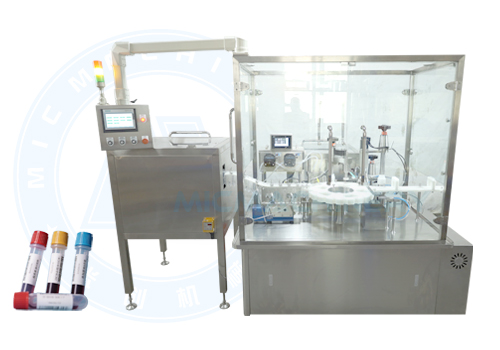
A Reagent Vial Filling Machine is a specialized system designed for precise and efficient liquid filling in reagent production. It supports high accuracy, stable performance, and smooth operation, making it essential for laboratories, diagnostics companies, pharmaceutical factories, and biotech manufacturers. As the demand for standardized reagents and rapid testing materials continues to increase, these machines provide automation, quality assurance, and production consistency that manual filling simply cannot achieve. Many modern Reagent Vial Filling equipment models also integrate advanced filling control and monitoring systems to ensure reliability in GMP environments.
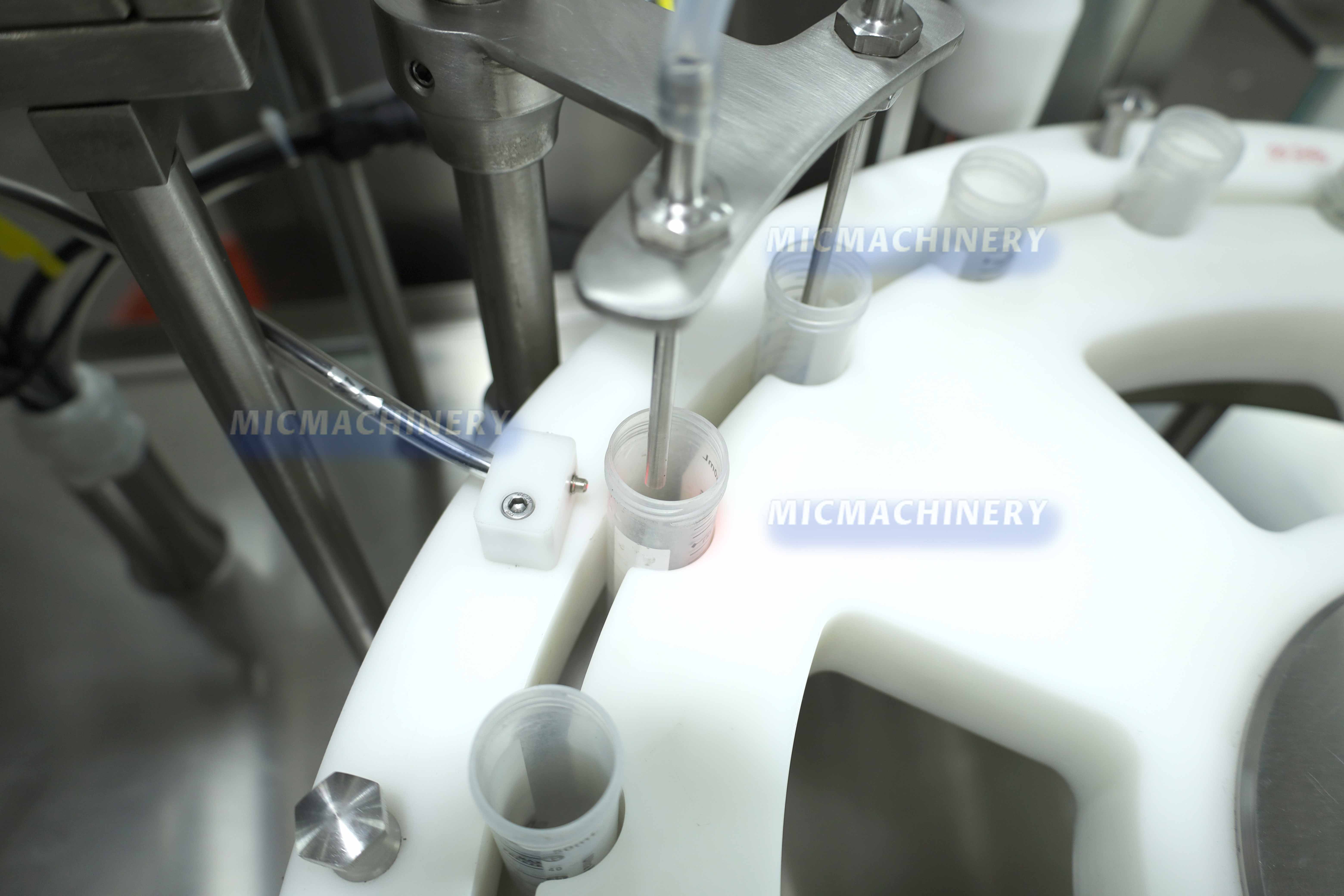
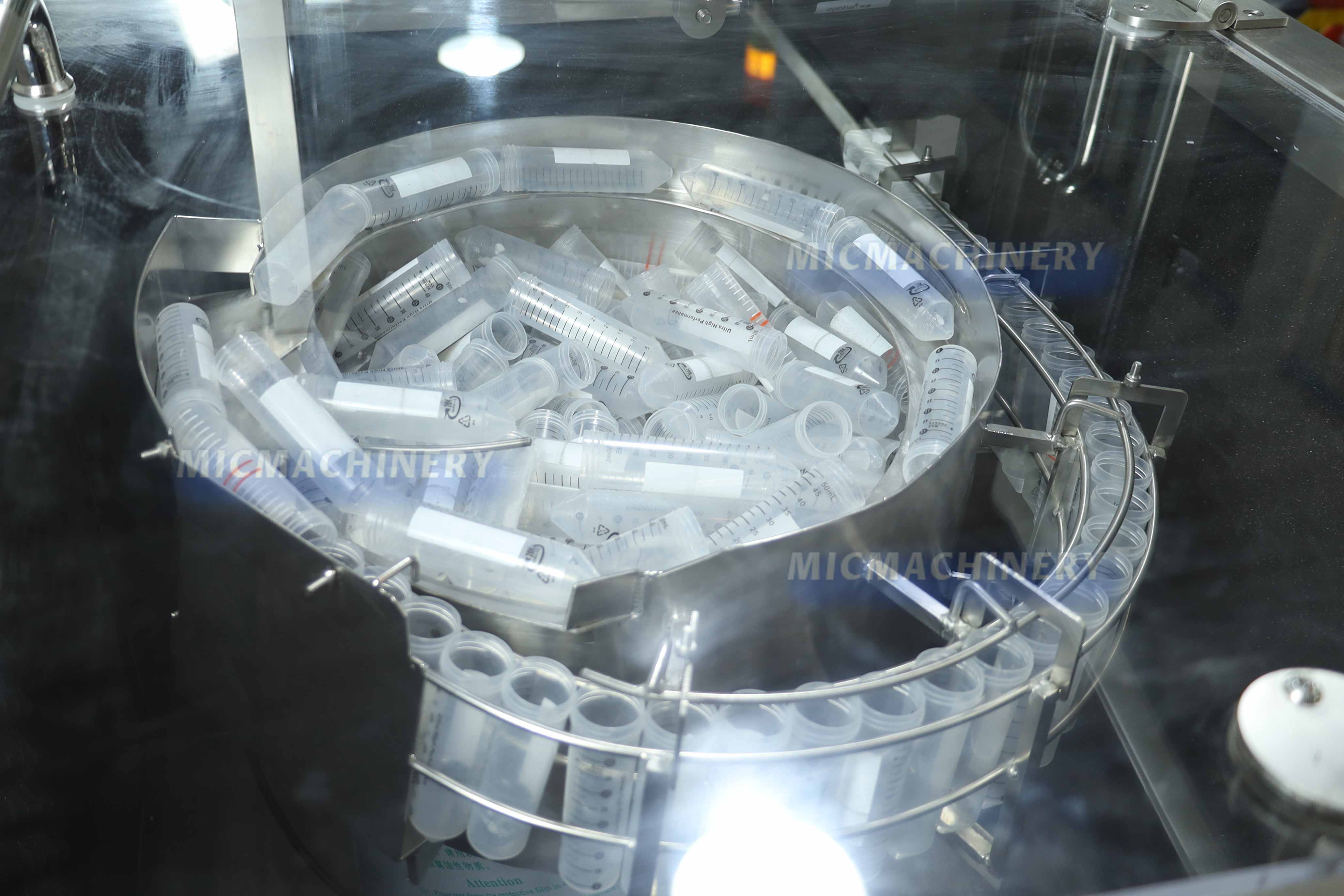
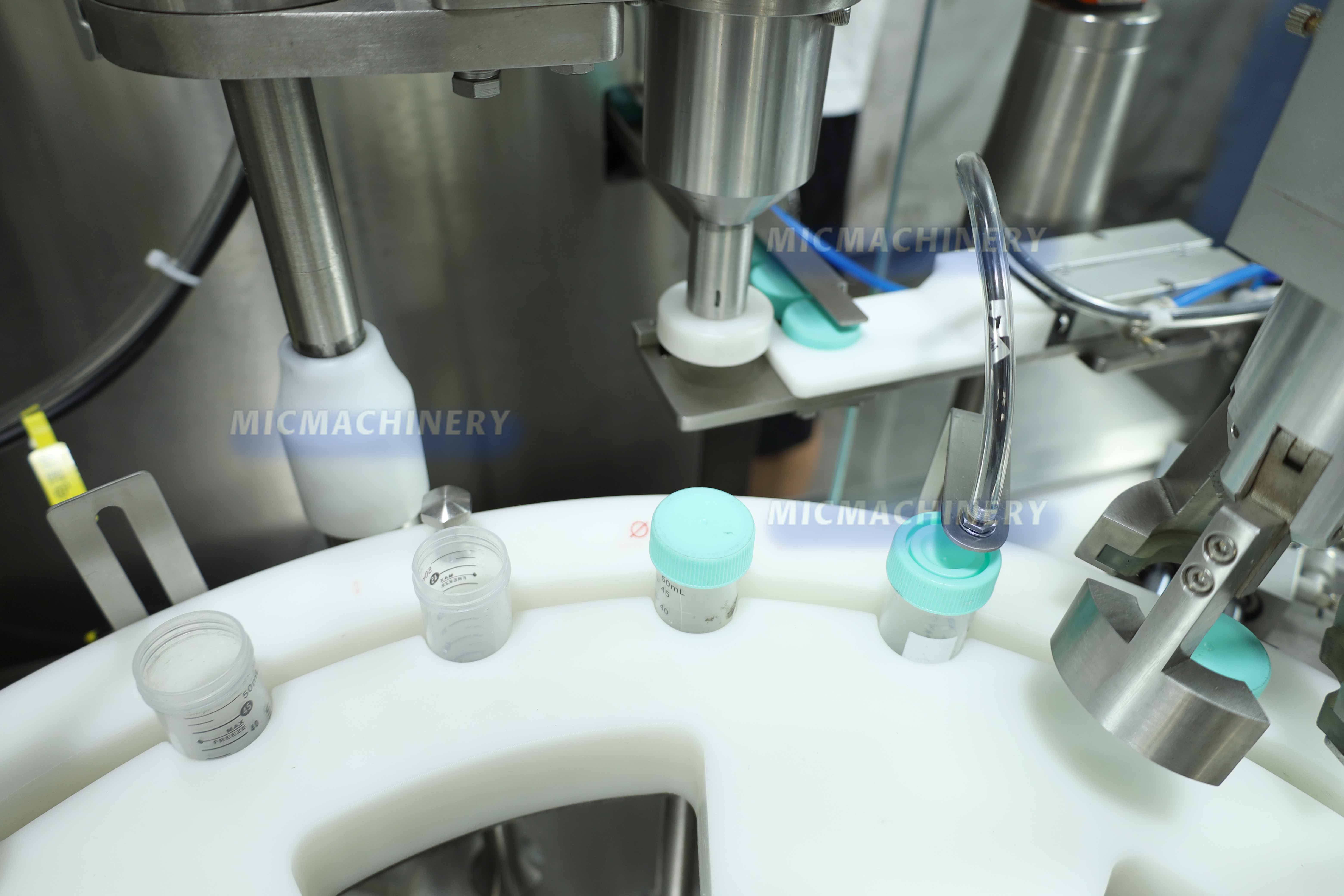
How a Reagent Vial Filling Machine Works
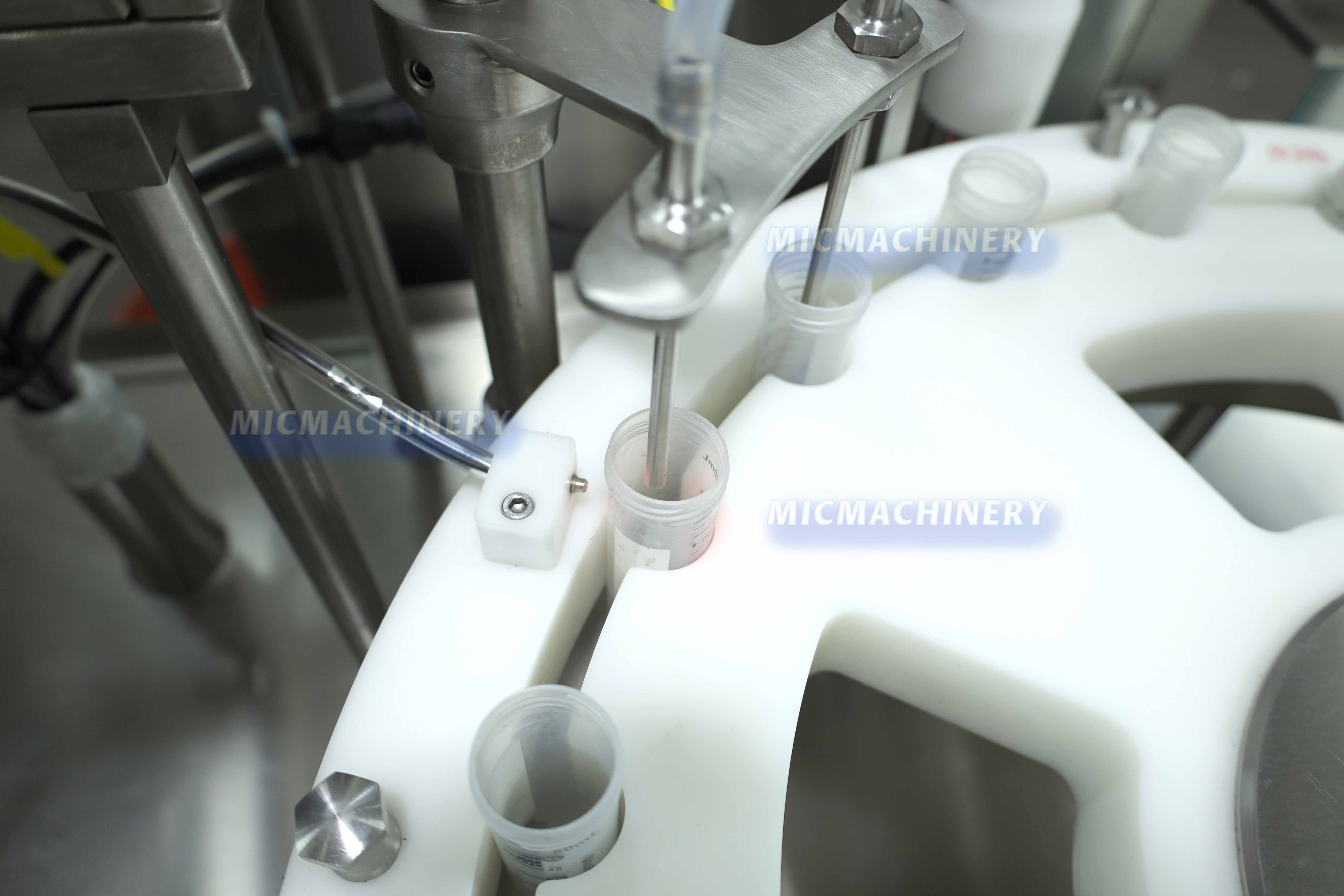
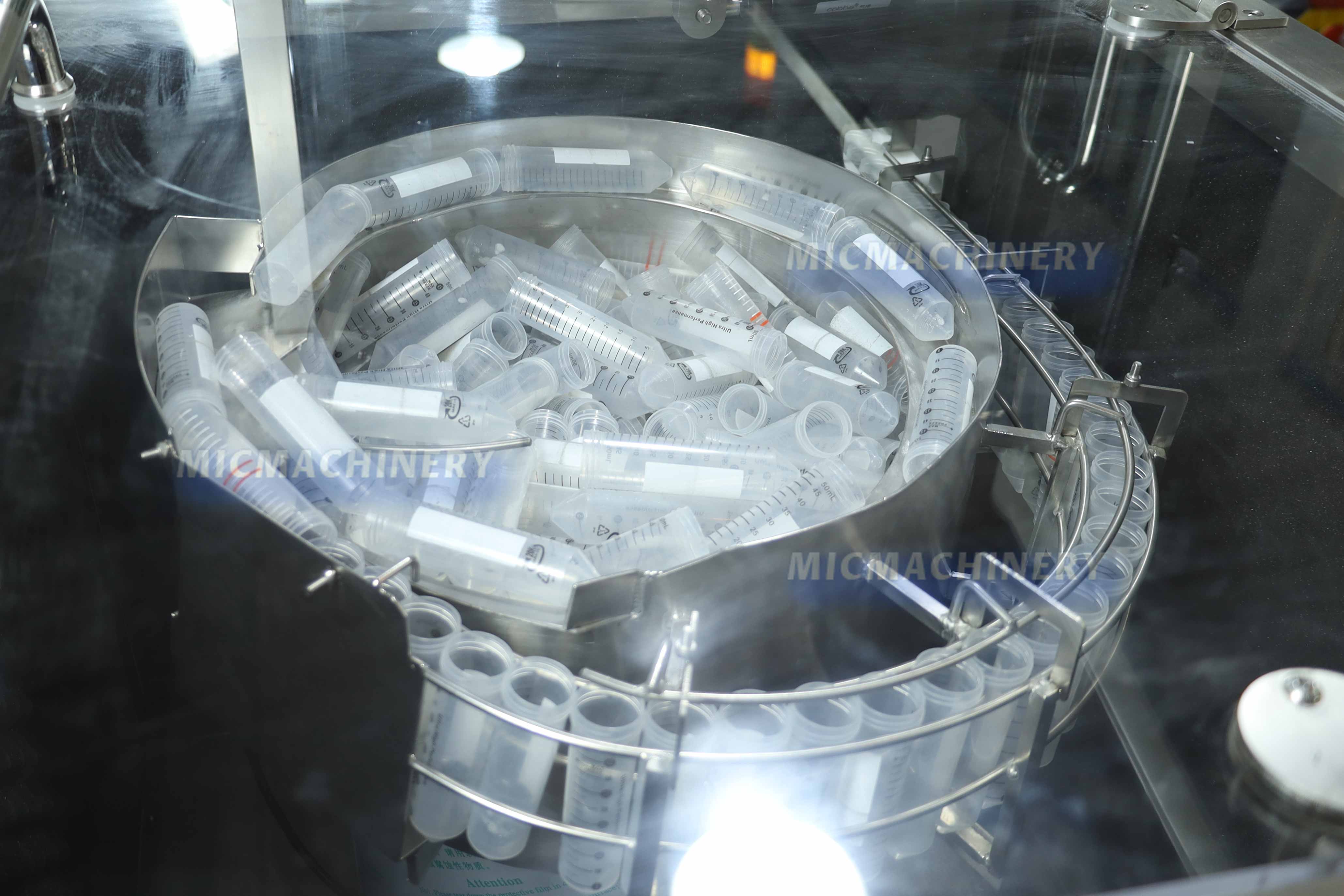
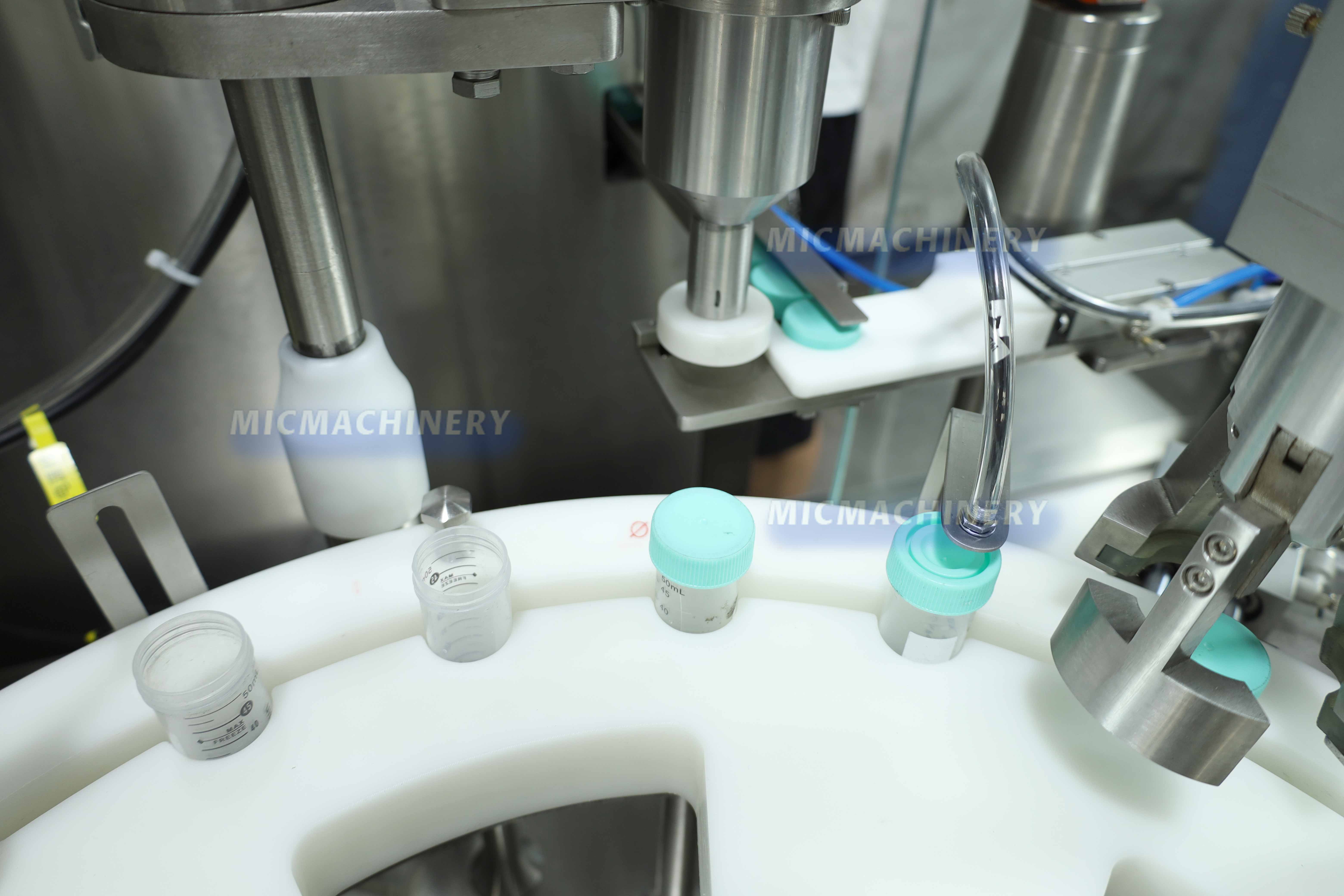
A modern Reagent Vial Filling and Packaging Machine typically operates through a series of coordinated modules. First, reagent vials are fed into the machine via a conveyor or tray loader. Then, precision pumps deliver controlled volumes of reagent into each vial with minimal deviation. Dual filling heads are commonly used to increase speed without sacrificing accuracy. After filling, the machine may integrate stoppering, sealing, and labeling modules, depending on production requirements. The system supports a wide range of reagent viscosities, small liquid doses, and special chemical formulations.
Key Features of Reagent Vial Filling Equipment
High-quality Reagent Vial Filling equipment is designed to meet strict pharmaceutical standards. Core features include precision servo-driven pumps, accurate filling nozzles, adjustable filling ranges, and auto-cleaning systems. Many machines offer laminar flow protection to maintain aseptic conditions. They also come with touchscreen interfaces, recipe storage, error alarms, and real-time monitoring. Some models support nitrogen purging before or after filling to improve reagent stability. Stainless steel construction, compact layout, and tool-free dismantling give these machines excellent durability and easy maintenance. Dual filling heads further enhance output efficiency by enabling continuous, synchronized dosing.
Advantages of Reagent Vial Filling and Packaging Machines
Choosing a reliable Reagent Vial Filling and Packaging Machine brings several advantages to modern production. The most important benefit is accuracy, which ensures consistent reagent concentration and test reliability. Automation improves speed, reduces labor costs, and eliminates human error. The machine’s design minimizes contamination risks, while digital controls ensure repeatability and easy parameter adjustment. For production lines with varying batch sizes, the machine provides strong flexibility and supports fast changeovers. These advantages make it ideal for manufacturers seeking higher compliance, better efficiency, and stable output quality.
Application Scenarios Across Industries
A Reagent Vial Filling Machine is widely used in industries where precision liquid dispensing is critical. In medical diagnostics, it supports the filling of PCR reagents, buffer solutions, enzymes, and antibody reagents. In pharmaceutical production, it handles analytical solutions, stabilizers, and chemical formulations. Biotech companies use it for research reagents, culture media, and quality-control liquids. Chemical labs rely on the system to package small-dose specialty chemicals safely and consistently. Whether for small-batch R&D or large-scale reagent manufacturing, the machine delivers consistent results across all applications.
How to Choose the Right Reagent Vial Filling Equipment
Selecting the right Reagent Vial Filling equipment requires evaluating several key factors. First is filling accuracy, which determines the stability of the final product. Second is capacity—dual-head models offer high-speed operation for medium to large production needs. Third is compatibility with vial sizes, reagent viscosity, and chemical properties. Safety features and GMP compliance are also essential. Buyers should also consider cleaning convenience, automation level, data recording functions, and long-term maintenance requirements. A system that balances speed, accuracy, and reliability will provide the best production benefits.
Why Manufacturers Prefer Automated Reagent Vial Filling Systems
Automated systems such as the Reagent Vial Filling and Packaging Machine offer consistency and efficiency that manual processes cannot match. Automation reduces contamination, ensures accurate dosing, and improves traceability. It also lowers operational costs and supports rapid scaling as production demands grow. For companies exporting reagents or serving global diagnostic markets, machine-based production provides stable quality that meets international standards. With rising demand for precise and standardized reagent packaging, automated filling systems have become the preferred equipment for both established manufacturers and growing diagnostics brands.
Future Trends in Reagent Vial Filling Technology
The future of Reagent Vial Filling Machine development focuses on improved automation and smarter monitoring. AI-assisted dosing control, inline weight checking, and real-time data tracking are becoming standard. Machines may also incorporate CIP/SIP functions for fast processing between batches. Compact, modular designs will help small-scale manufacturers access high-quality production without investing in large facilities. As reagent demand continues to rise across pharmaceutical, biotech, and testing industries, the next generation of filling machines will offer greater precision and smarter process management.
Please feel free to let us know if you need any help, we will provide a professional guidance for you! Contact Us