
Ampoule Filling Machine Buying Guide for Pharma Plants
Ampoule Filling Machine Buying Guide for Pharma Plants
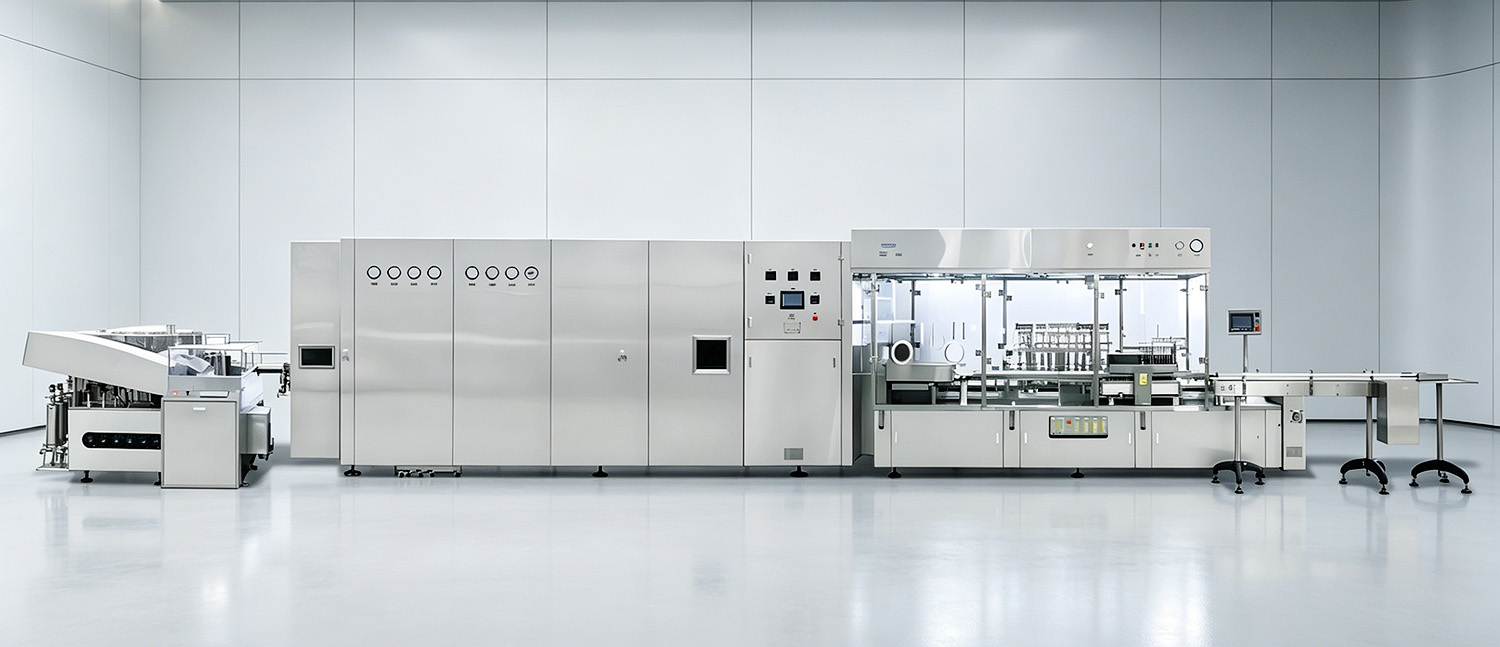
So, you’re in the market for an ampoule filling machine? Whether you’re setting up a new pharma line or upgrading an old one, picking the right equipment can feel like a maze. I have been there myself. This guide is not a dry technical manual—it is a practical, down‑to‑earth walkthrough that covers everything from basic definitions to real‑world buying tips. We will talk about what matters most: speed, sterility, budget, and future‑proofing. By the end, you will know exactly which questions to ask suppliers and what to look for during factory acceptance tests. Let us dive in without the fluff.
What Is an Ampoule Filling Machine?
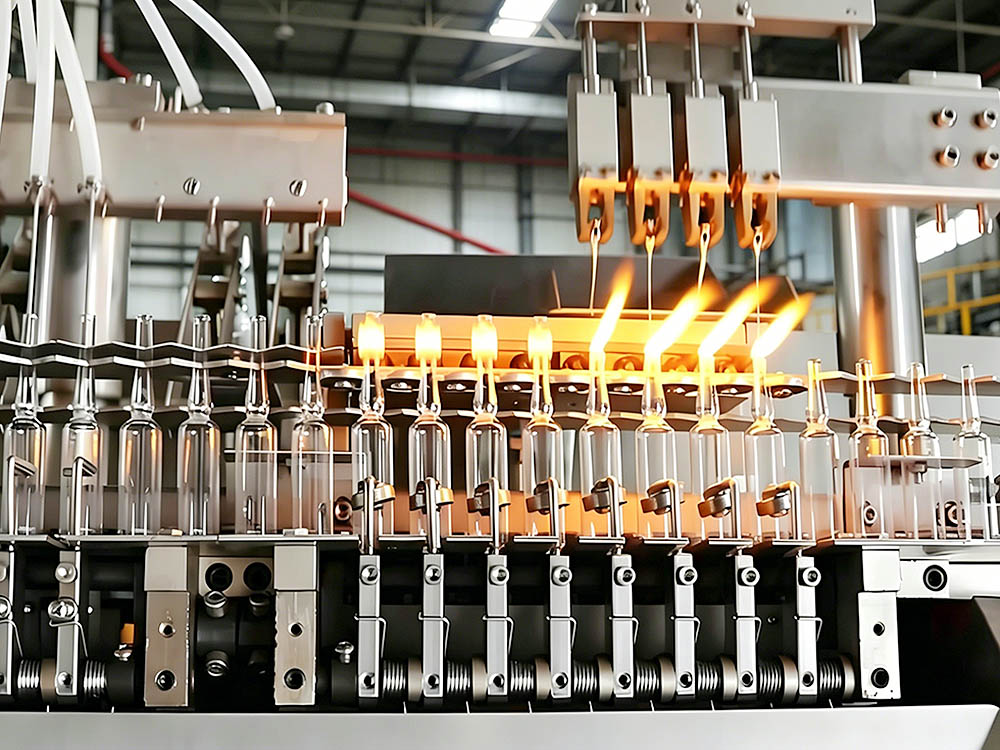
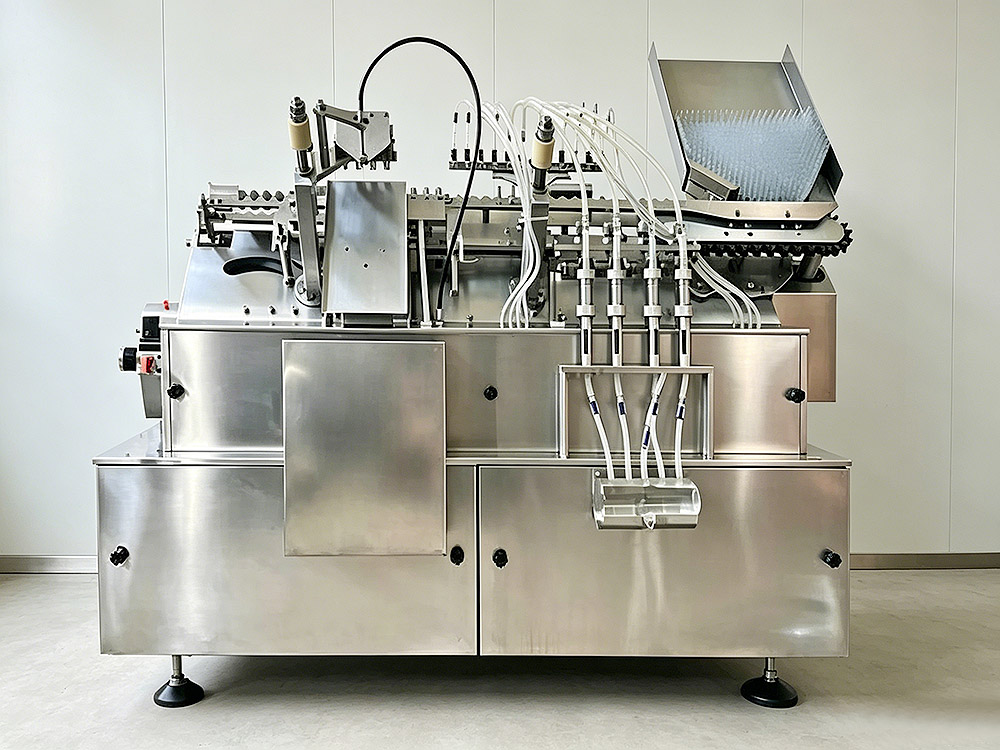
An ampoule filling machine is a specialized piece of equipment designed to fill liquid pharmaceuticals into small glass ampoules and seal them hermetically. Unlike regular bottle fillers, these machines handle fragile, narrow‑neck containers that must stay completely sterile. They typically integrate washing, filling, and sealing in one continuous workflow, which minimizes human contact and contamination risks.
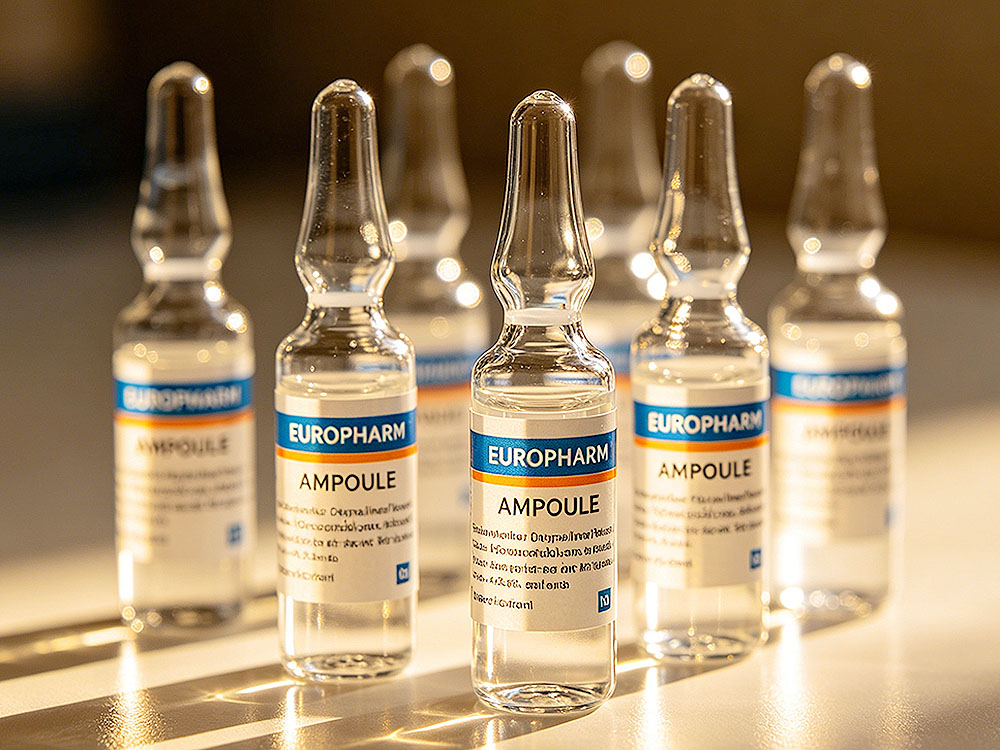
In practice, these machines work with everything from vaccines and injectable drugs to essential oils and diagnostic reagents. The filling process is usually done under a laminar airflow hood to maintain Class A sterility. Modern units also include online checkweighing and visual inspection systems, so you catch defects before they reach packaging.
For pharma plants, choosing the right ampoule filling machine is not just about throughput—it is about compliance. The machine must meet GMP, FDA, and EU Annex 1 standards. That means validated cleaning‑in‑place (CIP) and sterilization‑in‑place (SIP) cycles, plus full traceability of every batch. In short, it is the heart of your aseptic filling line.
Key Technical Parameters You Must Evaluate
When comparing models, do not get dazzled by fancy touchscreens. Focus on the numbers that actually impact your daily production. Here is the reality: if you ignore these parameters, you will end up with a machine that either bottlenecks your line or wastes expensive product.
Remember, the ideal machine is not the fastest one—it is the one that runs consistently at your target speed with minimal rejects. Always ask for performance data from actual production runs, not just theoretical specs. |
 |
Sterility and Contamination Control Features
Let us be honest: in pharma, sterility is not negotiable. Your ampoule filling machine must be a fortress against microbes, particles, and pyrogens. This section is not about ticking boxes—it is about protecting patient safety and your brand reputation.
- Laminar airflow and HEPA filters : Ensure the filling zone maintains ISO 5 (Class 100) conditions during operation.
- CIP/SIP integration : The machine should have automated cleaning and sterilization cycles with validated temperature and time profiles.
- Closed‑system design : Minimize openings where contaminants can enter; use sterile connections for product and gas lines.
- In‑process monitoring : Real‑time particle counters and viable air samplers should be standard, not optional.
A well‑designed ampoule filling machine will also have smooth, crevice‑free surfaces and sloping drains to prevent product residue buildup. Ask your supplier for their worst‑case contamination test results—if they hesitate, walk away.
Material Compatibility and Wear Parts
You might think stainless steel is stainless steel, but trust me, the alloy grade matters. Product contact parts should be 316L or higher, with electropolished finishes (Ra ≤ 0.4 µm). Also, think about the elastomers—seals, gaskets, and tubing—that touch your formulation. Some drugs (like oily solutions or high‑pH buffers) can degrade cheap materials fast.
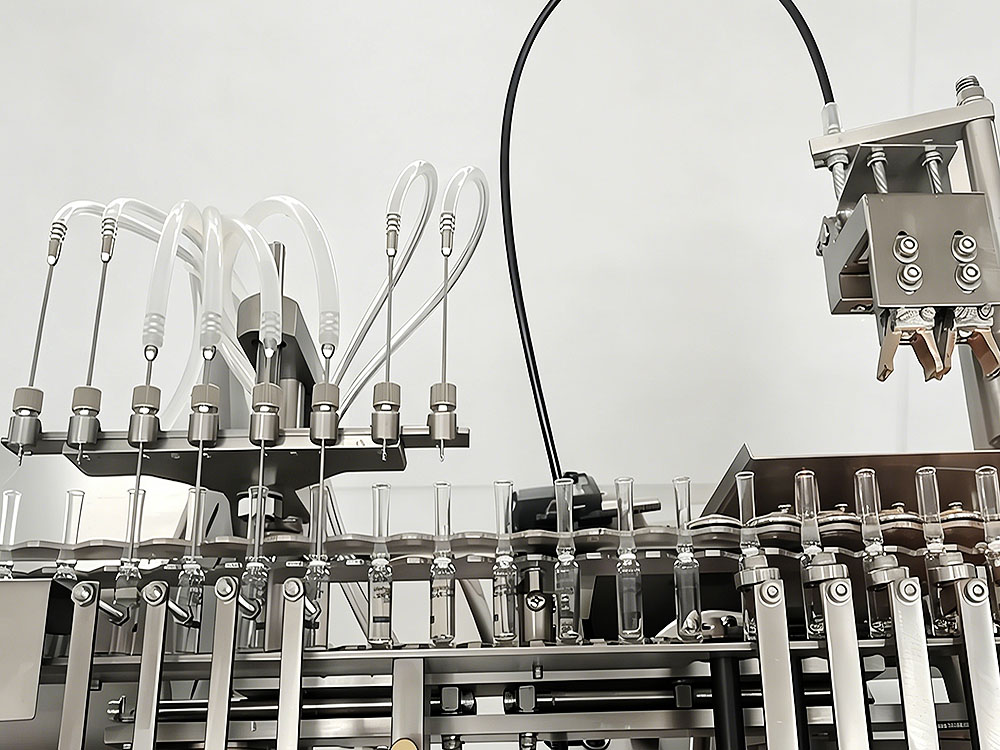 |
Do not forget: even the best ampoule filling machine will fail if you use the wrong tubing material. Always request a compatibility certificate from your material supplier. |
Automation and Data Integrity
- PLC and HMI : The control system should be user‑friendly, with recipe management for different ampoule sizes and filling volumes.
- SCADA/ERP integration : Can the machine send production data (batch counts, reject rates, alarms) to your plant‑wide system?
- 21 CFR Part 11 compliance : Electronic signatures, audit logs, and password protection are mandatory for US markets.
- Remote diagnostics : Some suppliers offer cloud‑based monitoring, which can save you huge downtime by alerting you before a breakdown.
A smart ampoule filling machine does not just fill ampoules—it generates actionable insights. Ask about the reporting dashboard and how easily you can export data for batch release.
Footprint and Layout Considerations
Space is always tight in a pharma plant, and adding a new machine often means rethinking the entire floor plan. Do not just measure the machine’s base dimensions—consider the clearance needed for maintenance, material flow, and operator access. I have seen plants buy a perfect machine, only to realize they cannot fit the conveyor exits.
Pro tip: create a scaled layout drawing and simulate the operator’s workflow. If the machine forces your staff to walk an extra 10 meters per cycle, that fatigue adds up over a shift. |
 |
Cost, ROI, and Hidden Expenses
Let us talk money—because that ampoule filling machine is a major capital investment. But the sticker price is only the beginning. You need to calculate total cost of ownership over 5–10 years, including installation, validation, training, maintenance, and consumables.
- Purchase price vs. long‑term value : Cheaper machines often have higher rejection rates and shorter service intervals. Spend more upfront if it saves you 2% product loss annually.
- Validation and qualification costs : Supplier should provide IQ/OQ/PQ documentation; if they charge extra, factor that in.
- Energy and media consumption : Compare steam, water, and electricity usage per thousand ampoules. These can vary by 30% between models.
- Resale value and upgradability : Can the machine be retrofitted with new sensors or faster drives? That extends its useful life.
Remember, the cheapest ampoule filling machine might cost you twice as much in downtime. Always ask for a 3‑year cost projection from the supplier—and check their references for real‑world performance.
Supplier Selection and After‑Sales Support
You are not just buying a machine; you are entering a long‑term relationship with an ampoule filling machine manufacturer. A great supplier will be your partner in troubleshooting, upgrades, and regulatory inspections. So, how do you separate the stars from the pretenders?
 |
Industry experience : How many ampoule filling machines have they installed in the last 5 years? Ask for pharma - specific case studies. Local service team : Do they have trained engineers in your region? Response time under 24 hours for critical breakdowns is a must. Training programs : They should offer on‑site operator training and refresher courses. Bonus if they provide simulation software for practice. Warranty and guarantees : Look for at least 12 months full warranty, plus a performance guarantee (e.g., 99% uptime in first year). Do not skip the site visit—see the machine running with your own eyes. And request a list of current customers you can call. If a supplier hesitates to share references, that is a red flag. |
Buying an ampoule filling machine for your pharma plant is a big decision, but it does not have to be overwhelming. Start with a clear list of your production needs, sterility requirements, and budget. Then work through each of the areas we covered—technical specs, contamination control, materials, automation, layout, cost, and supplier support. Take your time, ask tough questions, and always test the machine with your actual product before signing off. The right machine will boost your output, reduce waste, and keep your quality team happy. And if you ever feel lost, remember: a reliable supplier is worth their weight in gold. Good luck—you have got this.
FAQ
- What is the typical lifespan of an ampoule filling machine?
With proper maintenance, most machines run for 15–20 years. However, the control electronics and pumps may need upgrading after 8–10 years to keep up with new regulations and speed demands.
- How often should I calibrate the filling pumps?
At least once per shift for critical products, but daily weight checks are standard. Many modern machines include automatic inline calibration that adjusts for temperature and viscosity changes.
- Can the same machine fill both ampoules and vials?
Rarely—the neck gripping and sealing mechanisms are quite different. Some hybrid models exist, but they usually compromise speed or accuracy. It is better to have dedicated lines.
- What is the minimum cleanroom classification required for an ampoule filling machine?
The filling zone must be Class A (ISO 5), and the surrounding background should be Class C (ISO 7) or Class B (ISO 6) depending on your local GMP. Always confirm with your quality assurance team.
- How do I handle sticky or viscous products with this machine?
You will need positive‑displacement pumps (like ceramic rotary pistons) and heated product reservoirs to reduce viscosity. Also, ask for a larger‑diameter filling needle and slower filling speed to avoid splashing and foaming.