
Do Vial Filling Machines Work for Liquid and Powder Products | MIC
Do Vial Filling Machines Work for Liquid and Powder Products
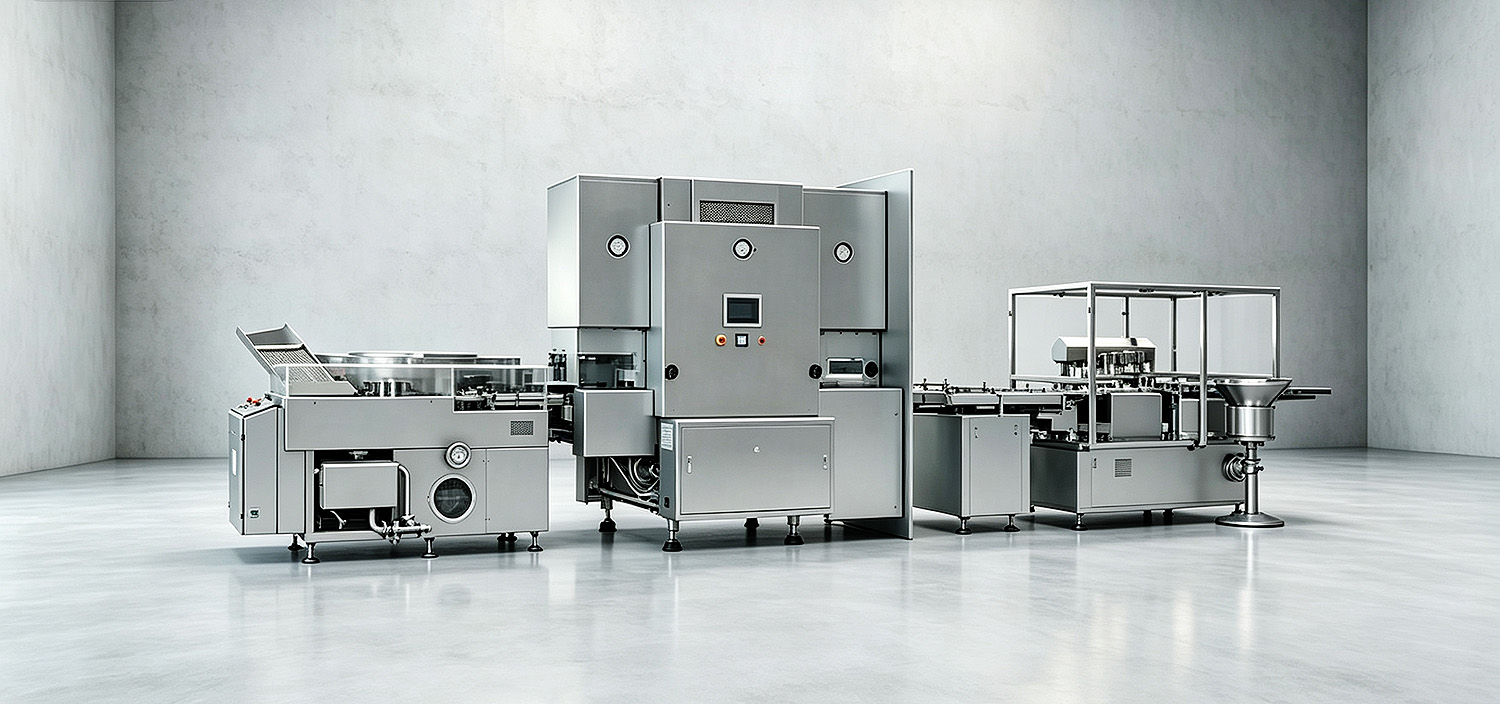
You might be running a drug production line or planning to expand. Then you ask: can one machine fill both liquid medicines and powder products? That is a fair question. Buying separate machines for each type costs a lot. The good news is that today’s equipment has improved a lot. Many models can handle both liquids and powders with good accuracy. This article tells you how they work, what they can do, and what to check before you buy.
What Is a Vial Filling Machine and How Does It Work?
A vial filling machine is a precise system that puts drugs into small glass or plastic vials. It uses pumps, nozzles, or auger systems to measure and release a set amount of material into each vial. After filling, the vials go to the next station for sealing, capping, or labelling.
Think of it as a very accurate robot pharmacist. It never gets tired and never makes mistakes in measuring. So every vial gets the same fill. Whether you are filling vaccines, antibiotics, or test reagents, a good machine gives you the right dose every time and helps keep things clean.
Can a Vial Filling Machine Handle Liquid Products?
Yes, it can. In fact, liquid filling is the most common job for these machines.
Most liquid drugs – like injectables, vaccines, and sterile solutions – are filled using peristaltic pumps or piston pumps. These pumps draw liquid from a tank and push it through sterile tubes into the vials. The process is fast, clean, and very accurate.
Liquid filling works well because of these parts:
- Peristaltic pumps stop backflow and keep everything sterile during transfer.
- Servo-driven pistons let you adjust tiny volumes for exact dosing.
- Anti-drip nozzles stop dripping and keep the vial necks clean.
- In-line weight checks find any vials that are under-filled or over-filled.
Since liquids flow easily, the machine can run at high speed without losing accuracy. If you make vaccines, eye drops, or hormone injections, a liquid-friendly machine fits right into your line.
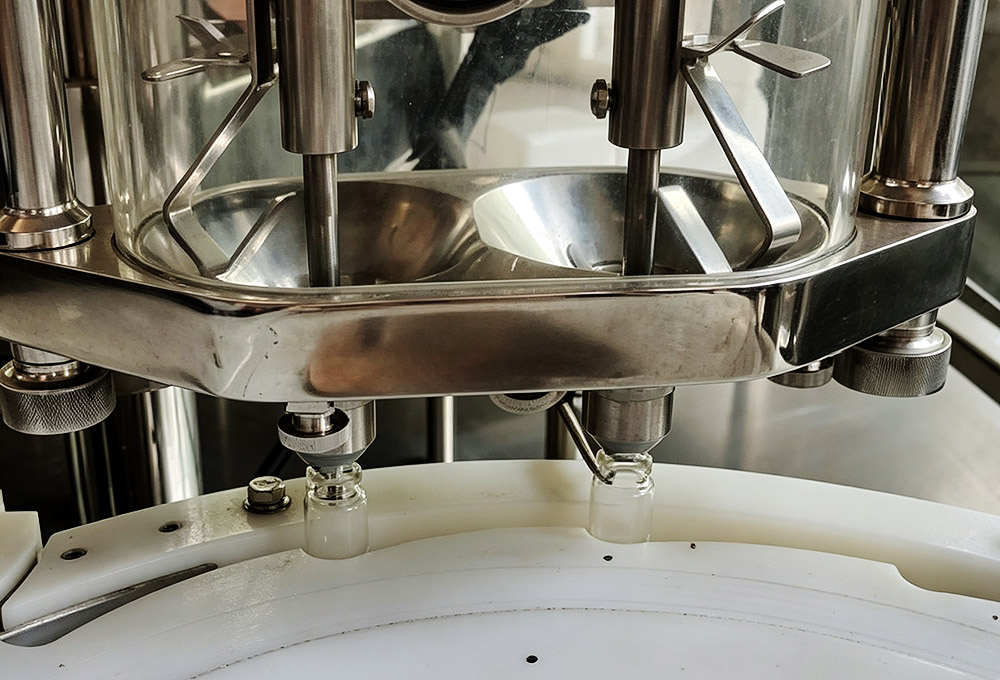
Can a Vial Filling Machine Handle Powder Products?
Yes, but you need the right attachments. Powder filling works very differently from liquid filling.
Yes, but you need the right attachments. Powder filling works very differently from liquid filling.
Instead of pumps, powder machines use auger feeders or vacuum-pressure systems to measure and release dry powder. The auger turns at a set speed and pushes a fixed volume of powder into each vial. This works well for antibiotics, powder vaccines, and freeze-dried drugs.
Powder systems usually have these items:
- Auger heads that turn and deliver measured powder.
- Vacuum systems that stop powder dust from escaping into the clean room.
- Tamping parts that pack the powder down for steady fill weights.
- Anti-static features that stop fine powder from sticking to the machine.
Powder filling is harder because powders differ a lot in density and flow. But a well-made machine can handle these differences and give you consistent results every cycle.
Key Differences Between Liquid and Powder Filling
You can run both types on the same line, but they are not the same process.
The main difference is how the material moves. Liquids go through pumps and nozzles, but powders need augers or vacuum systems. Cleaning is also different – powder residue needs a different approach than liquid residue.
Keep these big differences in mind:
- Filling speed: liquids flow easily, so they fill faster.
- Dosing accuracy: powder density changes, so you need more frequent checks and adjustments.
- Cleaning: powder stations need extra cleaning to avoid cross-contamination.
- Change-over time: switching from liquids to powders often means changing filling heads.
Knowing these differences helps you pick a machine that works for all your products and avoids too much downtime.
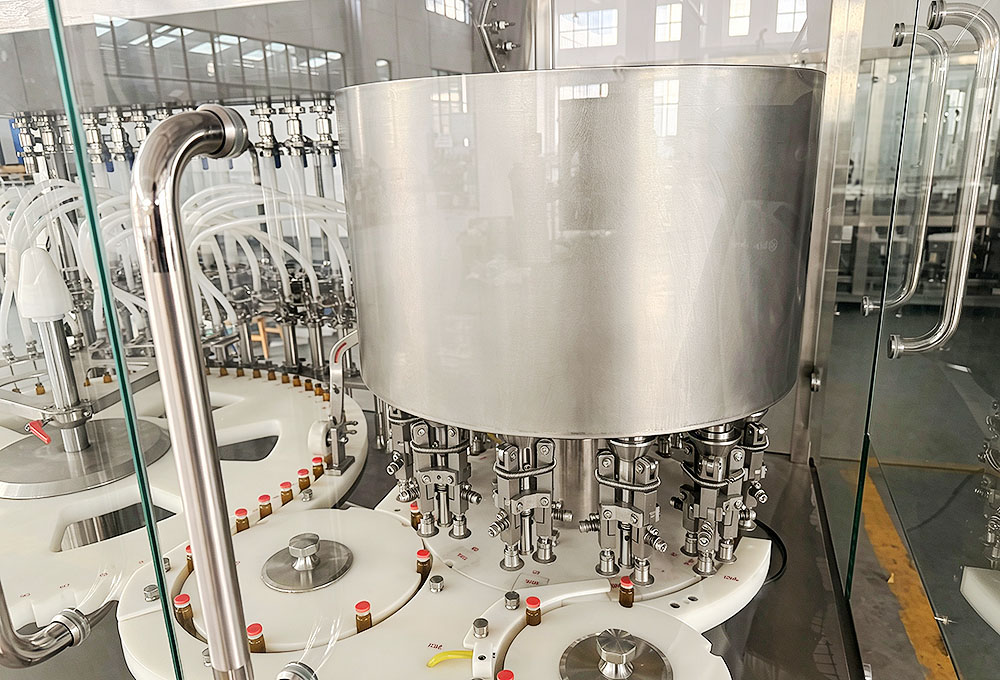
What Types of Vial Filling Machines Are Available on the Market?
Not all machines are built the same. You can choose based on your production size and product types.
Small labs and R&D centers usually use semi-automatic units. Large drug plants need fully automatic lines that run 24/7. There are also special aseptic systems for sterile environments.
Here are the common types:
- Manual and semi-automatic fillers for small batches and lab work.
- Automatic machines for high-speed, continuous production.
- Aseptic filling lines for sterile drugs and biologicals.
- Combined lines that handle both ampoules and vials, if you need both.
Your choice depends on daily output, budget, and regulatory rules. A good machine should grow with your business, not limit it.
Industries That Use Vial Filling Machines on a Daily Basis
Many industries use these machines every day, and the range is wider than you might think.
Drug makers are the biggest users. But biotech companies, diagnostic labs, and even some cosmetic brands also use them. Any industry that needs accurate, sterile filling into small containers can benefit.
The main industries are:
- Vaccine and biologics production – for tiny, sterile fills.
- Injectable drugs – like antibiotics, anesthetics, and hormones.
- Diagnostic labs – for reagents and test solutions.
- Skincare and cosmetics – for serums and active ingredients.
No matter the industry, the goal is the same: fill each vial correctly, safely, and quickly. That is exactly what these machines are designed to do.
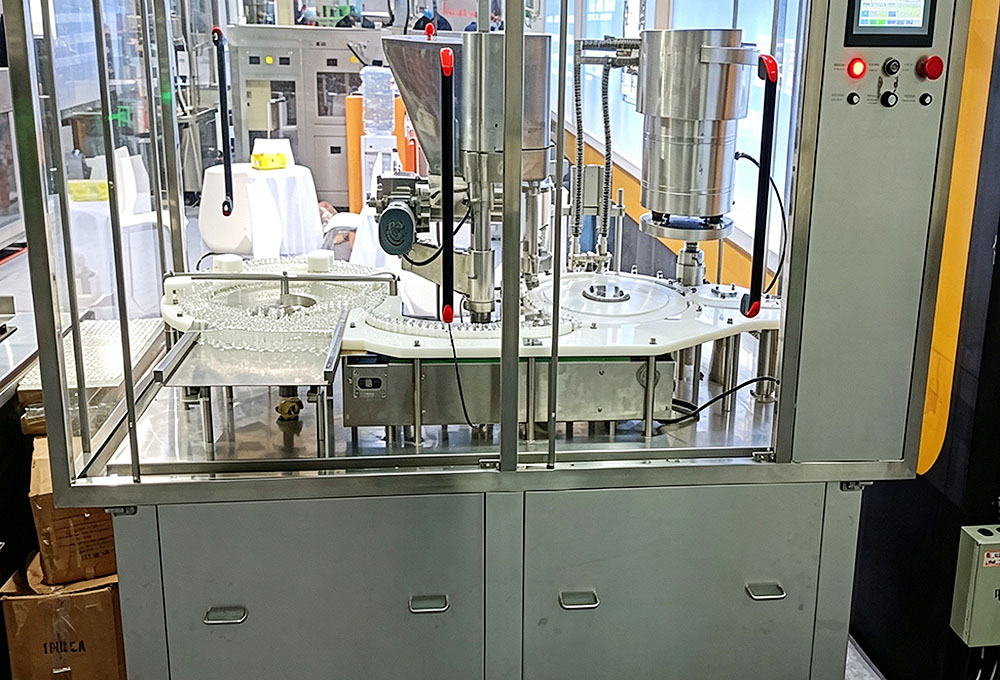
Essential Features of a Vial Filling Machine Worth Your Investment
Buying this equipment is a big expense, so you need to know what makes a great machine.
In drug production, you cannot afford errors. Frequent breakdowns or uneven fills will cost you more than repairs – and they hurt your reputation.
Look for these features when you choose:
- High-precision filling – with servo pumps and accurate auger feeders.
- Stainless steel frame – meets GMP and FDA standards.
- Flexible settings – work with different vial sizes and fill volumes.
- Combined filling, stoppering, and capping – do everything on one line.
A machine with all these features runs steadily, cleans easily, and adapts to new products later.
Practical Tips for Selecting a Suitable Vial Filling Machine
Choosing the right machine is easier when you know what to check. The main rule: match the machine to your real needs, not just buy the biggest or most expensive.
First, figure out your daily output, the types of products you will fill, and the rules you must follow. Then talk to a trusted manufacturer for advice.
Here are some helpful tips:
- Calculate your capacity and pick a machine that meets your daily targets.
- Check that the machine can handle both liquids and powders.
- Confirm it has GMP, FDA, and CE certifications.
- Ask about change-over time – faster switching means less downtime.
- Choose a reliable supplier that offers installation, training, and spare parts.
Working with an experienced vial filling machine manufacturer is very important. They do more than just sell you a machine – they help you integrate it into your line and keep it running for years.
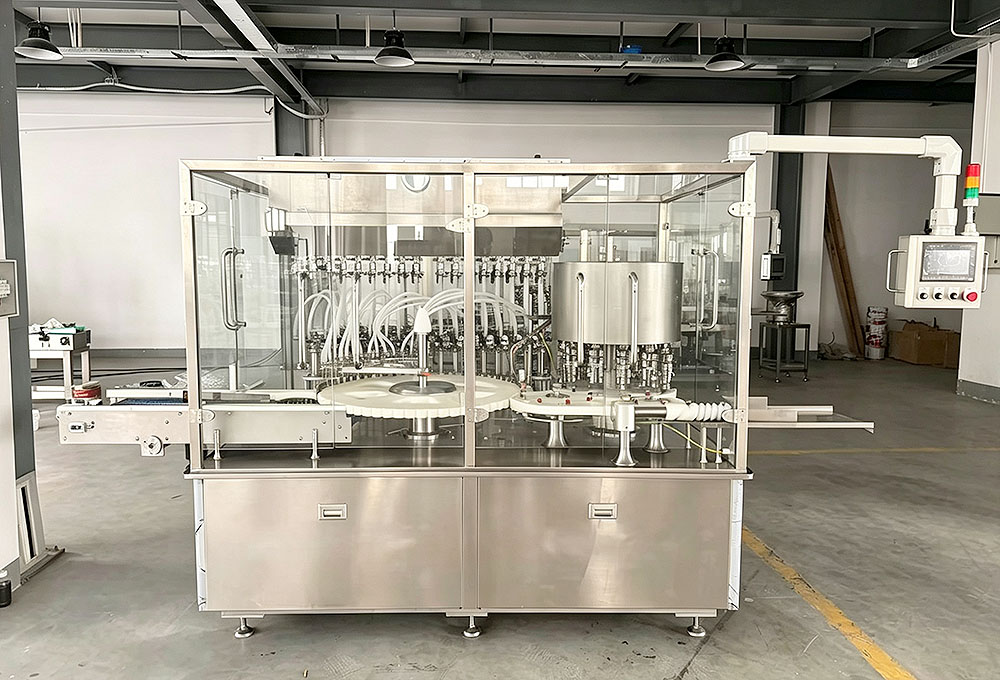
So, can one machine fill both liquids and powders? Yes – if you pick the right modules for your needs. Liquid filling is fast and accurate with pumps and nozzles. Powder filling uses augers and vacuum systems to handle dry materials safely. By understanding the differences, focusing on key features, and working with a good supplier, you can make a smart investment. Whether you make vaccines, antibiotics, or diagnostic reagents, the right system keeps your line efficient, compliant, and ready to grow.
FAQ
1. Can one vial filling machine handle both liquids and powders?
Yes, but you usually need to change the filling heads or metering modules. Some models allow quick switching between liquid pumps and powder augers – great for factories that make both.
2. What is the typical filling accuracy of a vial filling machine?
Most good machines achieve ±1% or better. The exact result depends on the pump, the material’s viscosity or density, and the machine’s calibration.
3. How do you clean a vial filling machine when switching between different products?
Usually you use CIP (Clean-in-Place) or SIP (Sterilise-in-Place). Follow the manufacturer’s protocol – flush with purified water and cleaners, then finish with steam or chemical sterilisation.
4. What vial specifications can these machines accommodate?
Standard models handle vials from 2ml to 100ml. Most makers also offer custom sizes for smaller or larger containers.
5. How long does installation and commissioning of a vial filling machine take?
It depends on complexity. Semi-automatic units may take a few days; a full aseptic line could take weeks. Good suppliers provide on-site installation, training, and final testing.