
Explore Vial Filling Machine Uses Across Multiple Industries
Explore Vial Filling Machine Uses Across Multiple Industries
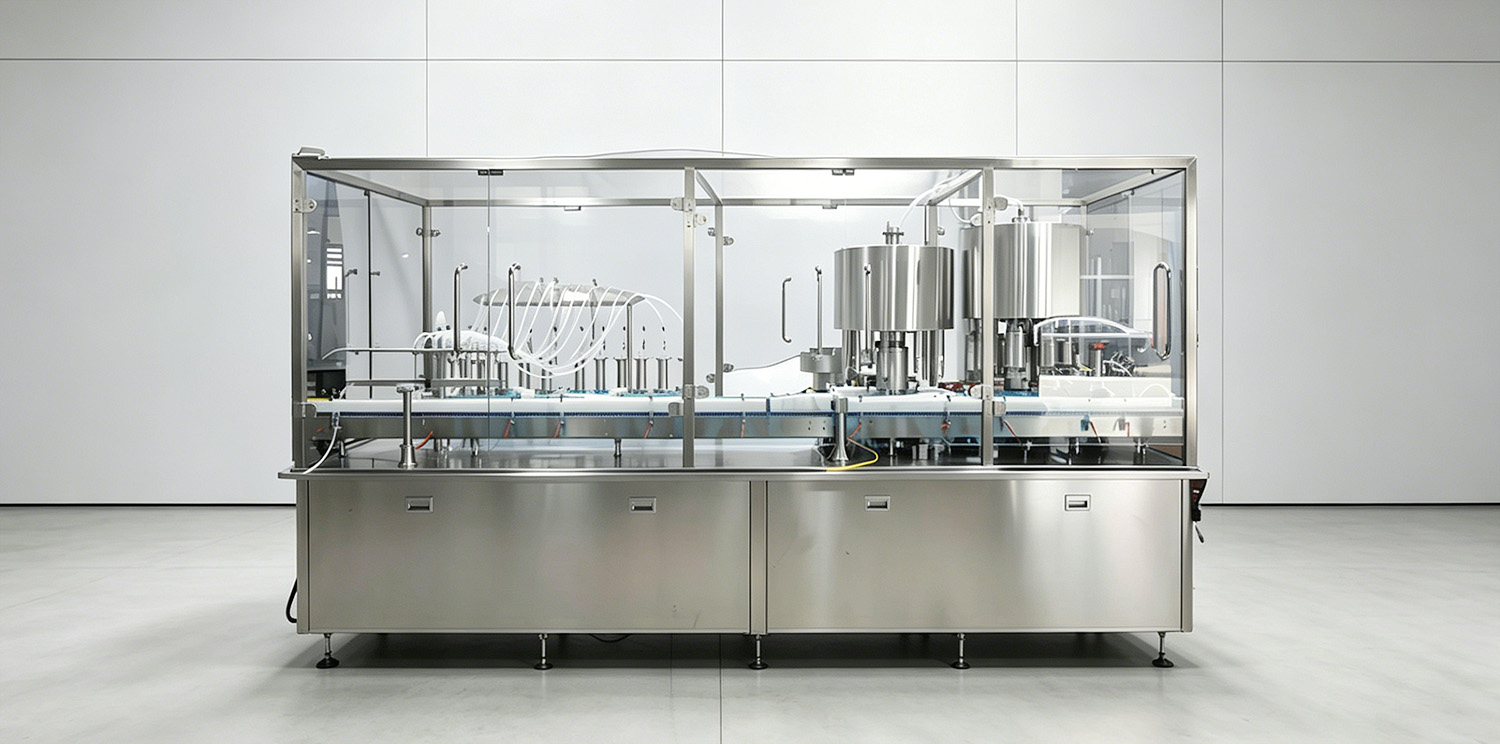
Walk into any modern production facility that handles small bottled products, and you will find a quiet workhorse behind the scenes: precise, fast, and reliable filling technology. From life-saving medicines to daily skincare essentials, small glass vials appear in almost every corner of our lives, but few people notice the specialized equipment that fills them accurately every single time. This guide breaks down everything you need to know about this equipment — what it is, how it works, which industries rely on it most, and how to pick the right model for your operation. Whether you run a small lab or a full-scale manufacturing plant, understanding these systems will help you make smarter production decisions.
What Is a Vial Filling Machine?
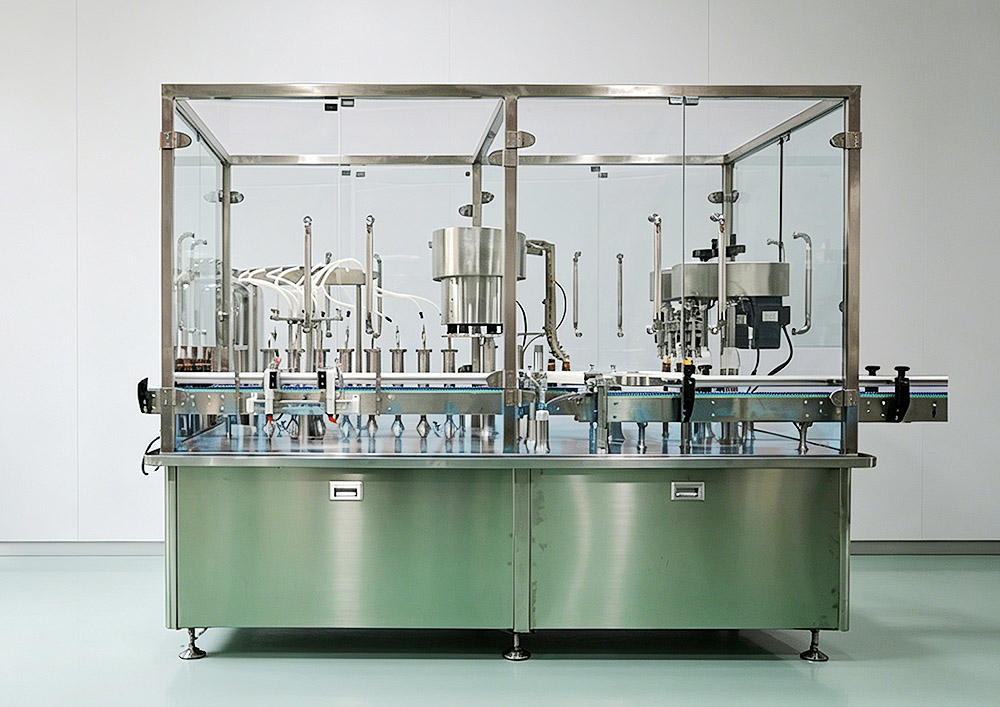
At its core, a vial filling machine is a specialized production device designed to dispense precise amounts of liquid, powder, or other substances into small glass or plastic vials. Unlike manual filling, which relies on human operation and carries higher risk of error, this equipment follows programmed settings to deliver consistent doses with every cycle. It usually works as part of a complete packaging line, pairing with capping, labeling, and inspection stations to form a seamless workflow.
Beyond basic dosing, these systems are built to meet strict industry standards for cleanliness, accuracy, and production speed. They can handle vials of different sizes, from tiny 1ml sample bottles to larger 50ml storage containers, and can be adjusted to match different product viscosities. For industries where even a tiny dosing error can cause serious problems, this level of control is not just a convenience — it is a necessity.
Common Types of Vial Filling Equipment
|
Not all filling systems work the same way. Different products and production volumes call for different machine designs, and choosing the right type directly affects your daily output and product quality. Most models on the market fall into five main categories, each built for specific use cases. 1. Liquid filling systems, optimized for water-like to moderately viscous fluids Each type comes with its own strengths and limitations. For example, semi-automatic models cost less and take up less space, but they require more manual input. Fully automatic lines run faster and need fewer workers, but they demand higher upfront investment and more regular maintenance. Matching the machine type to your actual production scale is always the first step. |
|
How Does Vial Filling Equipment Work?
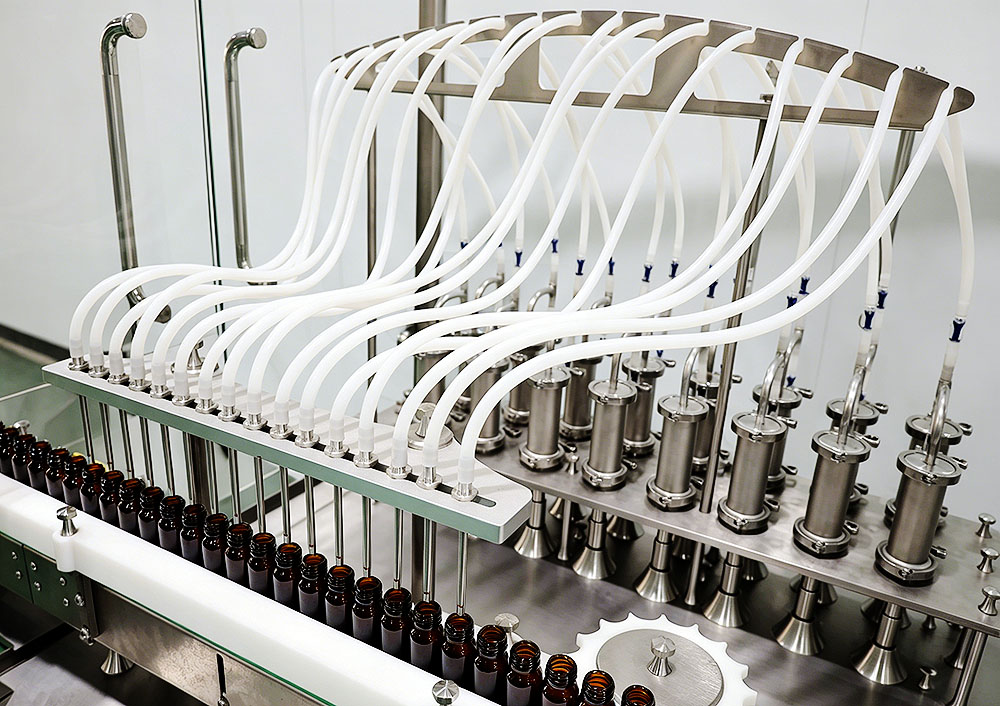
At first glance, a complete filling line may look like a complex set of moving parts, but the core process follows a clear, step-by-step logic. Every vial goes through the same sequence of stations before it comes out filled, sealed, and ready for the next stage. Most modern systems run on programmable logic controllers, so operators can adjust settings through a simple touchscreen interface.
1. Bottle feeding and orientation: empty vials are sorted and fed into the production line in the correct position
2. Washing and sterilization: vials are cleaned and often sterilized before filling to meet hygiene rules
3. Dosing and filling: product is dispensed into each vial with pre-set volume or weight
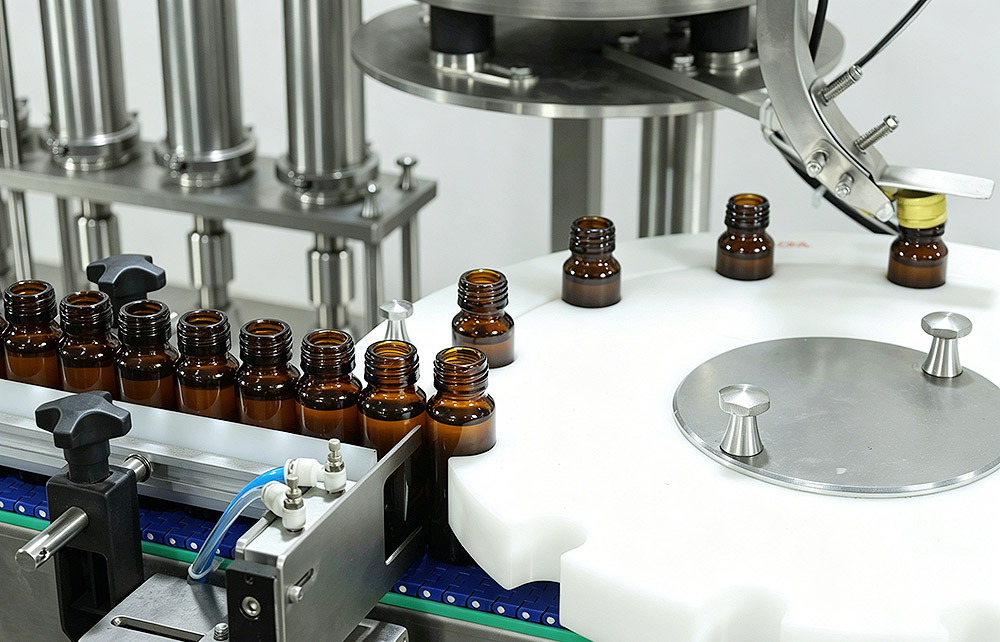
4. Stoppering and capping: rubber stoppers and aluminum caps are placed and sealed securely
5. Inspection and discharge: filled vials are checked for defects and sent out of the line
The whole process runs in a continuous, synchronized rhythm. Advanced models also include built-in detection features that can spot under-filled or over-filled vials, missing caps, or broken glass, and automatically remove faulty products from the line. This level of automation reduces waste and ensures that only qualified products move forward.
Applications in the Pharmaceutical & Medical Industry
The medical and pharmaceutical field is where precision filling systems play the most critical role. In this industry, product purity and dosing accuracy are not just quality goals — they are directly tied to patient safety, and production lines must follow strict regulatory requirements. As a result, most medical-grade filling systems are built for cleanroom environments.
 |
1. Injectable medications, including intravenous drugs and subcutaneous injections 2. Vaccine production, where sterile conditions and exact doses are mandatory 3. Antibiotic formulations, both liquid and powder-based preparations 4. In vitro diagnostic reagents used in hospital and clinical labs 5. Eye drops and other sterile ophthalmic products Every batch must be traceable, and every step of the filling process must be documented for audit purposes. That is why pharmaceutical-grade equipment often comes with advanced data recording features, automatic batch tracking, and compliance with international manufacturing standards. For this sector, reliability and regulatory compliance matter more than outright speed. |
Applications in the Biotechnology Sector
Biotechnology production comes with its own unique challenges. Many biological products are sensitive to temperature, air exposure, and mechanical stress, so standard filling equipment will not always work. Biotech-focused filling systems are designed to handle delicate materials without damaging their active properties.
1. Cell culture media and buffer solutions for lab and production use
2. Enzyme preparations and protein-based biological reagents
3. Serum and plasma products used in research and clinical work
4. Bulk reagent buffers for diagnostic kit manufacturing
5. Pre-filling for lyophilized (freeze-dried) biotech products
Many biotech production runs are relatively small but highly valuable, so equipment flexibility is extremely important. Systems used in this field often support quick format changes, low-shear pumping, and closed filling environments to prevent contamination. For biotech companies, protecting sample integrity during the filling process is always the top priority.
Applications in the Cosmetics & Personal Care Industry
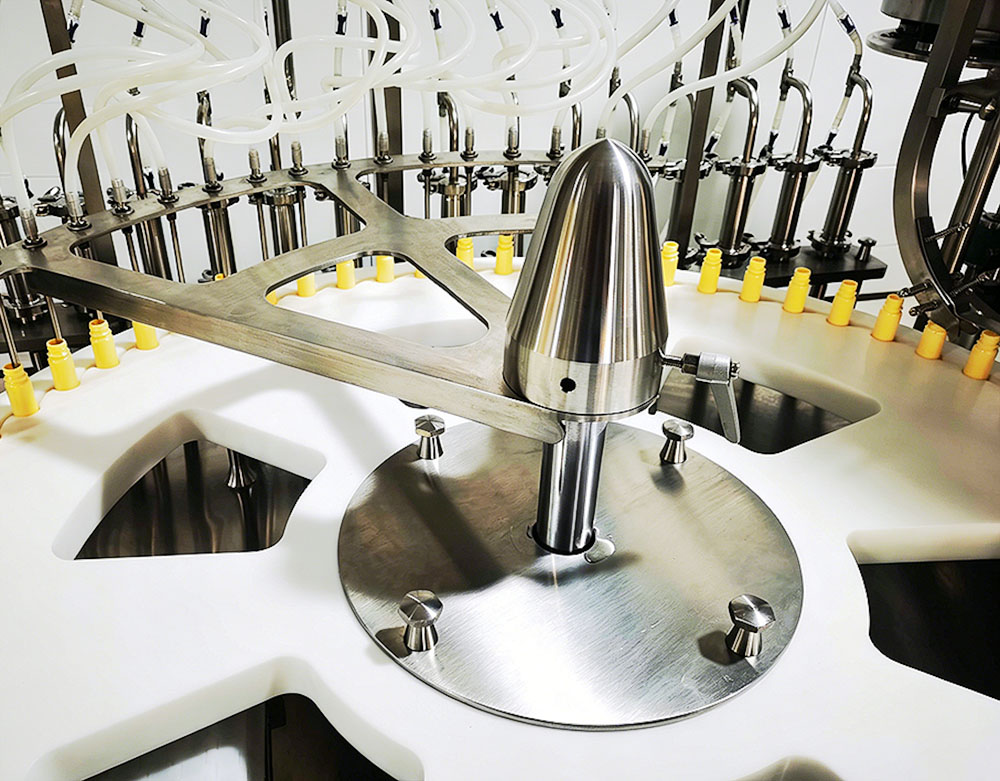
| Cosmetics and personal care brands use small vials for many of their most popular products, especially high-end skincare lines. In this industry, product appearance and consistent dosing have a direct impact on brand image and customer experience. Filling systems used here must handle a wide range of product textures. 1. Concentrated facial serums and ampoule skincare products 2. Essential oils and aromatic fragrance products in small bottles 3. Travel-sized samples and promotional trial packs 4. Professional skincare formulas used in beauty salons 5. Medical-grade cosmetic products for post-treatment care Cosmetics production often involves frequent product changes and multiple packaging sizes, so quick changeover capability is a major advantage. Many brands also require gentle filling techniques to avoid creating bubbles or changing product texture. For this market, equipment versatility and clean, elegant filling results are just as important as raw speed. |
 |
Applications in the Food & Beverage Industry
Food and beverage production is another area where small-bottle filling technology is widely used. Many concentrated, functional, or premium food products come in vial-sized packages, and filling systems for this sector must meet food safety and sanitation standards.
1. Functional oral liquids and health supplement drinks
2. Concentrated food flavorings and culinary extracts
3. Single-serve honey and premium syrup products
4. Herbal tonics and traditional wellness beverages
5. Natural food colorings and concentrated additives
Food-grade filling equipment is built with easy-to-disassemble parts and smooth, crevice-free surfaces so that operators can clean them thoroughly between production runs. They also use food-safe contact materials to avoid any risk of product contamination. For food manufacturers, easy cleaning and reliable sanitation are essential selection criteria.
Applications in Laboratory & Research Settings
 |
Not all filling equipment is built for mass production. Research laboratories, testing facilities, and small-batch trial lines need compact, precise filling solutions that can handle small run sizes and frequent product changes. Laboratory-grade fillers are usually smaller in footprint, easier to reconfigure, and optimized for high accuracy at low volumes. They are commonly found in quality control departments, university research centers, and product development labs where flexibility matters more than maximum output. 1. Standard reference material preparation for analytical testing |
Unlike industrial production lines, lab-scale systems often support both manual and semi-automatic operation modes. They can quickly switch between different vial sizes and product types without long setup times. For research teams, this level of adaptability makes daily work much more efficient.
How to Choose the Right Vial Filling Machine
Picking the right equipment starts with a clear picture of your product, your production goals, and your long-term plans. It’s not always about buying the fastest or most expensive model — it’s about finding one that fits your current needs while leaving room to grow. Working with an experienced vial filling machine manufacturer is the best way to avoid costly mistakes, because they can walk you through options and match a machine to your exact product and output requirements.
1.Start with your product type and viscosity to narrow down the right filling mechanism
2. Calculate your current and future production capacity to avoid outgrowing the machine too fast
3.Confirm the machine meets all industry compliance and sanitation standards for your sector
4. Decide between semi-automatic and fully automatic based on your labor and speed needs
5. Look for a vial filling machine manufacturer that offers training, parts, and ongoing support
Take time to ask questions, request test runs with your actual product, and compare total cost of ownership, not just sticker price. A reliable supplier will stand behind their equipment and help you troubleshoot issues as they come up. Making a thoughtful choice now means you’ll have a machine that serves your business well for years to come.
From life-saving injectable drugs to daily skincare serums, precise vial filling technology supports an enormous range of industries, each with its own standards and requirements. What unites all these use cases is the need for accuracy, consistency, hygiene, and reliable performance. Whether you work in pharmaceuticals, biotechnology, cosmetics, food production, or laboratory research, the right filling system can reduce waste, improve product quality, and help your operation run more smoothly. By understanding the different machine types, core working principles, industry-specific needs, and key selection factors, you are already in a much better position to find the equipment that fits your business best.
FAQ
1. What is the main function of a vial filling machine?
Its main job is to dispense exact amounts of liquid, powder, or other materials into small vials in a repeatable, controlled way. It replaces manual filling work, improves dosing accuracy, reduces product waste, and helps production lines meet industry hygiene and quality standards.
2. Can one filling machine handle both liquids and powders?
Most standard systems are built for either liquid or powder filling, not both at the same time, because they use different dosing mechanisms. However, some modular systems allow you to switch filling heads for different product types, though this requires setup time between runs.
3. Which industries use this type of equipment most often?
Pharmaceuticals and medical products are the largest users, followed by biotechnology, cosmetics and personal care, food and beverage, and laboratory research. Any industry that packages products in small, sealed vials can benefit from automated filling technology.
4. What is the price range for a typical vial filling machine?
Prices vary widely based on automation level, capacity, build quality, and industry grade. Entry-level semi-automatic models cost much less, while high-speed fully automatic pharmaceutical-grade lines represent a much larger investment. It is best to request quotes based on your exact production needs.
5. How often does filling equipment need maintenance?
Basic daily maintenance usually includes cleaning and visual checks. Full preventive maintenance is typically done every few months, depending on running hours and product type. Following the manufacturer’s maintenance schedule will extend machine life and reduce unexpected downtime.