
How Much Does a Vision Inspection Machine Cost?
How Much Does a Vision Inspection Machine Cost?
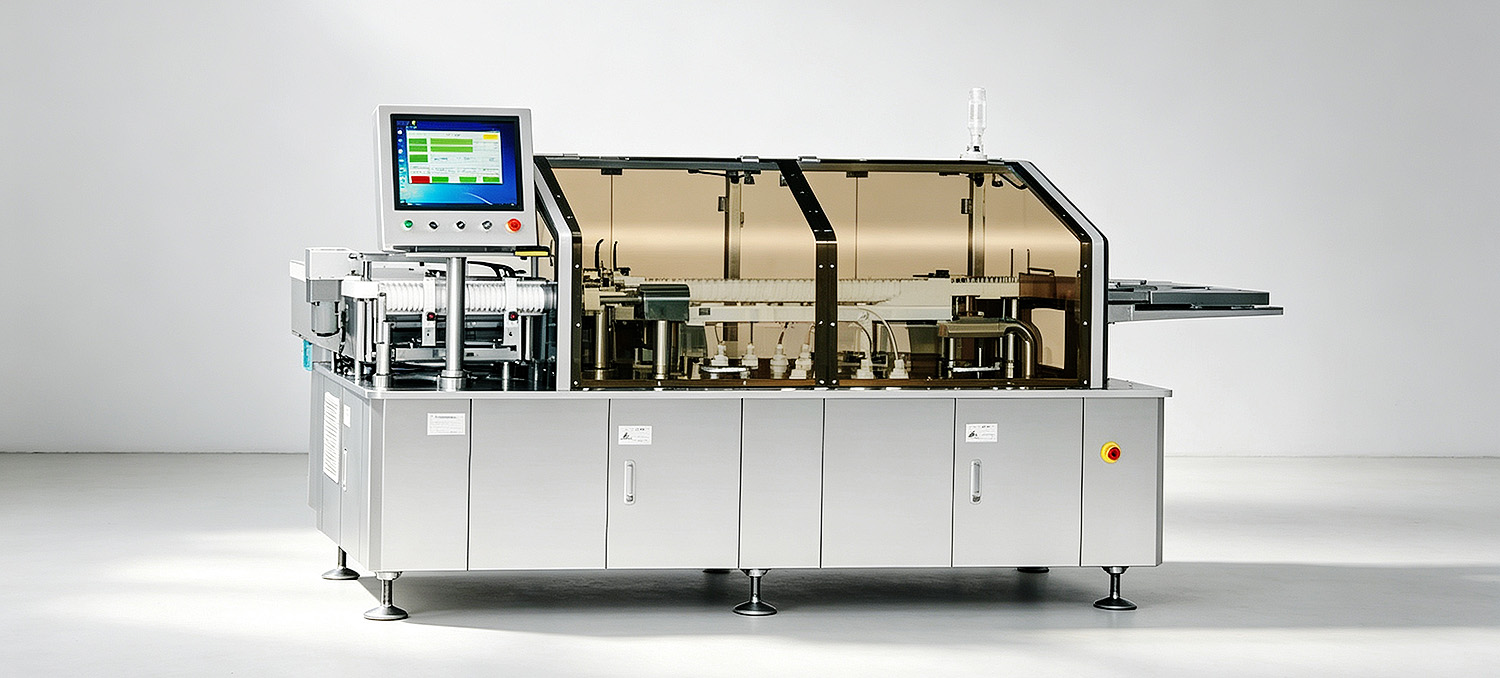
If you run a manufacturing business, you have likely asked yourself this question more than once: How much does a vision inspection machine actually cost? As a core piece of quality control equipment, these machines do not have a standard price. Whether you operate a small workshop or a large factory, it is important to know the true total cost before you buy. This guide gives you a full breakdown of all related expenses, using clear language and no unnecessary jargon. It provides real price ranges and practical advice to help you make a smart choice.
What Is a Vision Inspection Machine?
A vision inspection machine is an automated quality control system. It uses industrial cameras, sensors, and software to check for defects, measure dimensions, and verify product quality without manual work. Think of it as a powerful set of "electronic eyes" that never get tired. These eyes can catch tiny flaws that even experienced human inspectors might overlook. This equipment is used in many industries, such as electronics, auto parts, food packaging, and pharmaceuticals. It detects scratches on circuit boards, checks if labels are straight, and counts pills in blister packs. In short, if your company wants consistent inspection standards and wants to stop defective products from reaching customers, a vision inspection machine is a smart investment.
Core Factors That Determine the Price of Vision Inspection Machines
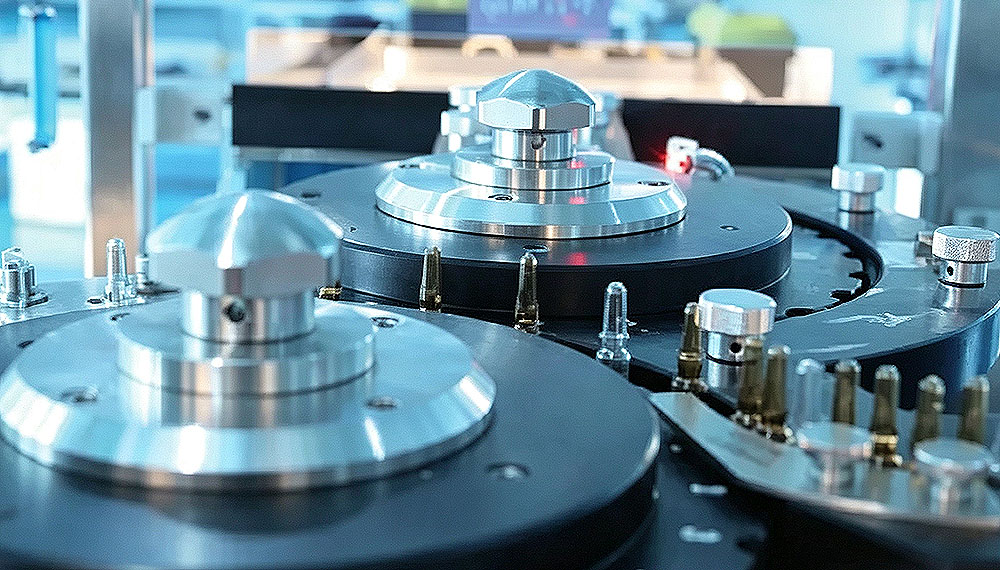
There is no single fixed price for a vision inspection machine. The final quote depends on several key conditions. Knowing these factors will help you plan your budget accurately. Every detail, from how complex your inspection task is to the level of automation you need, will change the price a supplier offers you:
| 1.Camera Resolution & Hardware Quality: Higher-megapixel cameras produce clearer images, but they also cost more. 2.Software Complexity: Basic rule-based software costs less, while systems with AI deep learning algorithms have a much higher price. 3.Production Line Integration Requirements: If the machine needs to connect and work with your existing assembly line, there will be extra integration fees. 4.Inspection Speed Requirements: Models built for fast production lines need better hardware, so they cost more. 5.Brand & After-Sales Support: Well-known brands with strong after-sales service usually have higher overall machine prices. |
 |
Categories of Vision Inspection Machines and Corresponding Price Ranges
Different types of vision inspection machines serve very different purposes. Your choice directly affects your total budget. Understanding the main categories helps you avoid spending money on features you do not need. Whether you need a simple sorter or a fully automated AI-powered system, knowing the options is key:
1.Basic Optical Sorters: Entry-level units for simple color and size sorting.
2.2D Vision Inspection Systems: Standard models for surface defect detection and dimensional measurement.
3.3D Vision Inspection Systems: High-end machines that analyze height, volume, and three-dimensional shape.
4.AI Intelligent Vision Inspection Machines: Systems with deep learning to identify irregular and complex defects.
5.Integrated Inline Production Line Equipment: Fully automatic units built directly into manufacturing lines.
6.Custom Exclusive Solutions: Tailored systems for unusual product shapes or special inspection needs.
Costs of Entry-Level Vision Inspection Machines
Entry-level vision inspection machines are a cost-effective choice for new businesses and small processing shops. They can handle basic quality checks with a low initial investment, making them a popular option for companies trying automated inspection for the first time. The details are as follows:
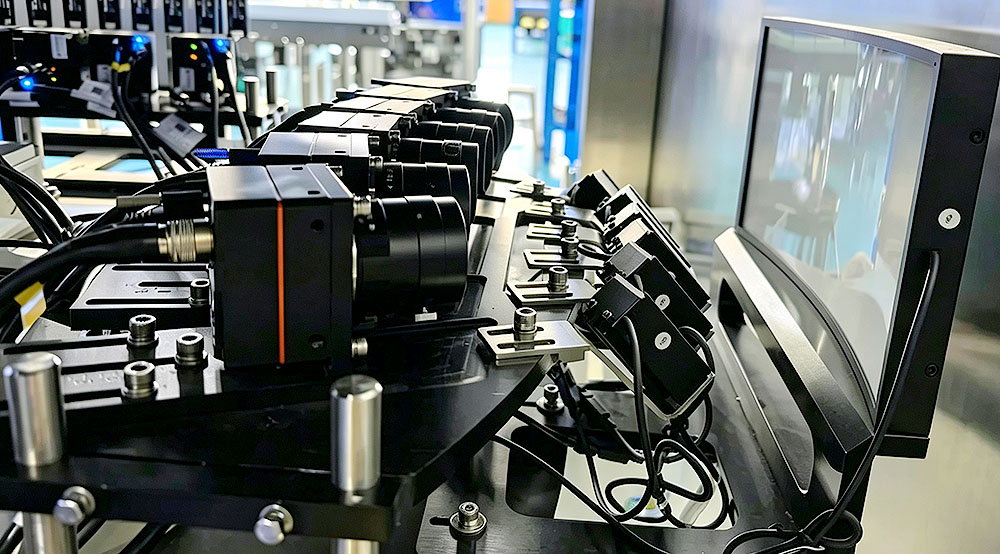 |
1.Price Range: $5,000 to $20,000 based on different configurations. 2.Applicable Scenarios: Micro and small enterprises, startup factories, and low-throughput production lines. 3.Core Configurations: Basic single-camera modules, simple inspection software, and manual loading and unloading. 4.Machine Limitations: Slow inspection speed and a limited range of detectable defect types. 5.Return on Investment: Even basic models can greatly cut costs from human misjudgment and rework. |
Costs of Mid-Range Vision Inspection Machines
Mid-range vision inspection machines offer a good balance between cost and performance. They meet the needs of most standard manufacturing situations. These machines are a good fit for companies that want better performance than entry-level models but are not ready to spend hundreds of thousands of dollars. Their features include:
1.Price Range: $20,000 to $80,000.
2.Standard Built-In Functions: Multi-camera imaging modules, high-performance computing software, and faster processing speeds.
3.Applicable Industries: Electronic components, auto spare parts, packaging, and medical devices.
4.Software Capabilities: Built-in advanced inspection algorithms, quality statistical reports, and intuitive visual operation interfaces.
5.Operation & Maintenance Costs: Moderate expenses, requiring annual routine calibration and on-demand replacement of small quantities of consumables.
Costs of High-End Vision Inspection Machines
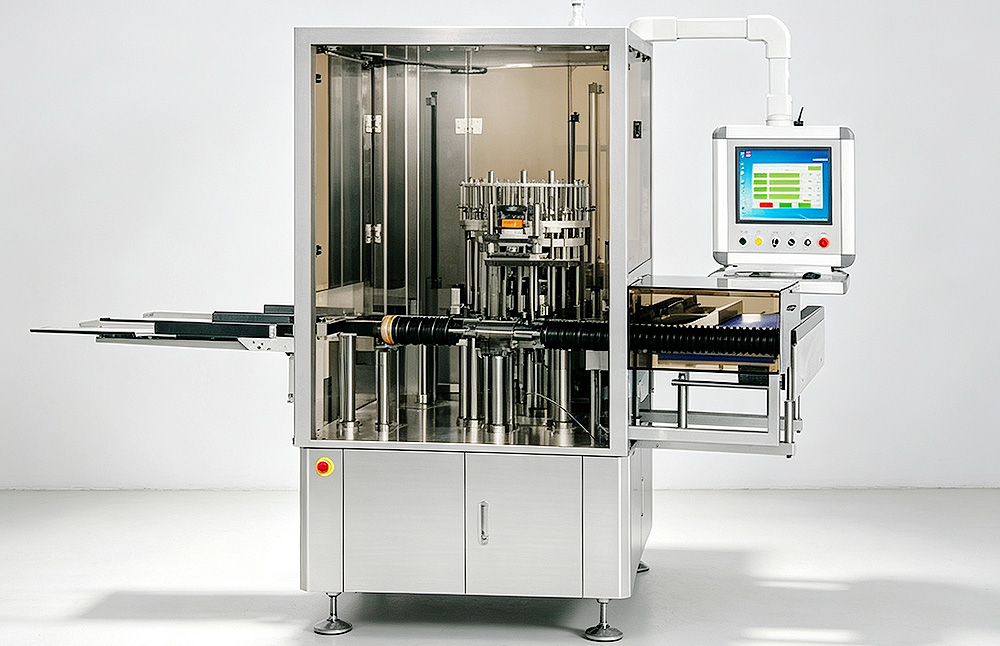
High-end vision inspection machines are the top choice for large manufacturers with very strict quality requirements. They use the latest technology and offer ultra-fast inspection speeds to handle complex, high-precision tasks that human workers cannot do reliably. Their key characteristics are:
| 1.Price Range: Starting at $300,000 and above. 2.Advanced AI Functions: Deep learning models that continuously improve defect identification accuracy with prolonged operation. 3.Multi-Camera Imaging Solution: Synchronized multi-angle and multi-spectral shooting to achieve full-coverage, blind-spot-free product inspection. 4.Production Capacity Adaptation: Specially engineered for high-speed assembly lines with stable non-stop long-term operation. 5.Customization Capacity: Comprehensive personalized modifications available according to product shapes, production line layouts, and quality inspection standards. |
 |
Overlooked Hidden Costs When Purchasing Vision Inspection Machines
The advertised machine price is only part of the upfront cost. Many buyers do not think about ongoing expenses, which can quickly add up if you do not plan for them. These hidden costs are important to include in your budget:
1.Installation, Commissioning & Staff Training: On-site professional machine installation and operator skill training usually incur separate charges.
2.Software Licensing Fees: Some systems adopt annual subscription models or charge licenses by operating workstation.
3.Machine Calibration & Routine Maintenance: Regular calibration is a mandatory expense to guarantee inspection precision.
4.Spare Parts & Repair Fees: Cameras, light sources, and sensors are consumable components that need replacement once their service life expires.
5.Equipment Upgrade Fees: Subsequent hardware and software iterative upgrades to ensure compatibility with inspection requirements for new products.
Selecting a Suitable Vision Inspection Machine Aligned With Your Budget
Choosing the right vision inspection machine does not have to be complicated. First, clearly define your inspection needs, production line speed, and a realistic budget. Then, compare several suppliers, ask for product testing with your actual parts, and calculate the total cost over the full life of the equipment. Follow these steps:
 |
1.Define Inspection Requirements: List all types of product defects that need to be detected precisely. 2.Formulate a Complete Budget: Incorporate hidden costs such as training and maintenance into budget planning. 3.Request On-Site Product Demo: Test the machine’s inspection performance with your actual products. 4.Compare Quotations From Multiple Suppliers: Prioritize evaluation of after-sales support, warranty periods, and authentic customer feedback. 5.Calculate Total Cost of Ownership: Take long-term operation and maintenance expenses into account instead of only focusing on the upfront purchase price. |
There is no single answer to how much a vision inspection machine costs. Entry-level models start around $5,000, while high-end systems can exceed $300,000. But the price tag itself is less important than finding a machine that fits your products, production goals, and budget. Do careful research, compare multiple suppliers, and do not hesitate to ask vendors detailed questions. A well-chosen vision inspection machine is not just an expense; it is a long-term investment that improves product quality, reduces your defect rate, and boosts customer satisfaction.
FAQ
1. What is the average selling price of a vision inspection machine?
Most businesses buy stable mid-range models priced between $20,000 and $80,000. Basic entry-level units can be found for around $5,000.
2. Can buying a used vision inspection machine save costs?
Yes, second-hand equipment can lower your upfront costs a lot. But you must confirm that the software license is included and that you will have access to technical support from the supplier.
3. What is the standard service life of a vision inspection machine?
With regular maintenance, most machines can run stably for 7 to 10 years. They will need software updates from time to time to handle new product inspections.
4. Does a vision inspection machine require heavy daily maintenance?
Daily maintenance is generally light. It involves simple cleaning, a calibration once a year, and replacing a small number of consumable parts as needed.
5. Is it better to purchase or lease a vision inspection machine?
Buying is usually better for long-term, stable production. Leasing can be a good choice for short-term technology trials or when you need flexibility in production capacity.