
How to Pick a Labeling Machine for Pharma Production
How to Pick a Labeling Machine for Pharma Production
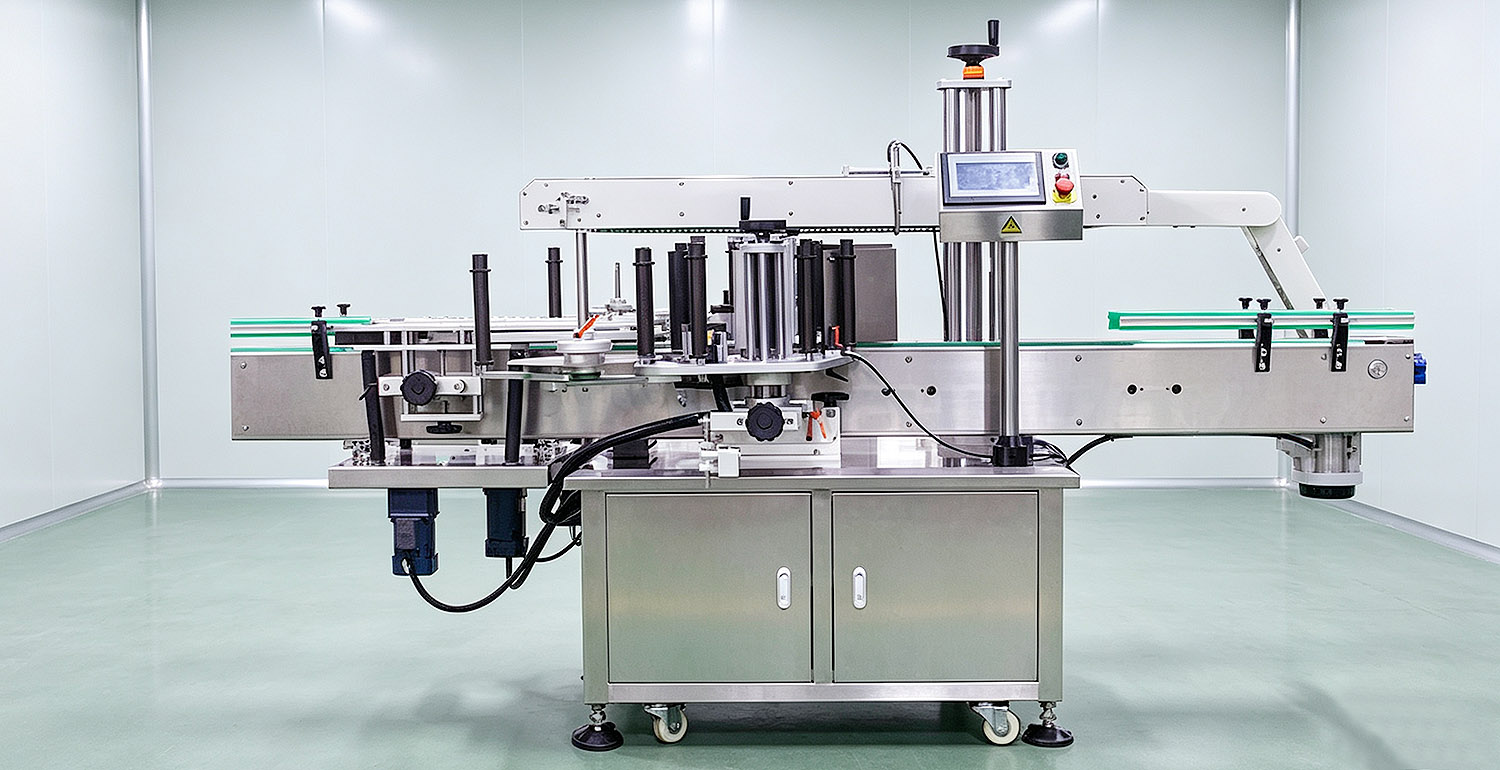
You can picture this: it is 11 p.m., and QA just flagged a batch because the labels came out slightly crooked on 3% of the vials. Now you are pulling product off the line, filing a deviation report, and explaining to your boss why the shipment is delayed. If you have worked in pharma packaging for any time, some version of this has probably happened to you. It usually traces back to one thing: the wrong labeling machine for the job.
Choosing a labeling machine is not just a line-item purchase. It is the piece of equipment standing between "compliant, on-time shipment" and "recall, rework, and an angry email from QA." In this guide, we walk through what to check before you buy. We want you to end up with a machine that fits your products, your speed, and your budget. We do not want you to pick whatever is cheapest on the spec sheet.
Why Labeling Matters More Than You Think in Pharma Production
Labels are not just stickers. In pharma, they are a legal requirement with real teeth. Every vial, ampoule, or syringe that leaves your facility has to carry accurate dosage information, batch numbers, expiry dates, and often a UDI (Unique Device Identification) code. If any of that is wrong, you are not just looking at wasted packaging. You are looking at a regulatory finding, or worse, a recall.
That is the real reason manufacturers move away from manual labeling. Hand-applying labels is slow, inconsistent, and prone to error. This is true no matter how careful your team is, especially when you run thousands of units an hour. A properly chosen labeling machine takes that risk off the table almost entirely. It does this consistently, shift after shift.
Bad labeling also has a quieter cost: brand trust. A wrinkled or off-center label on a medical product makes buyers question what else might have gone wrong during production. So this decision touches everything from legal compliance to how credible your product looks when someone picks it up.
Start by Understanding Your Product Type
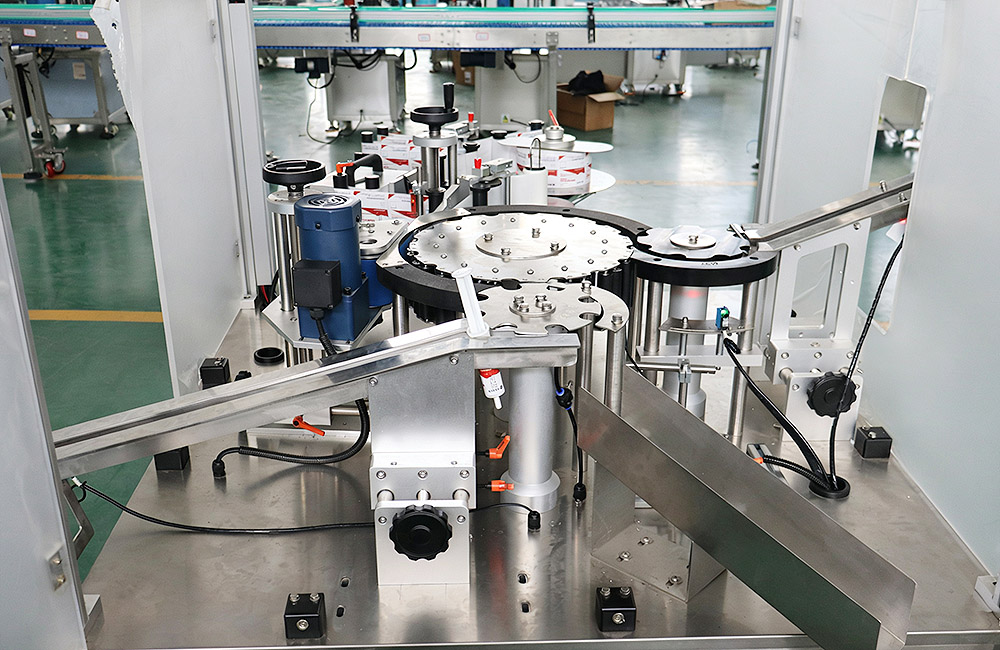
Before you look at a single spec sheet, get specific about what you are actually labeling. Vials, bottles, ampoules, syringes, and tubes all move differently on a conveyor. Each shape needs a different label application method. A labeling machine built for round vials will not necessarily handle a flat surface or an odd-shaped syringe barrel well. Skipping this step is how buyers end up with equipment that is a poor fit from day one.
Before you start shopping, you should nail down:
Container shape (round, flat, cylindrical, or irregular)
Container material (glass, plastic, or metal)
Label size, and whether you need front, back, or wrap-around application
Whether the surface is dry, cold, or prone to condensation
Batch variety—how often do you switch between container sizes?
Once you are clear on these points, you can shortlist the type of labeling machine that matches your line. You do not have to buy a generic model and hope it works.
Match Machine Speed to Your Production Line
Speed mismatches are one of the most expensive mistakes buyers make. A labeling machine that is too slow turns into your bottleneck. Everything upstream has to wait on it. A machine that is too fast just sits underused, and you have paid for capacity you will never touch.
Before you commit to a speed spec, you should work through:
Your current output per hour, plus realistic growth over the next few years
Whether your filling and capping equipment can actually keep pace with a faster labeler
How much downtime you can tolerate during changeovers between batches
Peak-season demand versus your average daily run rate
You should talk to your supplier about your real numbers instead of guessing at a round figure. A good manufacturer will recommend a labeling machine speed range based on your actual filling line throughput. They should not just sell you their fastest model.
Check Labeling Accuracy and Inspection Features
Accuracy is where a labeling machine either earns its keep or becomes a liability. In pharma, "close enough" is not a standard. It is a rejected batch, and rejected batches cost real money and real time.
When you compare machines, you should look closely at:
Vision inspection systems that catch misprints or missing labels in real time
Barcode and print-quality verification before the product moves downstream
Automatic rejection of non-conforming units before they reach packing
Servo-driven applicators for consistent, wrinkle-free placement
The better labeling machines on the market now bundle printing, inspection, and rejection into one integrated system. That means your QA team does less manual double-checking. It also means a bad label is far less likely to slip through unnoticed until it becomes a bigger problem.
Consider Cleanroom and Regulatory Compliance
Pharma production does not happen on a regular factory floor. Most of it runs inside cleanrooms with strict contamination controls. Whatever labeling machine you bring in has to fit that environment without compromising it. That rules out a lot of standard industrial equipment right away.
Before you sign off on a purchase, you should confirm:
Cleanroom-compatible construction (materials, sealing, easy-to-clean surfaces)
Compliance with the regulatory standards in your target markets
Documentation and validation support from the supplier
Traceability features that hold up during audits and inspections
Equipment that is not built for cleanroom use can introduce contamination risk instead of reducing it. So you should treat this as a hard filter, not a nice-to-have, early in your search.
Think About Flexibility for Future Products
Your product lineup today probably will not look the same in three years. If you buy a labeling machine that only handles one container size or shape, you can end up retooling or shopping for a second machine sooner than you would like.
You should look for flexibility in:
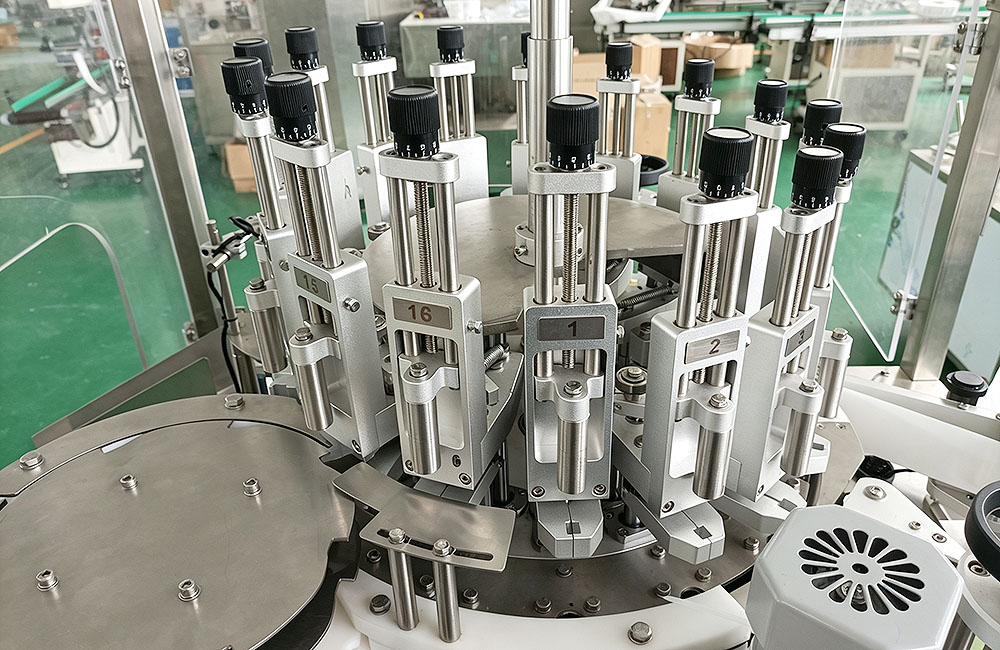
Quick-change fixtures for different bottle or vial sizes
Adjustable label placement for different label formats
Compatibility across container materials
Touch-screen controls that let operators switch product recipes fast, without a service call
A flexible labeling machine usually costs a bit more upfront. But the first time you launch a new product without buying new equipment, it has already paid for itself.
What to Look for in Labeling Machine Manufacturers
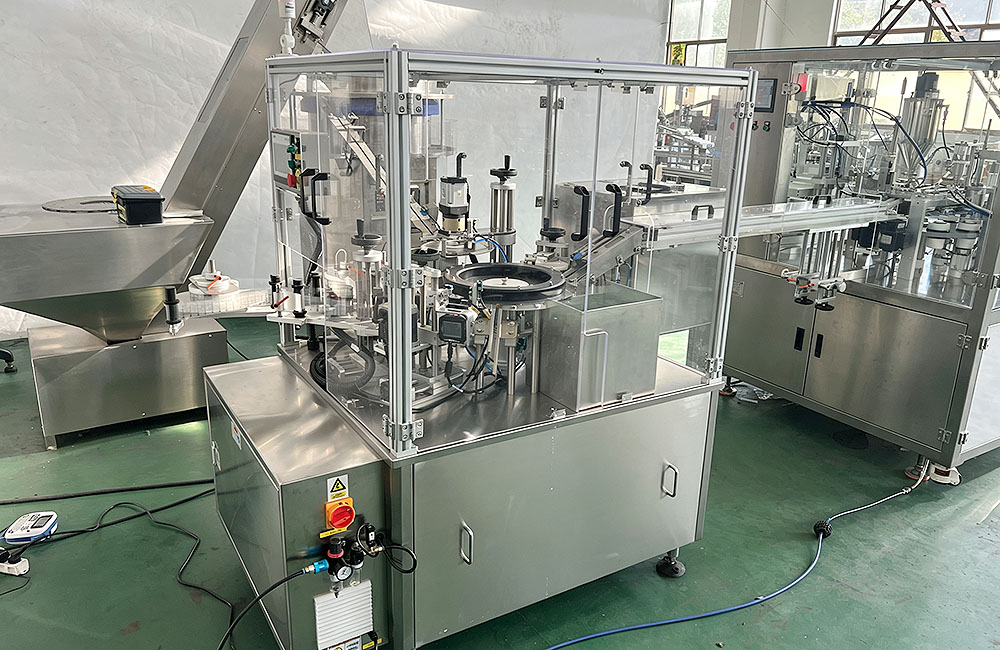
The machine matters, but so does who built it and who stands behind it. Even a well-engineered labeling machine can turn into a headache if the manufacturer does not offer solid service, fast spare parts, or someone who actually answers the phone when a line goes down.
When you compare labeling machine manufacturers, you should weigh these points:
Track record specifically in pharmaceutical and medical packaging
How fast genuine spare parts actually ship, not just whether they exist
On-site installation, commissioning, and hands-on operator training
Remote diagnostics and how responsive their technical support really is
CE certification and other documentation relevant to your markets
Customer references from production environments similar to yours
Choosing among labeling machine manufacturers is really choosing a long-term partner, not a one-time transaction. So it is worth the extra week of due diligence before you sign.
Labeling Machine Recommendations from Mic Machinery
Specs on paper only get you so far. At some point it helps to see real options. Mic Machinery builds a full range of labeling equipment for pharmaceutical and medical packaging. You can find six models worth a closer look depending on your container type and output needs.
MIC-A Vial Labeler — Best if you are labeling small or cylindrical vials and need reliable, wrinkle-free placement. It runs 40–200 bottles per minute with a compact footprint that fits into tighter cleanroom layouts.
MIC-B Vial Labeling Machine — A solid pick for high-speed vial lines where you cannot afford surprises. Smart detection catches errors before they become rejects, not after.
MIC-D Pharmaceutical Labeling Machine — The more versatile option if your line handles a mix of container shapes and you do not want to commit to a single-purpose machine.
MIC-DS Tube Labeling Machine — Purpose-built for tubes, which are notoriously hard to label evenly on a standard machine. This one is engineered specifically around that shape.
MIC-TG Syringe Label Applicator — Made for high-volume syringe lines. It handles up to 400 units per minute without sacrificing placement accuracy.
MIC Ampoule Labeling Machine — Built for ampoules specifically, where the smaller, more delicate surface makes standard labelers a poor fit.
All six run on servo-driven applicators with touch-screen controls. They are built cleanroom-compatible from the ground up. So they drop into most pharmaceutical packaging lines without a major redesign. If you are not sure which model fits your exact product mix and output target, reach out to Mic Machinery's team directly with your specs. That is usually faster than guessing from a spec sheet alone.
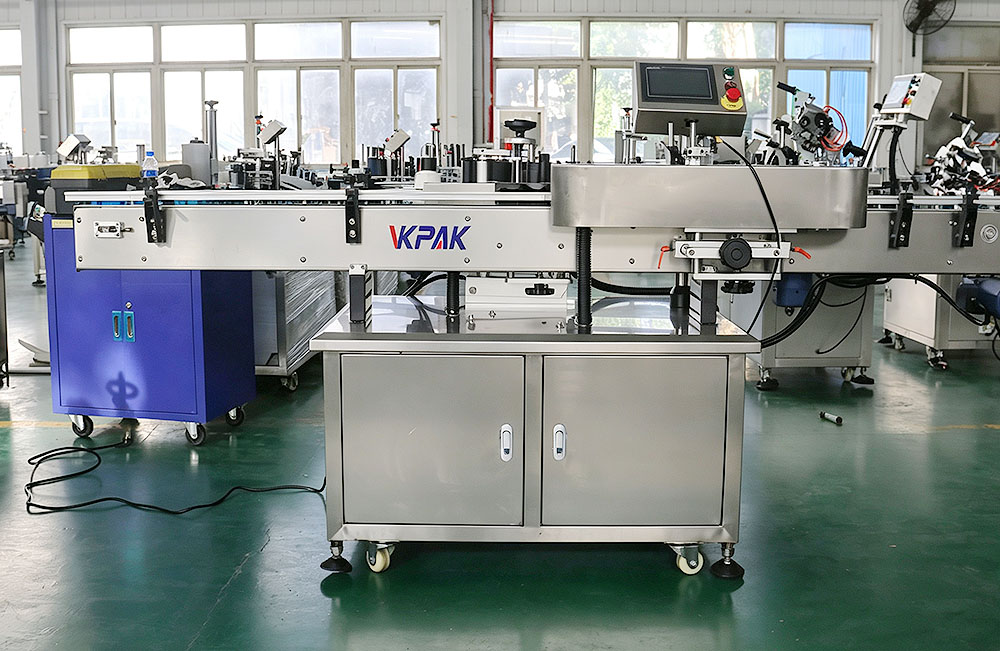
Picking the right labeling machine really comes down to four things: knowing your product, knowing your speed requirements, understanding your compliance obligations, and knowing who will support the equipment after it is installed. If you rush any one of those, you risk ending up with a machine that does not fit your line. You also risk a compliance headache six months in. You should map out your requirements first, then compare machines and manufacturers against that list, not the other way around. If you would rather skip the trial and error, Mic Machinery's team can walk you through which model actually matches your production. You can just reach out with your container type and target speed to get started.
FAQ
1. What is a labeling machine used for in pharma production?
It is used to apply labels—dosage info, batch numbers, expiry dates, and UDI codes—accurately and consistently onto vials, bottles, ampoules, syringes, and other medical containers.
2. How fast can a pharmaceutical labeling machine run?
It depends on the model and container type, but many machines handle anywhere from 40 bottles per minute up to 400 units per minute for smaller items like syringes.
3. Can one machine label different container shapes?
Some models use quick-change fixtures to switch between container sizes, while others are built for one specific shape. You should check this before buying if your product line varies often.
4. Why is cleanroom compatibility important for labeling equipment?
Pharma production happens in controlled environments, and non-compliant equipment can introduce contamination risk. Cleanroom-compatible machines use materials and sealing designed to meet those standards.
5. What inspection features should I look for?
Vision inspection, barcode verification, and automatic rejection of non-conforming units are the features that catch labeling errors before they move further down the line.
6. How do I choose between different labeling machine manufacturers?
You should look at their track record in pharma packaging, how fast spare parts actually ship, the installation and training support they offer, and whether they provide proper certification for your target markets.