
Vial Filling Machine Upgrade: US Pharma Doubles Its Production Capacity
Vial Filling Machine Upgrade: US Pharma Doubles Its Production Capacity
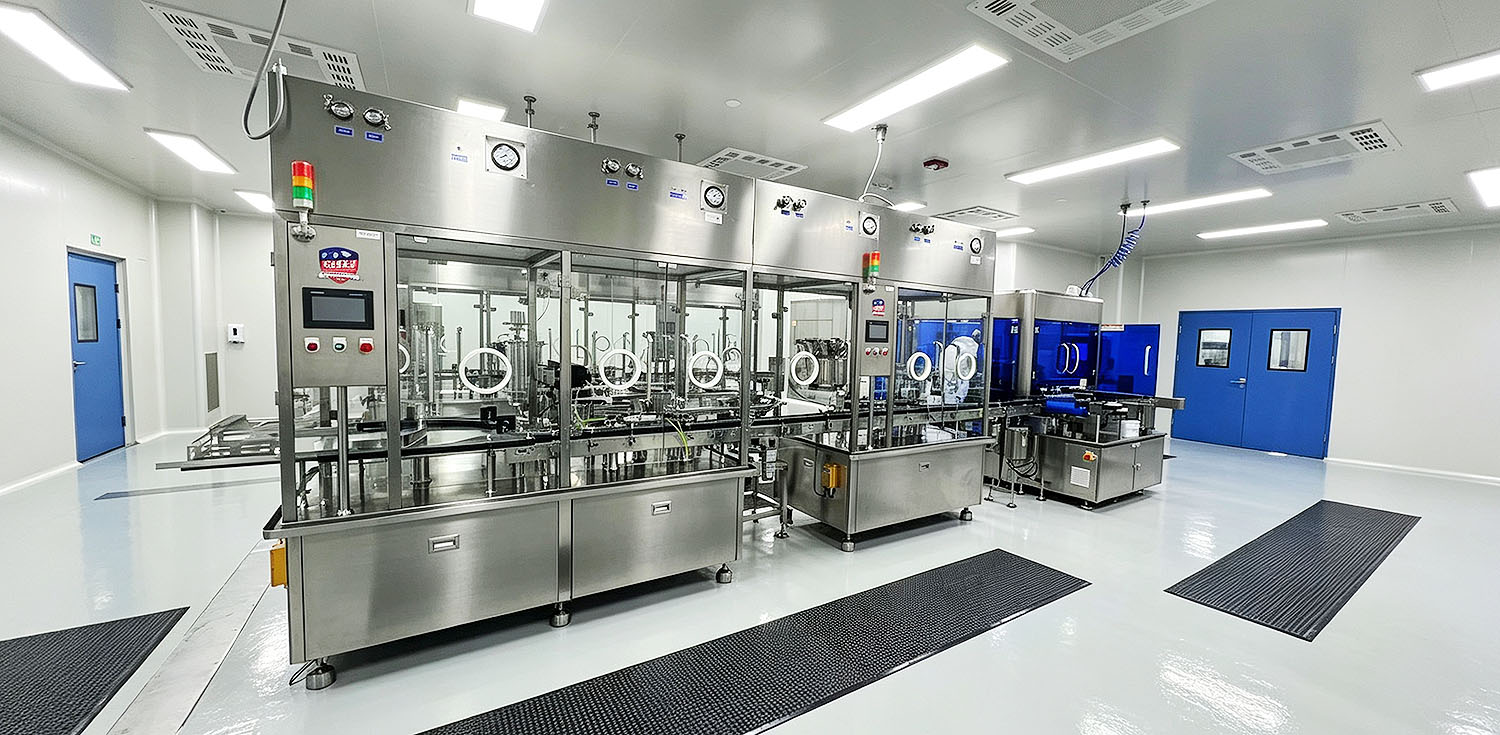
In September 2021, a pharmaceutical packaging manufacturer on the US East Coast finalized its equipment procurement plan. Within 60 days after machine installation, the daily output of vials increased by five times. The enterprise faced surging contract‑filling orders and a semi‑automatic production line that had hit its capacity ceiling. The company invested USD 40,000 in an automatic vial filling machine shipped from Shanghai. This investment directly addressed the production bottleneck.
This case study thoroughly analyzes the drivers behind the customer's upgrade, Mic Machinery's solution configuration, on‑site installation and implementation details, and most importantly, quantifiable production benefits. If you are evaluating a vial filling machine for your facility, this real‑world project case will help you set realistic expectations. The results demonstrate that targeted equipment investment delivers rapid returns.
Project Overview
|
Item |
Details |
|
Client Country |
United States |
|
Factory Location |
East Coast (New Jersey area) |
|
Year Established |
2012 |
|
Industry |
Pharmaceutical Packaging & Liquid Filling |
|
Product Category |
Sterile vials, diagnostic reagents, liquid pharmaceuticals |
|
Equipment Purchased |
|
|
Quantity |
1 unit |
|
Investment |
USD 40,000 |
|
Shipping |
Sea freight from Shanghai, China |
Customer Requirements & Pain Points
When the customer first contacted Mic Machinery in mid‑2021, four core problems emerged in their existing production model. These problems prevented the company from scaling operations effectively.
Surging Orders Against Insufficient Line Capacity
The customer secured two new contract‑filling agreements for diagnostic reagents. Their legacy semi‑automatic equipment could only fill approximately 800 vials per hour under optimal operating conditions. Even with overtime production, the factory still had to turn down new business opportunities. This lost revenue directly impacted company growth.
Poor Manual Filling Accuracy Leading to Severe Material Loss
The old unit controlled filling volumes via pneumatic timers and manual volume knobs. Filling accuracy fluctuated between ±2% and ±3%. This resulted in frequent over‑filling and under‑filling. For high‑value pharmaceutical liquids, even a 1% measurement deviation caused thousands of US dollars in batch rejection losses every quarter. Material waste became a significant cost driver.
High Labor Dependency Makes Operations Unsustainable
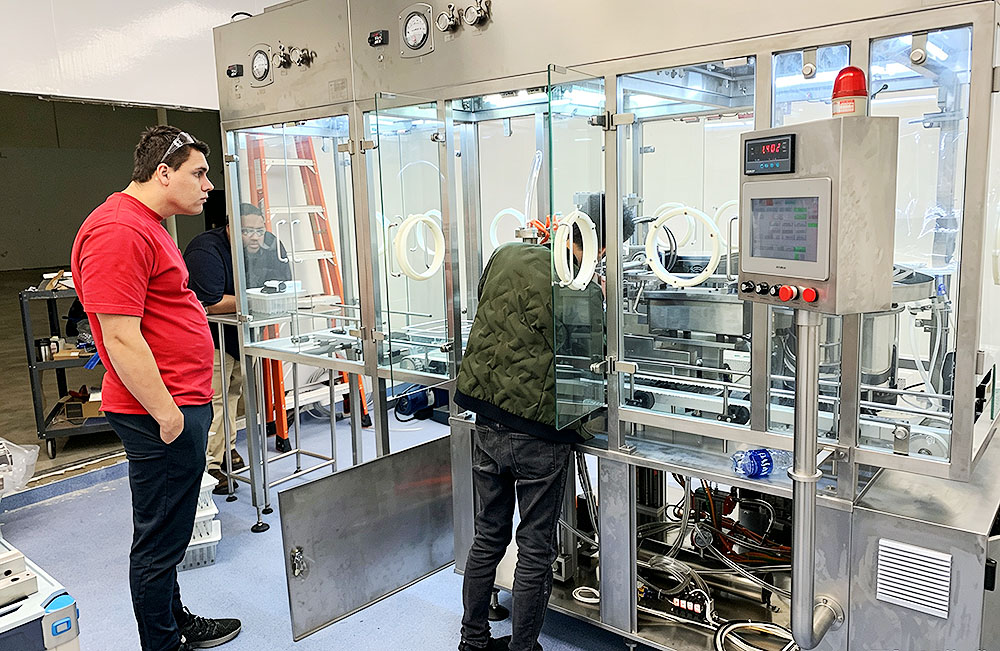
Each production shift required four operators to complete vial feeding, equipment monitoring and manual capping. High staff turnover in the local labor market meant frequent retraining of new hires every few months. This consumed substantial management time. The customer needed a machine that could be operated reliably by a single operator. Labor shortages had become a persistent challenge.
Lack of Automated Batch Records Required for Audits
The customer planned to expand into heavily‑regulated medical markets. Auditors demanded electronic batch records and traceable calibration logs. The company's original paper‑based recording system could not meet the data integrity requirements of cGMP compliance. This compliance gap threatened future market access.
These are exactly the pain points driving many pharmaceutical manufacturers to source reliable vial filling machines. The customer expected a solution with fast payback without seven‑figure capital expenditure. The upgrade needed to deliver measurable results quickly.
Customized Solution
Mic Machinery delivered a targeted upgrade centered on the core standalone machine. The company also provided a clear implementation roadmap for subsequent full‑line integration. This phased approach allowed the customer to manage capital expenditure effectively.
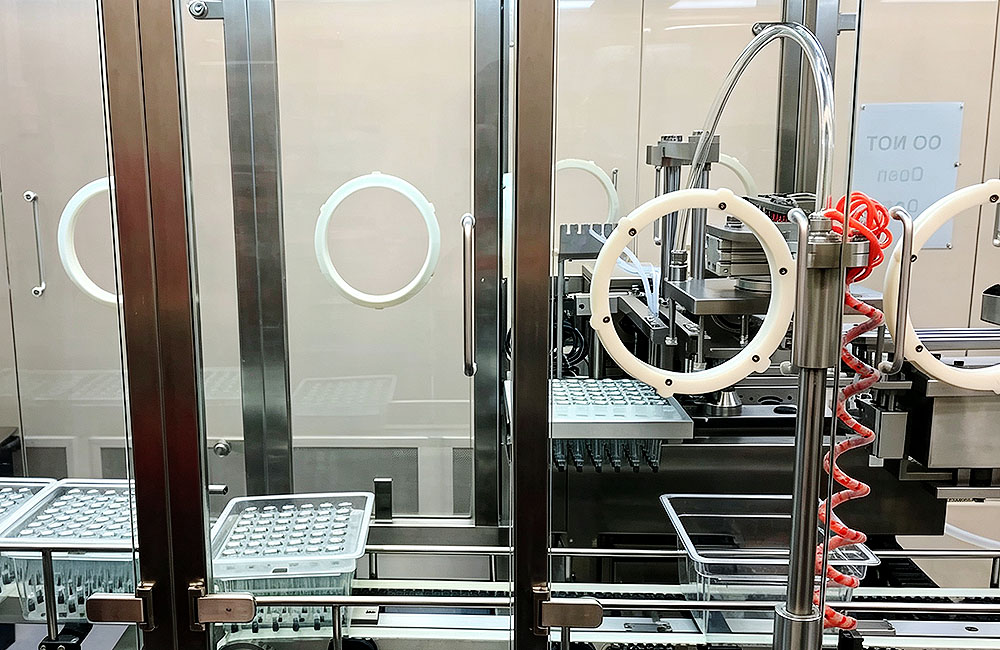
Core Equipment: Automatic Vial Filling Machine
- Servo‑driven peristaltic pump system with repeatable dosing accuracy of ±0.8%
- 316L stainless steel product‑contact parts with full material traceability
- Touch‑screen HMI supporting recipe storage for rapid product changeover
- Built‑in automatic in‑line check‑weighing for real‑time rejection of out‑of‑specification vials
- Compact machine footprint, deployable directly into the customer's existing cleanroom without structural building modifications
Recommended Full‑Line Configuration
For customers looking to replicate such production gains at scale, Mic Machinery recommends building a complete vial filling production line based on this same core equipment:
- Rotary Vial Washing Machine — Ultrasonic cleaning with final WFI (Water for Injection) rinse
- Hot‑Air Sterilization Tunnel — Depyrogenation with HEPA‑filtered cooling section
- Integrated Vial Filling & Stoppering Machine — Core host unit compatible with 2mL‑20mL vials
- Automatic Capping Machine — Aluminum cap crimping with torque feedback
- Wrap‑Around Labeling Machine — Servo‑driven unit equipped with vision inspection
- Conveyor System with Accumulation Tables — Buffer stations to prevent line starvation
For this specific project, the customer prioritized purchasing the filling machine to eliminate capacity bottlenecks. The company planned Phase‑Two additions of upstream washing modules and downstream capping modules. This incremental strategy reduced initial capital outlay.
On‑site Installation & Commissioning
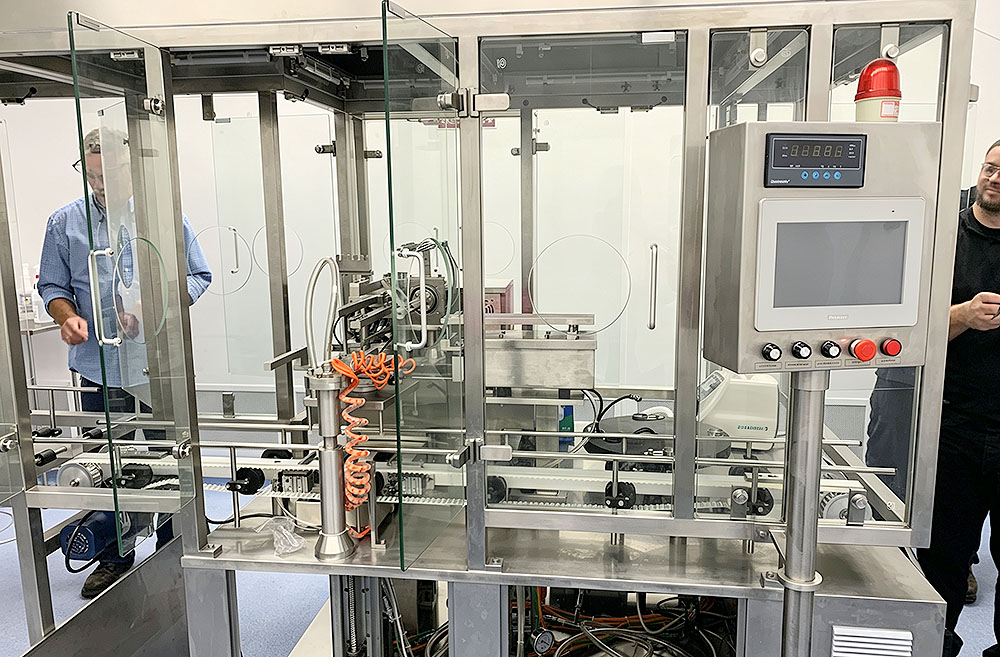
A commissioning engineer from Mic Machinery supervised five days of on‑site operations at the customer's East‑Coast facility. The installation proceeded according to a structured schedule.
Day 1 — Unloading and Positioning
The machine was uncrated from a 20‑foot container. The team visually inspected all components. They moved the equipment to its designated cleanroom station. Floor load‑bearing capacity, overhead clearance and utility connection points were verified. The site preparation met all requirements.
Day 2 — Mechanical Installation
The machine was levelled and secured with vibration‑dampening mounting feet. Connections were completed for compressed air, 220V/60Hz power supply and purified water feed. In‑feed and out‑feed conveyor sections were interfaced with the customer's existing accumulation tables. All mechanical interfaces functioned correctly.
Day 3 — Electrical Hook‑up and Dry‑Run Testing
PLC and HMI were powered on. Production recipes for 5 mL and 10 mL vials were imported. Servo pumps were calibrated. A full dry‑run validated sensor timing, rejection mechanisms and safety interlock devices. All systems performed according to specifications.
Day 4 — Wet Testing and Accuracy Calibration
Machine piping was primed with Water for Injection. Filling accuracy of all pump heads was verified at three different speed setpoints using calibrated graduated cylinders. The in‑line check‑weigher was calibrated with certified test weights. The defective‑vial rejection mechanism was validated. Accuracy measurements confirmed system performance.
Day 5 — Operator Training and Final Acceptance
Hands‑on training was delivered to production supervisors, shift operators and maintenance technicians. The training covered recipe access, changeover procedures, cleaning workflows, fault troubleshooting and preventive maintenance. A complete set of IQ/OQ validation documentation was handed over. After two hours of continuous operation at target speed, the customer signed the final acceptance document.
Production Performance Results
Upgrades delivered remarkable, fully quantifiable improvements. The table below compares performance between the legacy semi‑automatic line and Mic Machinery's new vial filling machine:
|
Performance Metric |
Before Upgrade (Old Line) |
After Upgrade (New Vial Filling Machine) |
|
Production Capacity |
Approx. 800 vials/hour |
Approx. 4000 vials/hour |
|
Filling Accuracy |
±2% ~ ±3% |
±0.8% |
|
Product Rejection Rate |
5%‑7% |
<1% |
|
Operators per Shift |
4 personnel |
1 personnel |
|
Product Changeover Time |
2.5‑3 hours |
Approx. 40 minutes |
|
Batch Documentation |
Manual paper logs |
Electronic batch records with timestamped calibration data |
Within the first 90 days of operation, the customer reported total output from the new machine exceeded the entire quarterly output of the old production line. Reduced waste losses and lower overtime labour hours enabled the machine to recoup its total investment within an estimated 14 months. The financial returns validated the equipment decision.
Customer Feedback
The most credible evaluation of a filling machine comes from front‑line daily operators. After six months of continuous machine operation, three key management personnel provided the following comments:
Production Supervisor
"Our old equipment had completely hit a capacity ceiling, and this vial filling machine completely turned things around. The filling station now requires only one operator instead of four. Changeover between 5 mL diagnostic vials and 10 mL reagent vials takes less than one hour. We no longer have to turn down orders and can confidently take on new business contracts."
Quality Assurance Manager
"From a compliance perspective, automated batch records and in‑line check‑weighing are exactly the features we urgently needed. Our latest third‑party audit went very smoothly. Timestamped calibration data is retrievable on demand for full traceability. The hygienic 316L stainless‑steel construction has also greatly simplified cleaning‑validation work."
Plant Manager
"The machine's return‑on‑investment has exceeded expectations. We did not have the budget for a full turn‑key production line at the time, so prioritizing upgrades to the core filling unit was the correct decision. Mic Machinery's engineer was professional, delivered documentation was comprehensive, and remote technical support is highly responsive. We are now budgeting to add washing and capping modules to complete the full production line."
Request Quotation for Your Vial Filling Line
Pharmaceutical facilities differ in throughput targets, vial formats and regulatory‑compliance requirements. Mic Machinery does not sell one‑size‑fits‑all standard equipment. Filling‑machine configurations are custom‑tailored to match your real‑world production objectives. The company works closely with each client to develop appropriate solutions.
Equipment Selection Based on Daily Output
|
Daily Production Target |
Recommended Vial Filling Solution |
|
3,000‑10,000 vials/day |
Benchtop / semi‑automatic vial filling machine with manual feeding |
|
10,000‑40,000 vials/day |
Automatic vial filling machine integrated with stoppering and in‑line check‑weighing |
|
40,000‑120,000 vials/day |
High‑speed aseptic vial filling line with multi‑pump‑head setup, tunnel sterilization and isolator configuration |
Why Manufacturers Choose Mic Machinery Vial Filling Machines
- Precision Dosing: Servo‑pump systems guarantee repeatable metering accuracy and cut cost losses caused by over‑filling high‑value pharmaceutical liquids.
- Flexible Multi‑Format Compatibility: Quick‑change parts allow switching between 2 mL, 5 mL, 10 mL and 20 mL vials without extensive mechanical rework.
- Regulatory‑Ready Design: 316L stainless‑steel construction, complete material certificates, and software compliant with 21 CFR Part 11 electronic‑record regulations.
- Proven Overseas Project Track‑Record: Installations deployed across the United States, Europe, the Middle East and South America, with electrical standards and documentation adapted for local regulatory requirements.
- Comprehensive After‑Sales Support: Remote fault diagnostics, spare‑parts supply and on‑site commissioning to keep production lines running at full capacity.
If you are planning capacity expansion or replacing ageing equipment, please contact Mic Machinery for a detailed quotation and facility‑specific line‑layout proposal. The company's engineering team can assess your requirements and recommend appropriate equipment configurations.
FAQ
1: What is the typical lead time for a vial filling machine?
Standard automatic vial filling machines can be shipped within 5‑7 weeks after order confirmation and final technical‑specification approval. For a complete turn‑key line including washing, sterilization and labelling modules, lead time generally ranges from 10‑12 weeks. The timeline depends on configuration complexity.
2: Can your vial filling machine handle multiple vial sizes?
Yes. The machine is equipped with quick‑change format parts. Switching between standard sizes including 2 mL, 5 mL, 10 mL and 20 mL normally takes 30‑50 minutes. All format sets are precision‑machined with serial numbers for traceable management. This flexibility supports diverse production requirements.
3: What filling accuracy can you guarantee?
For standard liquid pharmaceuticals, the servo‑peristaltic pump system achieves filling accuracy of ±0.8%‑±1%. Actual accuracy is affected by liquid viscosity and fill volume. Every machine undergoes factory testing using Water for Injection prior to shipment. On‑site commissioning services include validation runs using the customer's actual product materials.
4: Do you provide on‑site installation and training in the United States?
Yes. Mic Machinery dispatches experienced commissioning engineers to customer facilities in the United States and worldwide. Standard‑scope services include on‑site mechanical guidance, electrical commissioning, software configuration, operator training and IQ/OQ documentation support. Remote technical support is also available for fast resolution of routine operational issues.
5: What spare parts should be kept in warehouse inventory?
We recommend stocking a one‑year spare‑parts kit, including peristaltic pump tubing, O‑rings, seals, format‑change components and critical sensors. After equipment purchase, we will supply a detailed spare‑parts list with suggested stocking quantities and replacement intervals according to your plant's operating schedule. Proper inventory management prevents unplanned downtime.
6: Does this equipment satisfy FDA and cGMP requirements?
Yes. All product‑contact components are constructed from 316L stainless steel with surface‑roughness certificates. Full material‑traceability documentation, welding records, calibration certificates and software‑validation documents are available. The control system supports 21 CFR Part 11 electronic‑record and electronic‑signature regulations. This compliance ensures regulatory acceptance.