
Why Vial Filling Machines Matter For Pharmaceutical Production
Why Vial Filling Machines Matter For Pharmaceutical Production
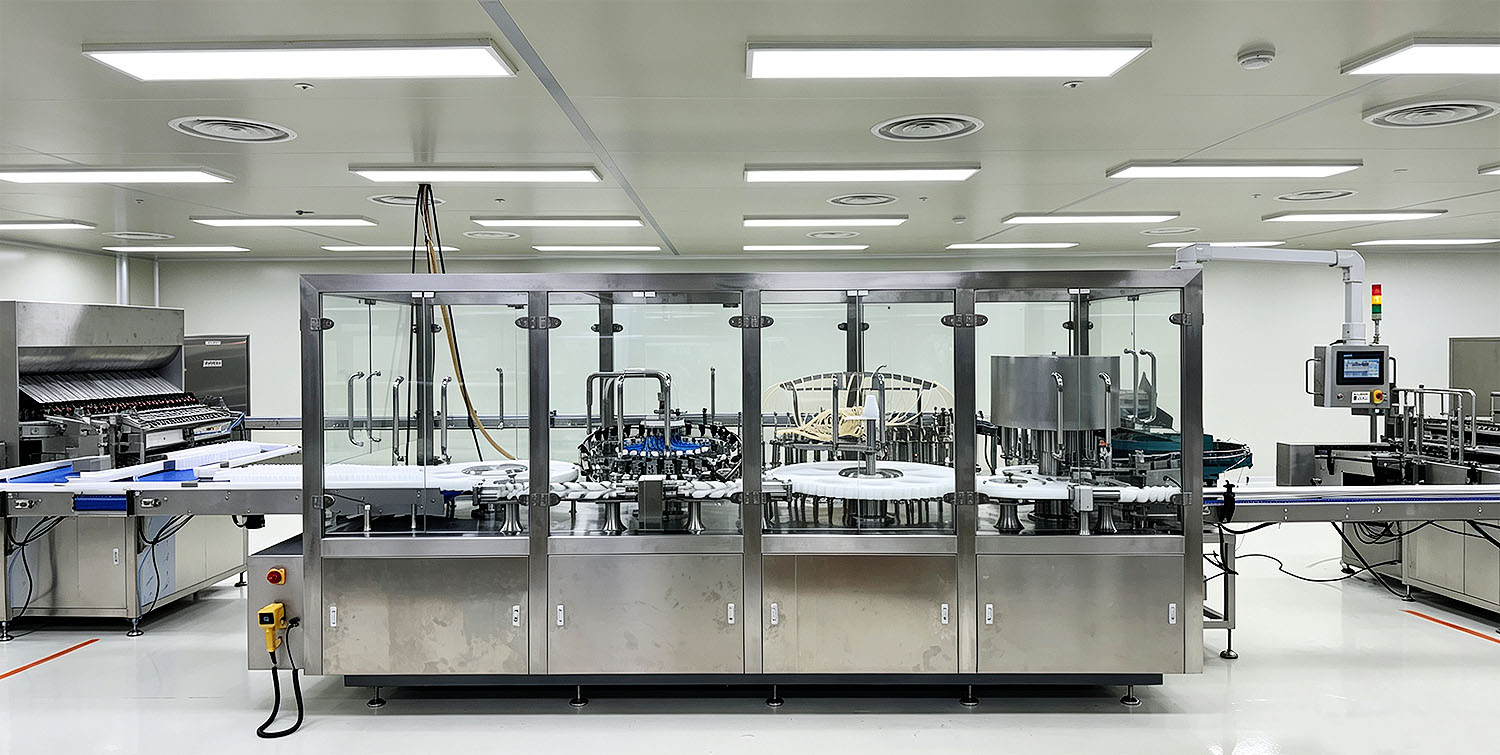
If you’ve ever walked through a busy pharma plant, you know time is tight. Mixing, filling, sealing—every step has to work without delays. In the middle of all that sits one piece of gear that doesn’t get much spotlight, but it’s critical: the vial filling machine. It makes sure each dose is exact and each vial is sealed right for the patient.
So why care so much about this machine? In pharma, a tiny error can mean a recall or worse—patient harm. So reliable filling isn’t a luxury; it’s a must. Whether you’re starting a new vaccine line or expanding an injectable drug facility, knowing your vial filling machine inside out helps you make better choices and save money.
What Is a Vial Filling Machine?
A vial filling machine is a piece of pharma equipment that puts liquids, powders, or suspensions into small glass or plastic vials very precisely. It does more than just fill. It feeds empty vials, measures each dose, and puts on stoppers or caps. All of this happens in a clean, enclosed space so people don’t touch the product, contamination stays low, and your line keeps running.
Today’s machines aren’t just dispensers. They have servo pumps, PLC controllers, and touchscreens. Operators can change fill volumes, speeds, and container sizes in seconds. Whether you have a small lab or a big factory, the right machine cuts rejects, reduces waste, and builds a solid reputation for quality.
Types of Vial Filling Machines
You’ll find several types on the market, and your choice depends on batch size, budget, and how sterile you need to be. Small labs usually want flexibility for R&D. Big vaccine makers need high speed and strict sterility. Knowing these differences before you buy saves you from costly changes later.
• Manual and semi‑automatic fillers – good for small volumes, trials, and labs
• Automatic rotary machines – built for fast, continuous production
• Aseptic isolator lines – made for delicate biologics and cell therapies
• Combo ampoule‑vial units – handle both container types on one machine
Each type has its strengths. Manual units are cheap and easy to change over when you test new products. Automatics crank out hundreds of vials a minute. Aseptic systems protect fragile biologics. If you run multiple container formats, a combo machine saves floor space and simplifies changeovers without losing quality.
How Does a Vial Filling Machine Work?
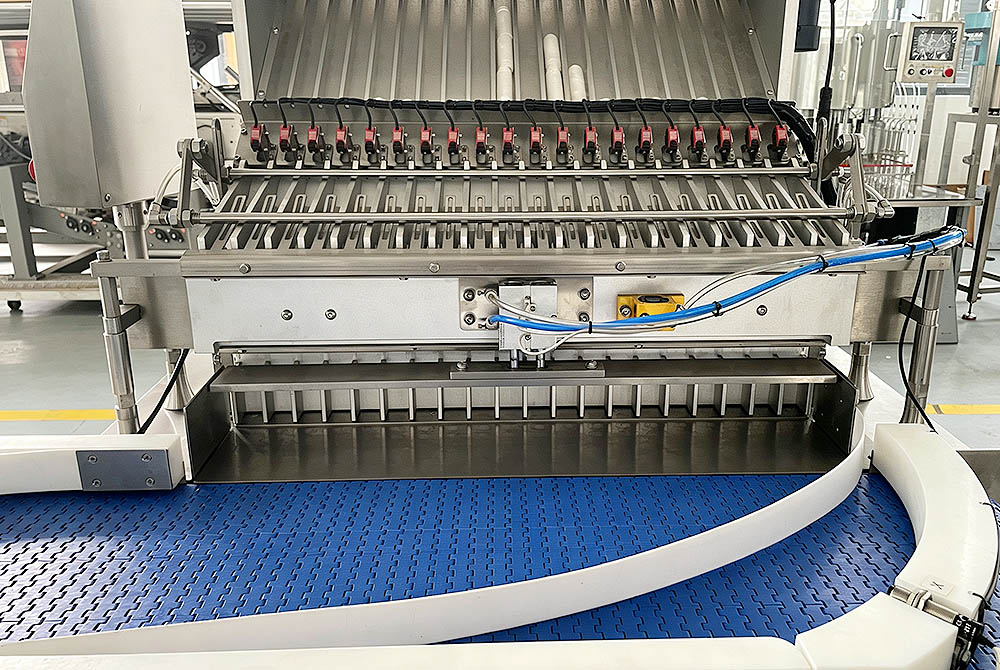
Inside the stainless steel case, the machine runs a tight choreography of motors and electronics. Empty vials come in on a conveyor or star wheel, line up under the nozzles, and get a precise dose from a sealed tank. A PLC controls everything—conveyor speed, fill amount, and error checks—all in real time.
• Vial infeed – loads and aligns containers automatically
• Dosing – peristaltic pumps or servo syringes give exact volumes every time
• Anti‑drip nozzles – stop spills and foam
• Stoppering and capping – seal the vial right after filling
• Ejection – moves finished vials to inspection
Since the machine handles pump speed, nozzle height, and all other variables, human error drops to nearly zero. If a vial is underfilled, the system spots it and kicks it out. That means cleaner batch records, fewer rejects, and easier audits. Your QA team will appreciate that.
Key Benefits of Using a Vial Filling Machine
Switching from manual to automated filling is a big move, but the payoff is real. Pharma margins are thin, regulators are tough, and safety is everything. A modern machine tackles all three at once—speed, accuracy, and full documentation in one package.
• Great dosing accuracy – cuts waste and reduces dose variation
• Contamination control – closed systems and laminar flow keep things sterile
• Higher output – meet demand without extra shifts
• Lower labor costs – fewer repetitive tasks and fewer handling errors
• Built‑in audit trails – make FDA and GMP inspections simpler
Over a year, these benefits add up. Less waste saves raw materials, faster output gives more sellable vials per shift, and clean records mean less stress before inspections. Add up the savings and extra revenue, and a good machine often pays for itself in the first year.
Where Are Vial Filling Machines Used?
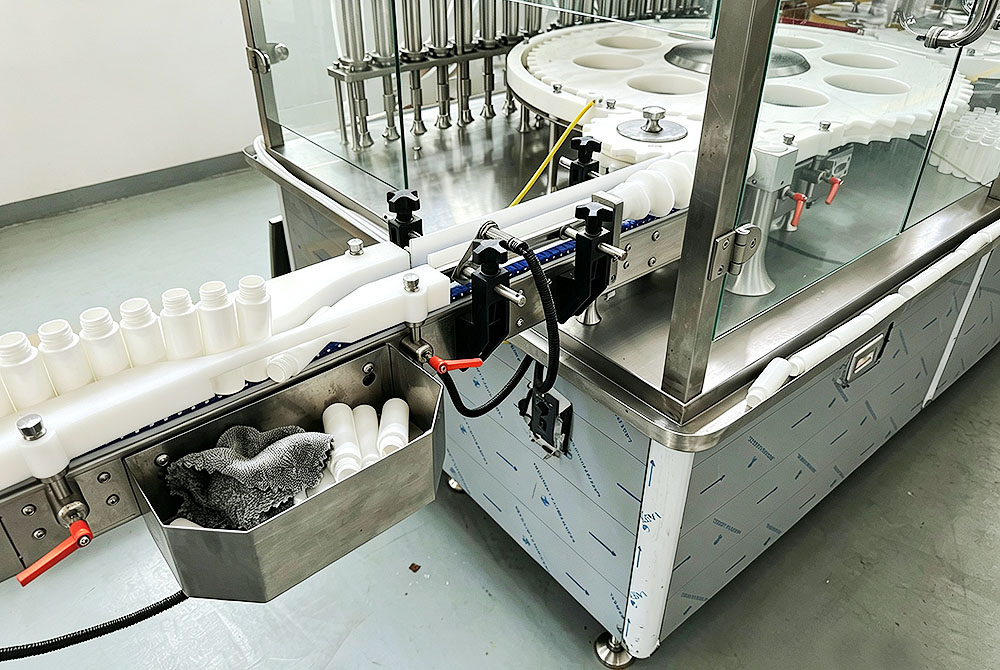
You’ll see these machines in more than just traditional drug factories. Any field that needs precise, sterile dosing in small containers can use them. From global vaccine campaigns to specialized diagnostic labs, the uses are wide and growing as biotech and personalized medicine expand.
• Vaccines – microliter accuracy for each dose
• Injectables – antibiotics, anesthetics, hormones, and IV solutions
• Biologics and cell therapies – gentle handling for proteins and living cells
• Diagnostic reagents – small volumes for test kits
• Clinical trial materials – flexible batch sizes for R&D
If your product is liquid, valuable, and meant for people, there’s likely a vial filling machine built for it. The trick is matching the pump type, speed, and sterility level to your specific formulation. Get that right from the start, and your production schedule gets more predictable, profitable, and less stressful.
How to Choose the Right Vial Filling Machine
Buying the wrong machine is an expensive mistake that can haunt you. I’ve seen plants buy oversized lines that sit idle, and others buy small units that can’t keep up during peaks. A bit of honest planning upfront avoids both problems, protects your budget, and makes sure you get a machine that actually fixes your bottlenecks.
• Figure out your output – project current and future volumes per hour
• Match pump to product – think about viscosity and shear sensitivity
• Check container compatibility – vial size, neck, and closure type
• Decide on sterility – isolator, RABS, or cleanroom?
• Ask for modular design – so you can add heads or inspection later
Don’t get distracted by glossy brochures. A machine with ten heads looks great, but if your product is a fragile protein that needs gentle peristaltic dosing, speed isn’t the main thing—precision is. Focus on fit first, then plan for growth. That way you won’t have to buy twice.
Maintenance Tips for Your Vial Filling Machine
• Daily cleaning – flush product‑contact parts with approved solutions after each run
• Weekly calibration – check fill volumes with certified scales
• Change seals on schedule – replace gaskets and O‑rings before they leak
• Lubricate properly – follow the manual for chains, bearings, and cams
• Update software – keep PLC and HMI current for security and features
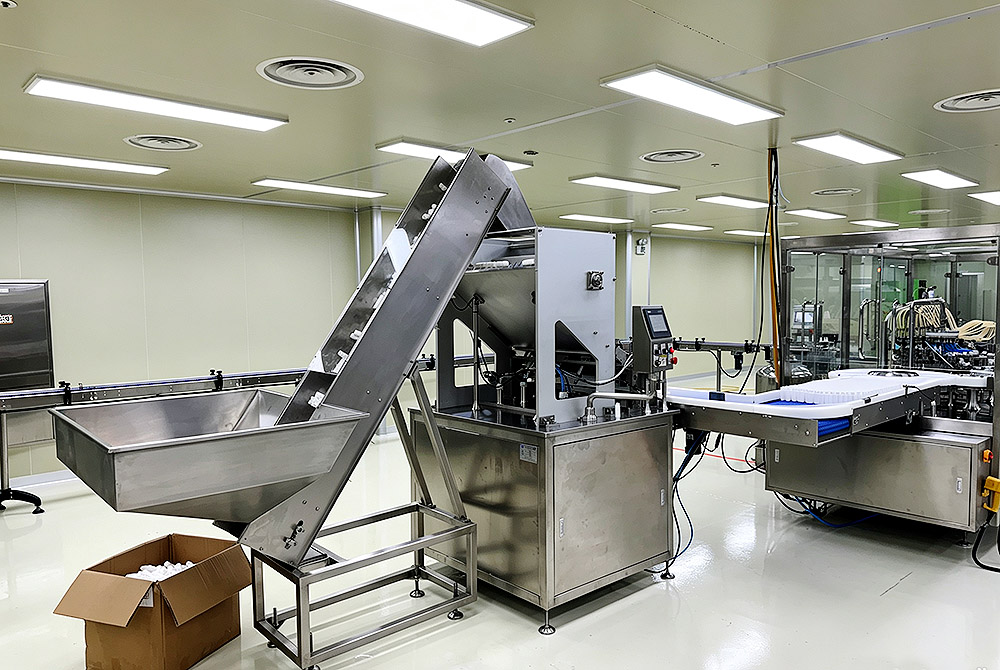
Make a simple preventive maintenance plan and stick to it, even when you’re busy. Ten minutes of good cleaning each day is better than a full day of downtime and rework. When your team sees maintenance as part of the routine, not a chore, the machine lasts longer and quality stays steady month after month.
Finding a Reliable Vial Filling Machine Manufacturer
Your equipment is only as good as the company behind it. A low price means nothing if spare parts take months to arrive or the manual is useless. You need a vial filling machine manufacturer that cares about your long‑term success and responds fast when you need help.
• Look for industry experience – they should know pharma regulations well
• Need customization – avoid one‑size‑fits‑all that forces trade‑offs
• Check certifications – ISO, GMP, CE are non‑negotiable
• After‑sales support – training, parts, remote diagnostics all matter
• Ask for references – get case studies from similar facilities
At Mic Machinery, we’ve spent years refining our designs, testing components under real production conditions, and supporting clients across Asia, Europe, and the Americas. We don’t just ship and leave. We partner with you so your line runs smoothly from day one and keeps delivering consistent, compliant results for years.
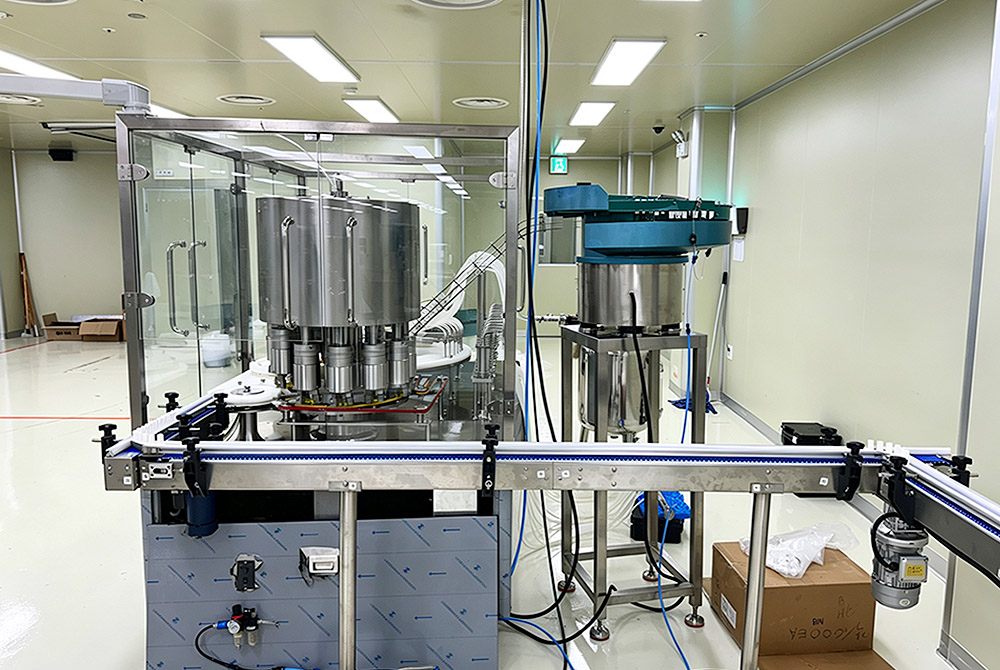
A vial filling machine isn’t just another piece of hardware. It guards dose accuracy, protects sterility, and drives profitability and compliance. Knowing how it works, how to maintain it, and how to pick the right partner puts you in control of your success.
If you’re ready to explore a system built for your product and goals, visit our dedicated page for specs, layout drawings, and real‑world examples. The right technology is out there—you just need a trusted guide to find it and implement it well.
FAQ
1. What is the typical output speed of a vial filling machine?
Semi‑auto models do about 10 to 30 vials per minute. Full‑auto high‑speed lines can do 200 to 400 per minute, depending on fill volume and vial size.
2. Can one machine handle both liquids and powders?
Yes. Many modern machines have interchangeable dosing modules—peristaltic pumps for liquids, auger fillers for powders—so one platform can do multiple product types.
3. How do I maintain sterility during the filling process?
Use an aseptic line with laminar airflow, isolator barriers, or RABS. Combine that with validated cleaning protocols and continuous environmental monitoring to keep contamination risk near zero.
4. Should I choose a peristaltic pump or a piston pump?
Peristaltic pumps are gentle and good for shear‑sensitive biologics. Piston pumps give higher accuracy for viscous liquids. The best choice depends on your product’s physical properties.
5. How long does installation and commissioning usually take?
A tabletop semi‑auto unit can be ready in one day. A fully automated aseptic line typically takes two to four weeks for mechanical install, IQ/OQ validation, and operator training before you start commercial production.